


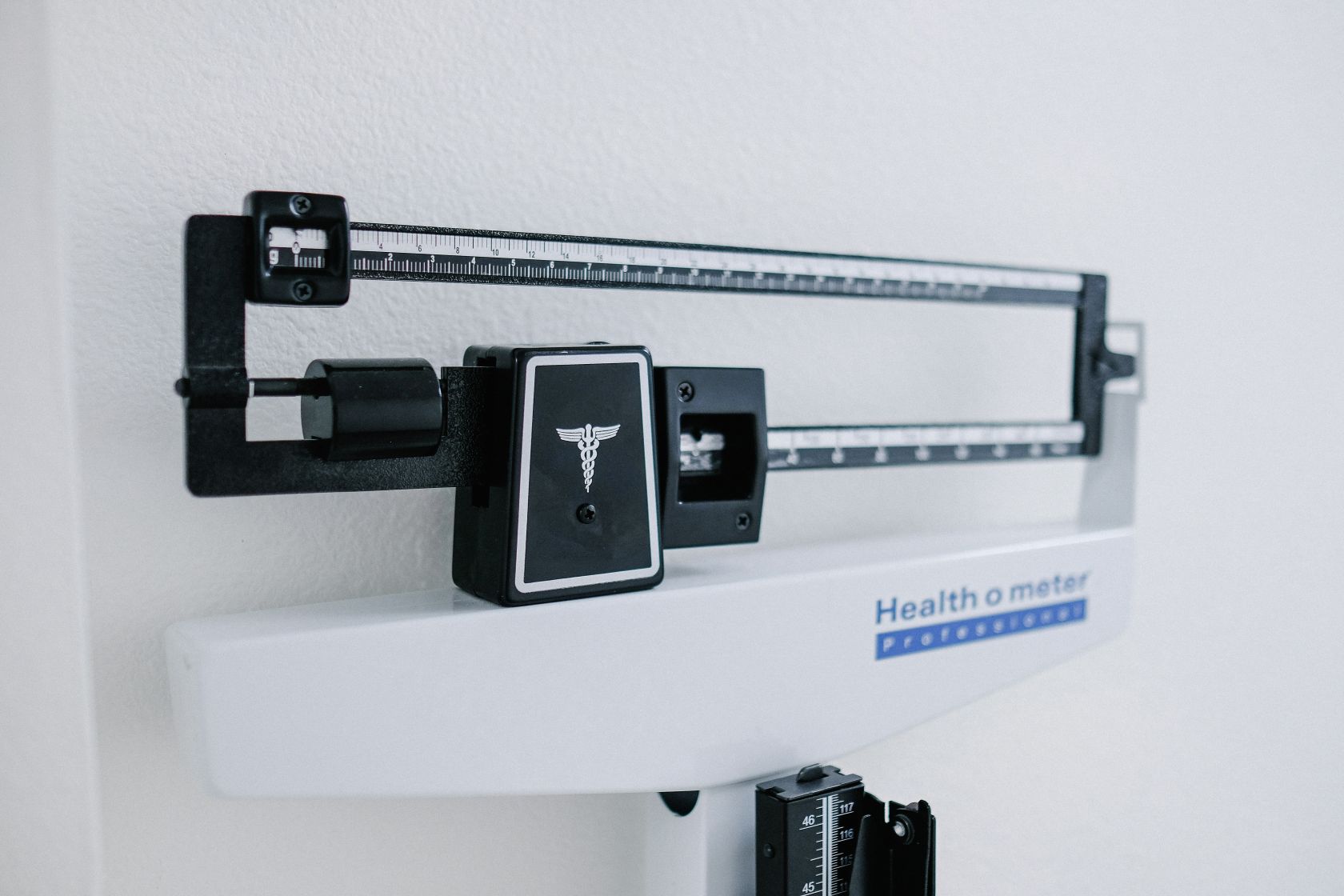
In a statement, the Médio Tejo ULS, based in Torres Novas, Santarém district, states that the Multidisciplinary Obesity Team (EMO) involves professionals from different clinical areas and levels of care, ranging from hospital care to primary healthcare.
"Obesity is not about willpower or only individual choices. It is a chronic, complex disease, often marked by silent suffering, stigma, and delays in care," said coordinator Cristina Gonçalves in the press release.
The EMO brings together specialists—general and family physicians managing primary care, internal medicine physicians overseeing complex diagnoses, general surgeons addressing surgical needs, nutritionists providing dietary guidance, psychologists supporting mental health, and nurses coordinating patient care—enabling a more comprehensive, person-centred approach. The coordinator stresses the importance of integrated prevention, treatment, and follow-up.
"This team treats each person with knowledge, respect, and an integrated clinical response," added the coordinator, who leads the Diabetes and Obesity Service at the Médio Tejo Local Health Unit, Tomar hospital.
According to the ULS, the wide range of areas involved facilitates coordination between specialities and between primary and hospital care, promoting more effective and personalised responses.
The creation of the team is part of the implementation of the National Programme for the Prevention and Management of Obesity and the Integrated Care Pathway for People with Obesity within the National Health Service, against a backdrop of the condition's high prevalence and its impact on quality of life.
“The creation of this team represents an important step in strengthening the National Health Service’s response to a disease with a significant impact on public health,” noted Casimiro Ramos, chairman of the board of directors of the Médio Tejo Local Health Unit.
He also stressed that “multidisciplinary work and coordination between different levels of care are fundamental to ensuring more effective, integrated responses that are closer to the people”.
According to ULS Médio Tejo, the team has been structured to ensure an integrated, continuous and patient-centred approach, including appropriate referral for non-surgical or surgical treatment, whenever clinically indicated.
The Médio Tejo Local Health Unit manages three hospitals – Abrantes, Tomar and Torres Novas – and 35 primary healthcare centres, providing direct care to around 170,000 patients in the municipalities of Abrantes, Alcanena, Constância, Entroncamento, Ferreira do Zêzere, Mação, Sardoal, Tomar, Torres Novas, Vila Nova da Barquinha and Vila de Rei, in the districts of Santarém and Castelo Branco.
 Add as a preferred source on Google





 Portugal Handbook
 English
 Nederlands
 Deutsch
 Français
 Español
 Italiano
 Svenska
 Pусский
 中文
中文 Türkçe
 Português
 Czech
Czech Hungarian
 Polski
 عربي
عربي Suomi
Suomi עִברִית
 Português (Brasil)
Dealing with obesity after the event is a sure way to deplete the already limited resources of the nations health service. Portugal has the natural resources and the culinary experience, amongst the older generation at least, to have one of the healthiest diets in Europe. When you have to file past 20 metres of confectionary in the single queue at Continente, and when the nation is still in the grip of low-fat nonsense, obesity will be quite literally a growing problem. Education and legislation will bring about better outcomes than attempting a cure for a problem that should not exist
By Helen Higgs from Other on 25 Mar 2026, 15:11