


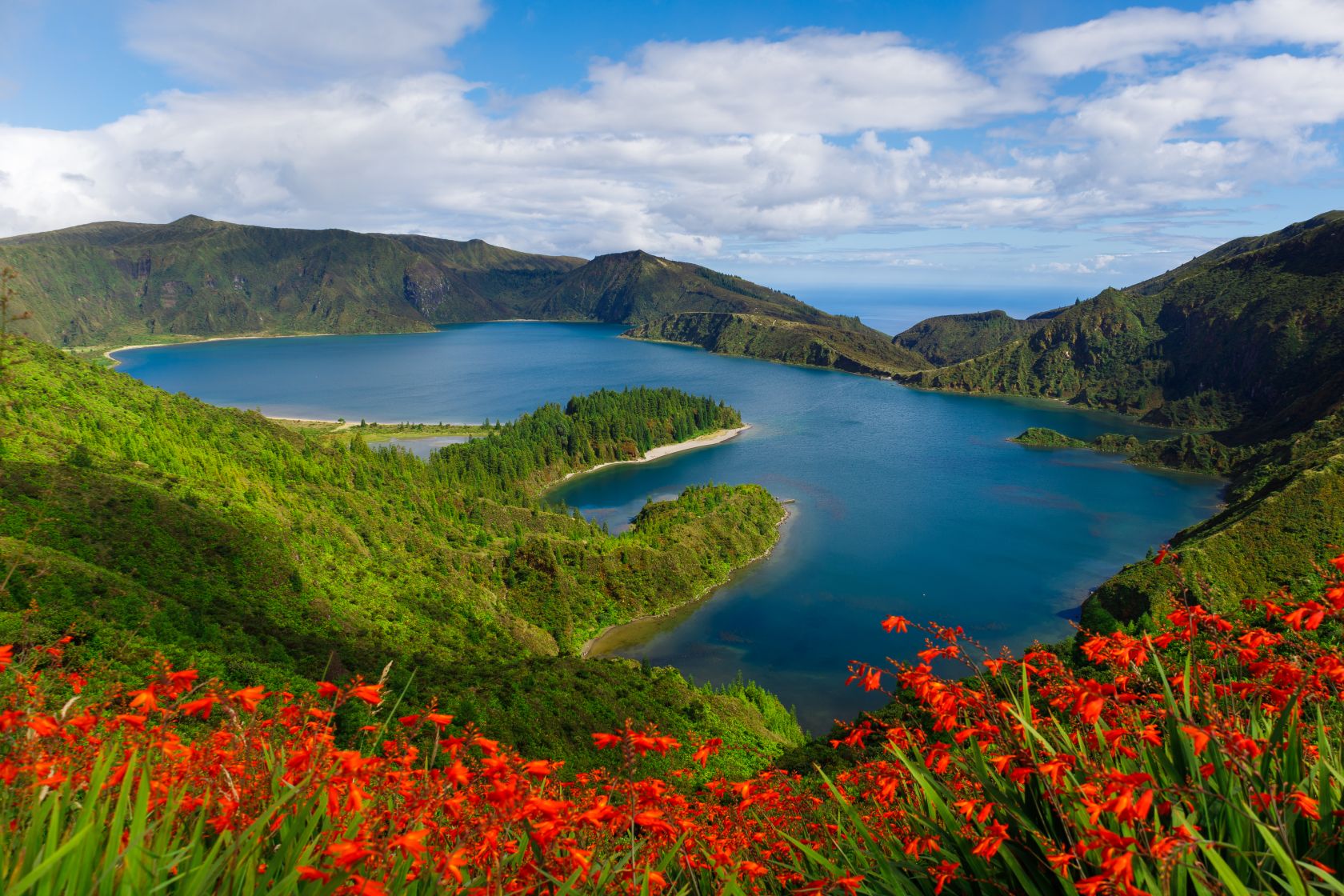
The Azores, often referred to as the Hawaii of the Atlantic, is located 900 kilometres off the west coast of Portugal. This archipelago is made up of nine idyllic, volcanic islands, with the Capital of the Azores, Ponta Delgada, located on São Miguel Island.
Ponta Delgada serves as the political, economic and cultural hub, but the autonomous region offers eight other breathtaking islands to explore.
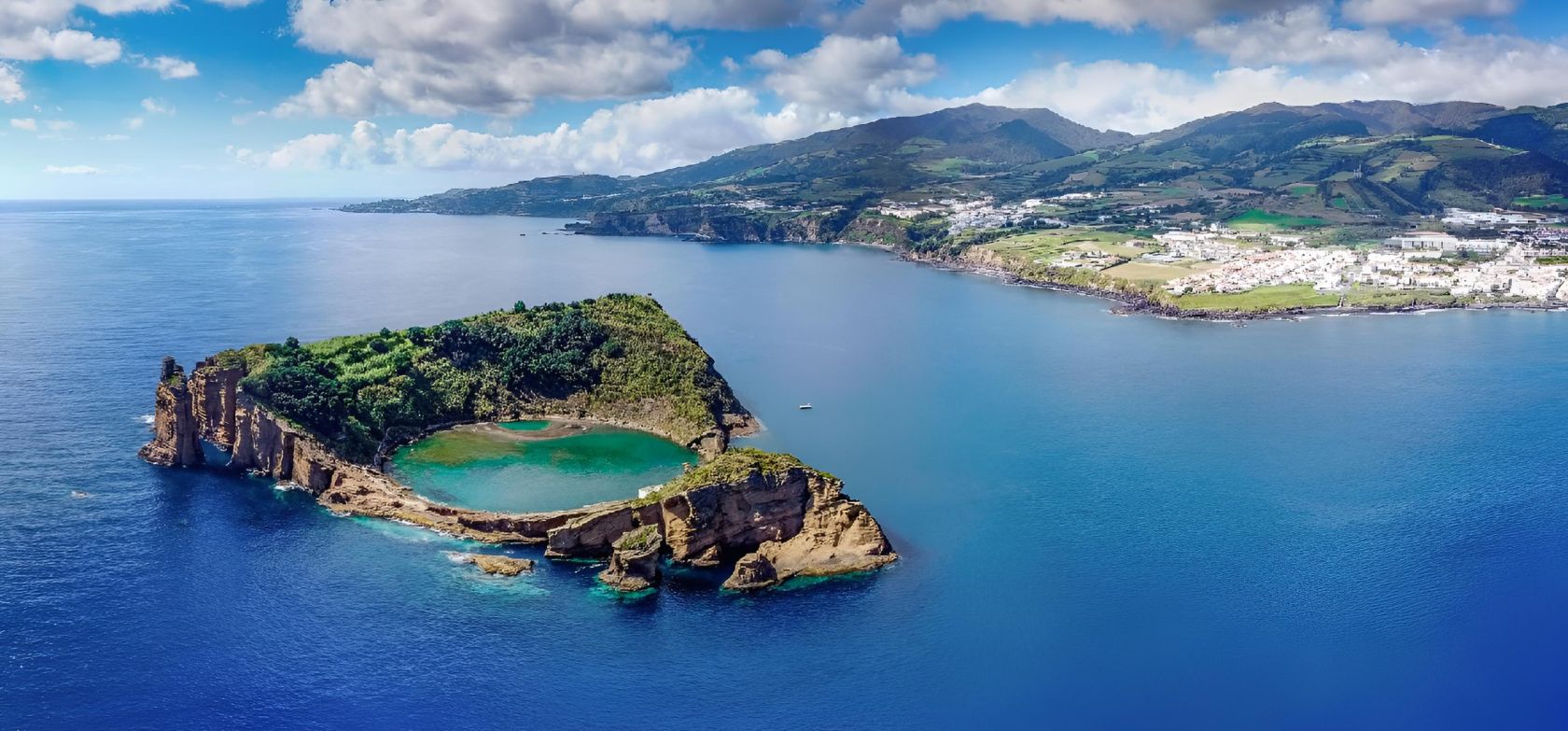
While all nine islands share many similarities, each has its own distinct character, with astonishing landscapes, panoramic cliffs, blue lagoons, coastal villages, stunning waterfalls and volcanic craters.
For anyone planning their first trip to the Azores, choosing which island(s) to visit can be complex. With The Portugal News’ guide to each island, you will be one step closer to booking your tickets to Europe’s “best-kept secret”.
1. São Miguel
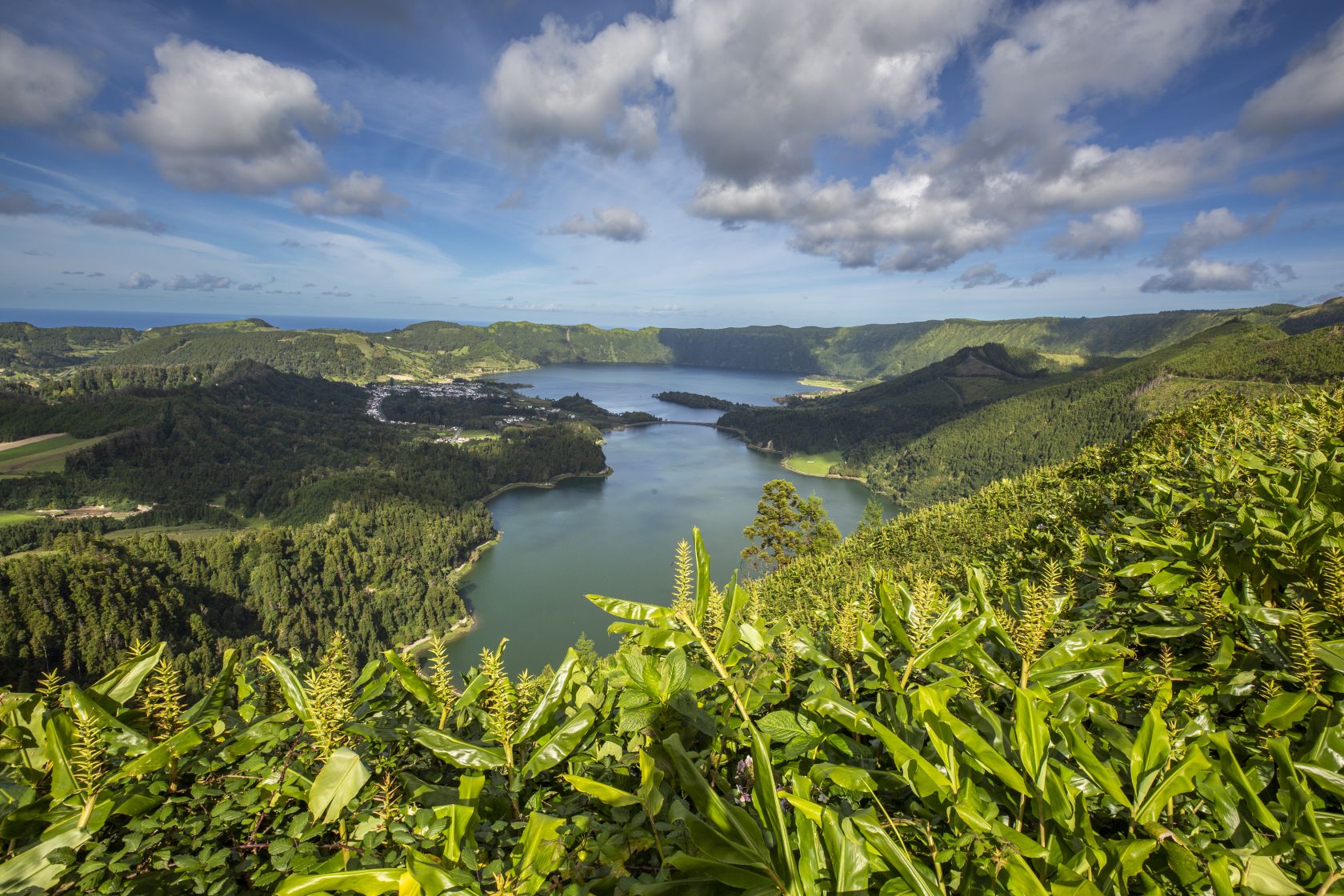
Considered the beating heart of the Azores, São Miguel is the largest, most visited island, offering the most direct international flights, an excellent culinary scene and a vibrant cultural life. Said to have the widest range of activities, the island offers easy access to its main attractions, such as the twin crater lakes of Sete Cidades, the geothermal valley of Furnas, the pristine Lagoa do Fogo, and the natural lava pools of the west coast.
Originally a small fishing village, Ponta Delgada was granted capital status of São Miguel in 1546 after an earthquake destroyed the island's first capital, Vila Franca do Campo. Ponta Delgada then became the official, administrative capital of the Azores in 1976 under Portugal's revised constitution. The city features a lively atmosphere, botanical gardens, black basalt architecture, and its unique greenhouse-grown pineapples.
Lonely Planet describes São Miguel as the “Best Island for things to do”, highlighting its breathtaking landscapes, cosmopolitan and artsy cities, and calling it the perfect “gateway island” for first-timers to ease into the Azorean lifestyle. According to Azores Getaways, São Miguel is best for first-time visitors, families, travellers seeking maximum variety on a single island, whale watching, hiking and hot springs.
2. Santa Maria
As the southernmost and oldest island in the Azores, Santa Maria is the closest thing to a traditional beach destination in the archipelago. Known as the only island with long golden sand beaches, it receives significantly more sunshine than any of the other islands and is characterised by reddish volcanic cliffs, terraced vineyards and a slower, more southern pace of life.
Praia Formosa is the island’s most famous beach, while Praia de São Lourenço is renowned for its dramatic scenery. Small enough to explore in just two to three days, Santa Maria also comes alive during the summer months with the three-day Santa Maria Blues festival in Anjos and the Maré de Agosto festival, Portugal’s oldest music festival, held at Praia Formosa.
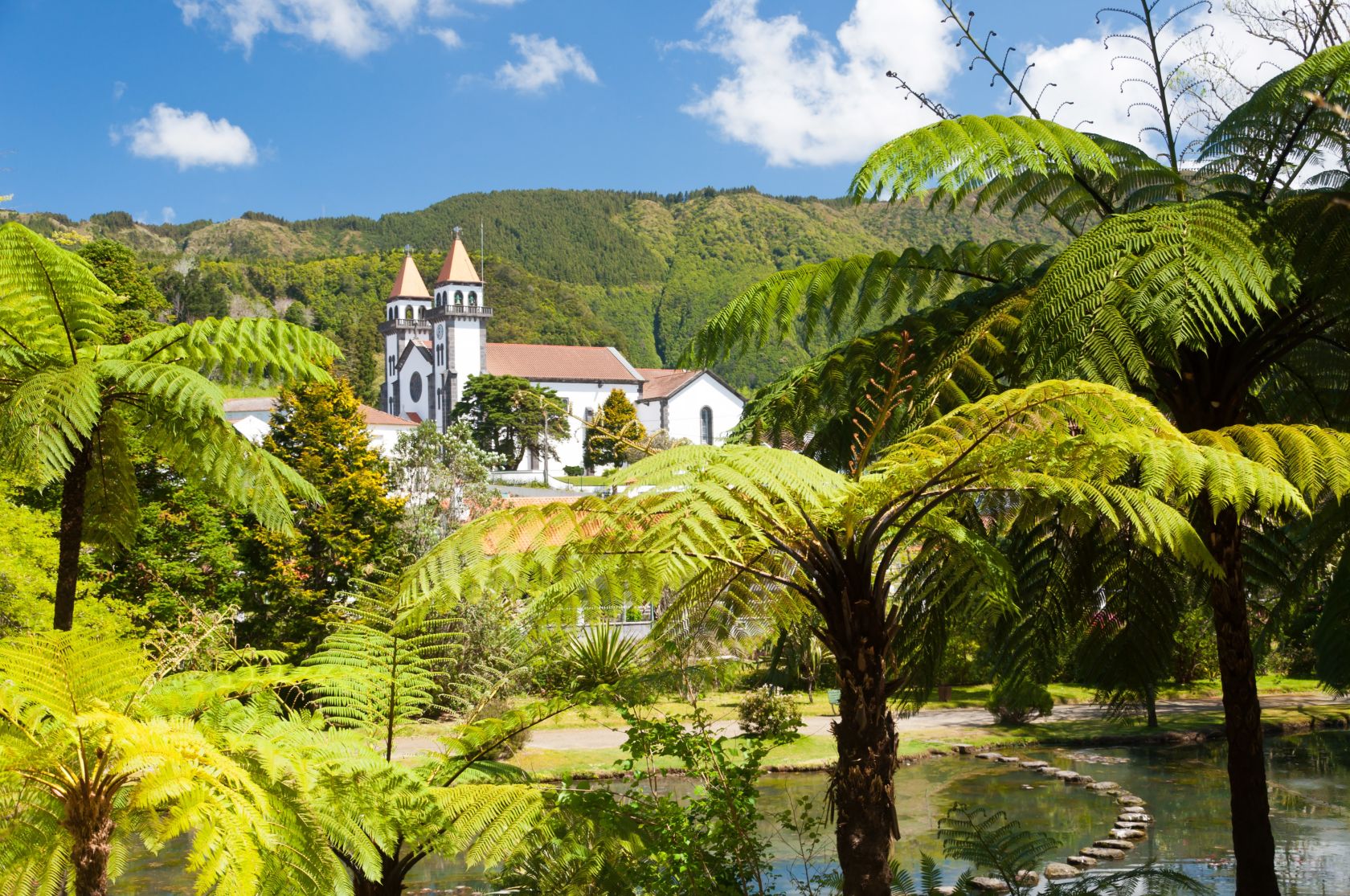
Lonely Planet describes Santa Maria as the “Best Island for summer festivals” and recommends it as an easy day trip from neighbouring São Miguel, just a 30-minute flight away. According to Azores Getaways, Santa Maria is best for beach lovers, sun seekers, couples, divers and travellers looking to combine sandy beaches with volcanic scenery.
3. Terceira
Terceira is the second-most-visited island and one of the Azores’ most rewarding destinations, combining centuries of history with a lively cultural scene. Its capital, Angra do Heroísmo, is Portugal’s first UNESCO World Heritage Site, featuring 16th-century architecture, baroque churches and cobblestone streets that reflect the island’s former importance on the Portuguese spice trade route. Once twice the country’s capital, the city remains the cultural heart of the island.
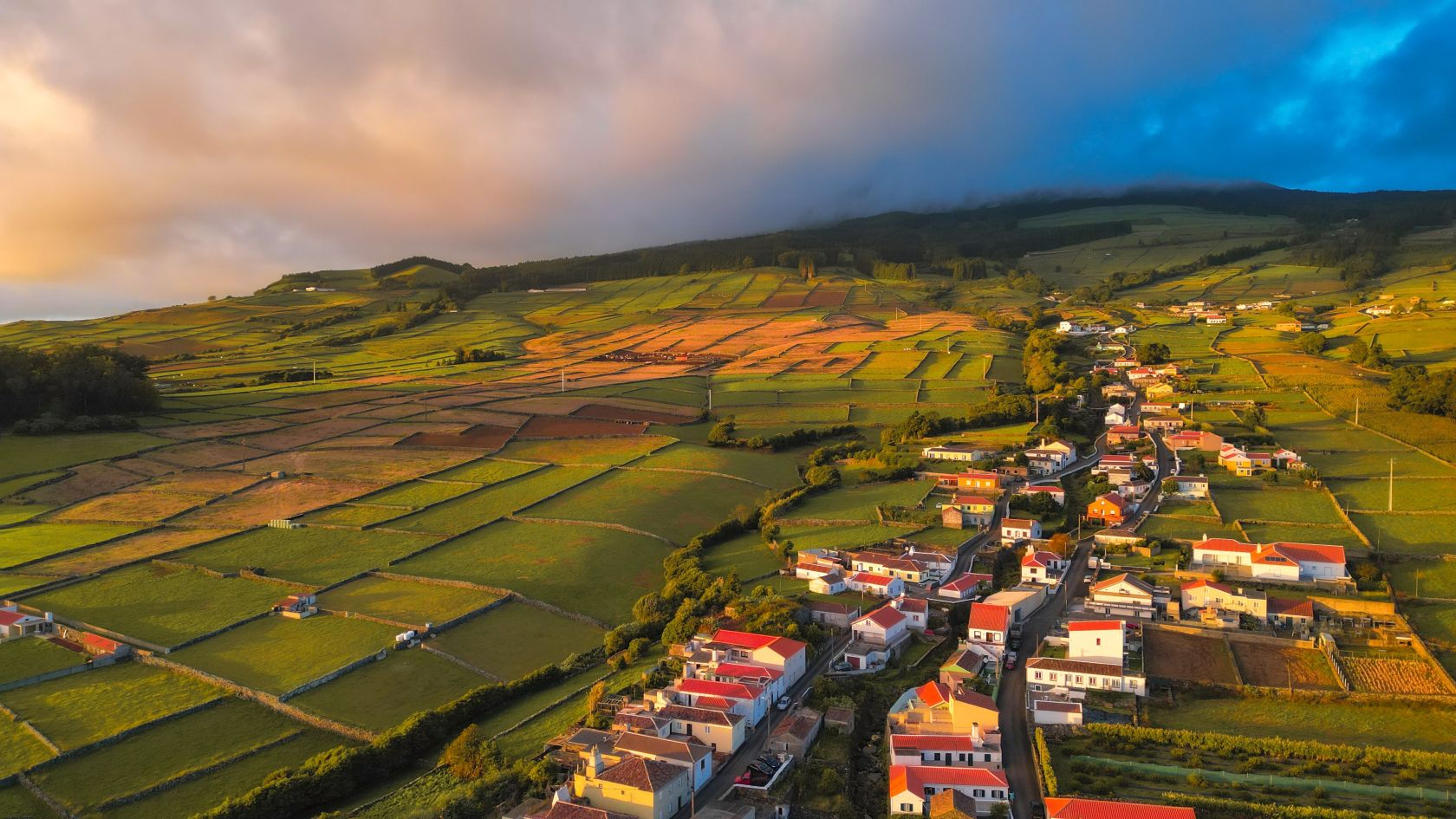
Beyond Angra, visitors can explore the Algar do Carvão lava tube, hike the Mistérios Negros trail through moss-covered lava fields, or admire the iconic mosaic of green fields from the Serra do Cume viewpoint. Terceira is also renowned for its year-round festivities, traditional Bailinhos performances during Carnaval, the Sanjoaninas celebrations in June, and its famous alcatra, a slow-braised beef stew cooked in a clay pot.
Lonely Planet describes Terceira as the “Best Island for culture” and recommends hiring a car to make the most of the island’s sights. According to Azores Getaways, Terceira is best for culture and history lovers, foodies, and hikers.
4. Graciosa
Graciosa is the smallest and flattest of the Azores’ central islands and one of the least visited, making it the perfect destination for travellers seeking a slower pace of life. Characterised by whitewashed villages, red-roofed Dutch-style windmills and an unspoilt landscape, the island has remained largely untouched by mass tourism.
Its standout attraction is Furna do Enxofre, an inactive volcano featuring a vast volcanic cave with a sulphurous subterranean lake, reached by a stone spiral staircase. Graciosa is also known for its delicate queijadas da Graciosa, excellent local wine and the therapeutic thermal spa of Carapacho, where mineral waters reach around 40°C.
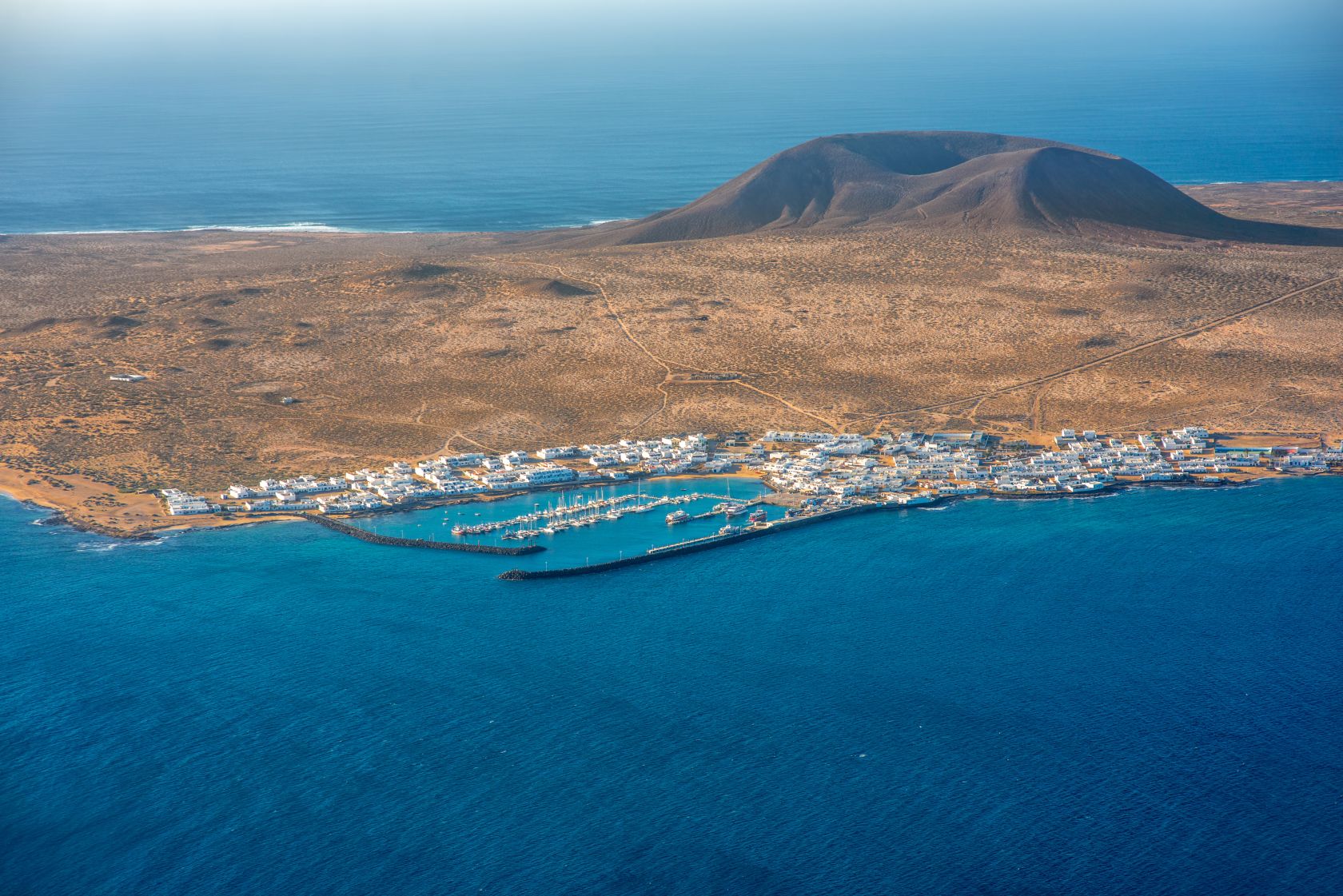
Lonely Planet describes Graciosa as the “Best Island to visit with family”, highlighting its short driving distances and attractions suited to younger children, including Furna do Enxofre and the island’s protected Burro da Graciosa donkeys. According to Azores Getaways, Graciosa is best for travellers seeking an authentic, uncrowded escape and anyone looking to slow down.
5. São Jorge
Long, narrow and dramatically steep, São Jorge rises more than 1,000 metres from the sea, with towering cliffs leading to isolated coastal platforms called fajãs. Regarded as a paradise for hikers, the island is home to the fajã of Caldeira de Santo Cristo, reached via one of the Azores’ most celebrated trekking trails, where a unique saltwater lagoon produces the only cockles in the archipelago. São Jorge is also renowned for its peppery, aged Queijo de São Jorge, one of Portugal’s finest cheeses, and Europe’s only artisanal coffee plantation at Fajã dos Vimes.
Lonely Planet describes São Jorge as the “Best Island for hiking”, highlighting its network of official trekking trails while noting that the island’s rugged terrain is best suited to experienced hikers equipped with proper hiking gear. According to Azores Getaways, São Jorge is best for adventure travellers, experienced hikers, cheese and coffee lovers, and those seeking something off the beaten path.
6. Pico
Defined by Portugal’s highest peak, Mount Pico rises 2,351 metres almost vertically from the sea, making it one of the Atlantic’s most striking volcanic landscapes. Beyond the mountain, the island is known for its UNESCO-recognised black-lava vineyards, where locals have produced wine since the 15th century, as well as its natural lava pools, one of the world’s longest lava tubes and a rich whaling heritage.
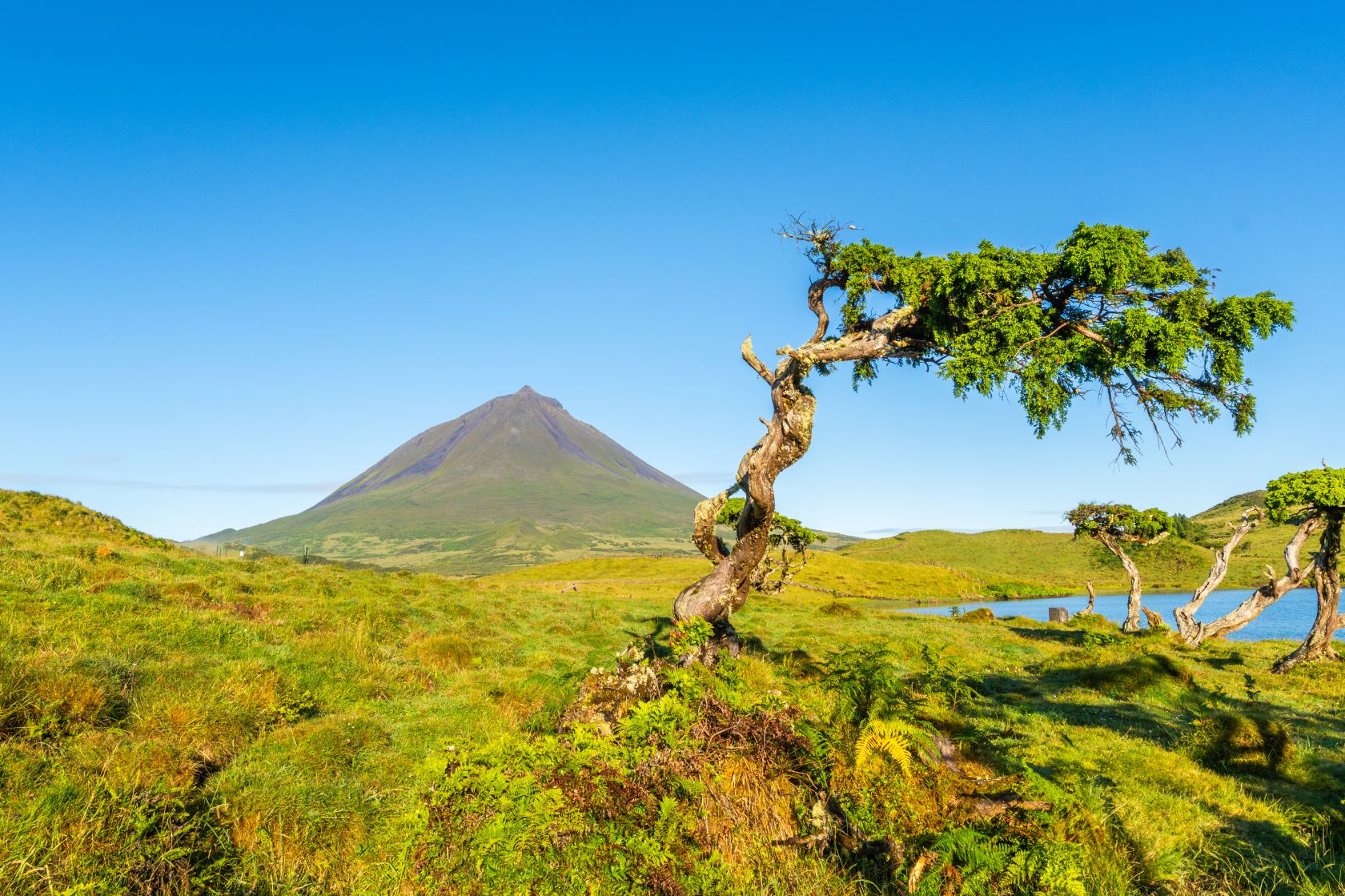
Once a centre for whale hunting, Pico is now one of the Azores’ leading destinations for whale watching, with many former hunters passing their knowledge on to today’s tour operators.
Lonely Planet describes Pico as the “Best Island for local heritage”, highlighting its whaling history, UNESCO-recognised vineyard culture and recommending it as an ideal base for exploring the Triangle Islands of Faial, Pico and São Jorge. According to Azores Getaways, Pico is best for hikers, wine lovers, whale watching and travellers seeking a rugged, authentic experience.
7. Faial
Known as the Blue Island for its summer hydrangeas, Faial has long been shaped by the sea. Its capital, Horta, has served as a crossroads of Atlantic sailing routes for centuries and is home to one of the world’s most storied yachting marinas.
Peter’s Café Sport, founded in 1918, remains a renowned meeting place for sailors and travellers. At the island’s western tip lies the Capelinhos volcano, whose 1957–1958 eruption created a peninsula of black lava and partially buried a lighthouse, leaving behind one of the Azores’ most striking landscapes. Faial also offers excellent whale watching and the popular natural swimming beach at Porto Pim.
Lonely Planet describes Faial as the “Best Island for beaches”, highlighting Praia do Almoxarife’s views of Mount Pico and Praia de Porto Pim’s sheltered bay near Horta, while recommending a scooter or e-bike to explore the island during summer. According to Azores Getaways, Faial is best for sailors and maritime history enthusiasts, whale watching, travellers combining it with Pico, and those seeking culture alongside nature.
8. Flores Island
Widely regarded as the most scenically extraordinary island in the Azores, Flores is a UNESCO Biosphere Reserve known for its dramatic landscapes and untouched nature. Nicknamed the “Island of Waterfalls”, it is home to cascading waterfalls, crater lakes, rugged cliffs and roads lined with hydrangeas during the summer months.
Among its best-known sights are the Poço do Bacalhau in Fajã Grande and the Poço da Ribeira do Ferreiro, where more than 20 waterfalls plunge into the valley. The island also features seven volcanic lakes scattered across its landscape, adding to its reputation as one of the archipelago’s most remarkable destinations.
Harder to reach than the other islands, Flores rewards travellers with some of the Atlantic’s most memorable scenery.
Lonely Planet describes Flores as the “Best Island for untouched nature”, highlighting its waterfalls, volcanic lakes and dramatic coastline, while recommending travellers allow extra time in case of weather-related flight disruptions. According to Azores Getaways, Flores is best for nature lovers, photographers, travellers seeking remote beauty and those with more time to spare.
9. Corvo Island
The smallest island in the Azores, Corvo is home to a single village with fewer than 500 residents, making it one of the smallest communities in Europe. With no traffic, little noise and an unhurried pace of life, the island offers a peaceful escape in a UNESCO Biosphere Reserve.
Its only paved road leads to the spectacular Caldeirão, a volcanic crater measuring 3.7 kilometres around and 300 metres deep, with two small lakes said by locals to represent the islands of the Azorean archipelago. Corvo is also a favourite among birdwatchers seeking rare migratory species and divers exploring its skylit lava caves.
Lonely Planet describes Corvo as the “Best Island to relax”, highlighting its walkable size and tranquil atmosphere, while recommending visitors stay at least one night to fully experience life on the archipelago’s most remote island. According to Azores Getaways, Corvo is best for birdwatching, peace and tranquillity, and travellers seeking remote natural settings.
So, which island should you choose?
There is no single “best” island in the Azores, as the right choice depends entirely on the kind of trip you want.
Azores Getaways recommends São Miguel for first-time visitors and those seeking the greatest variety, while Terceira stands out for culture, history and food. Pico and Faial are well suited to hikers and mountain landscapes, Santa Maria is the top choice for beaches and sunshine, Flores offers remote scenery and spectacular waterfalls, and Graciosa and Corvo are perfect for travellers seeking peace and quiet.
Many visitors also combine two islands in a week, with short flights and ferries making island-hopping effortless.
For fabulous weather, blooming hydrangeas, a wide range of festivals and ideal conditions for outdoor activities, Lonely Planet recommends visiting between June and September. July and August are the busiest months, attracting both first-time visitors and emigrants returning home for the summer.
 Add as a preferred source on Google







 Portugal Handbook
 English
 Nederlands
 Deutsch
 Français
 Español
 Italiano
 Svenska
 Pусский
 中文
中文 Türkçe
 Português
 Czech
Czech Hungarian
 Polski
 عربي
عربي Suomi
Suomi עִברִית
 Português (Brasil)
900km, not 900m
By Uta Higgs from Açores on 22 Jul 2026, 09:53
The Açores are actually 900 KILOMETRES, not metres, off the coast of Portugal. Please correct your article.
By Billy Bissett from Porto on 22 Jul 2026, 11:08