


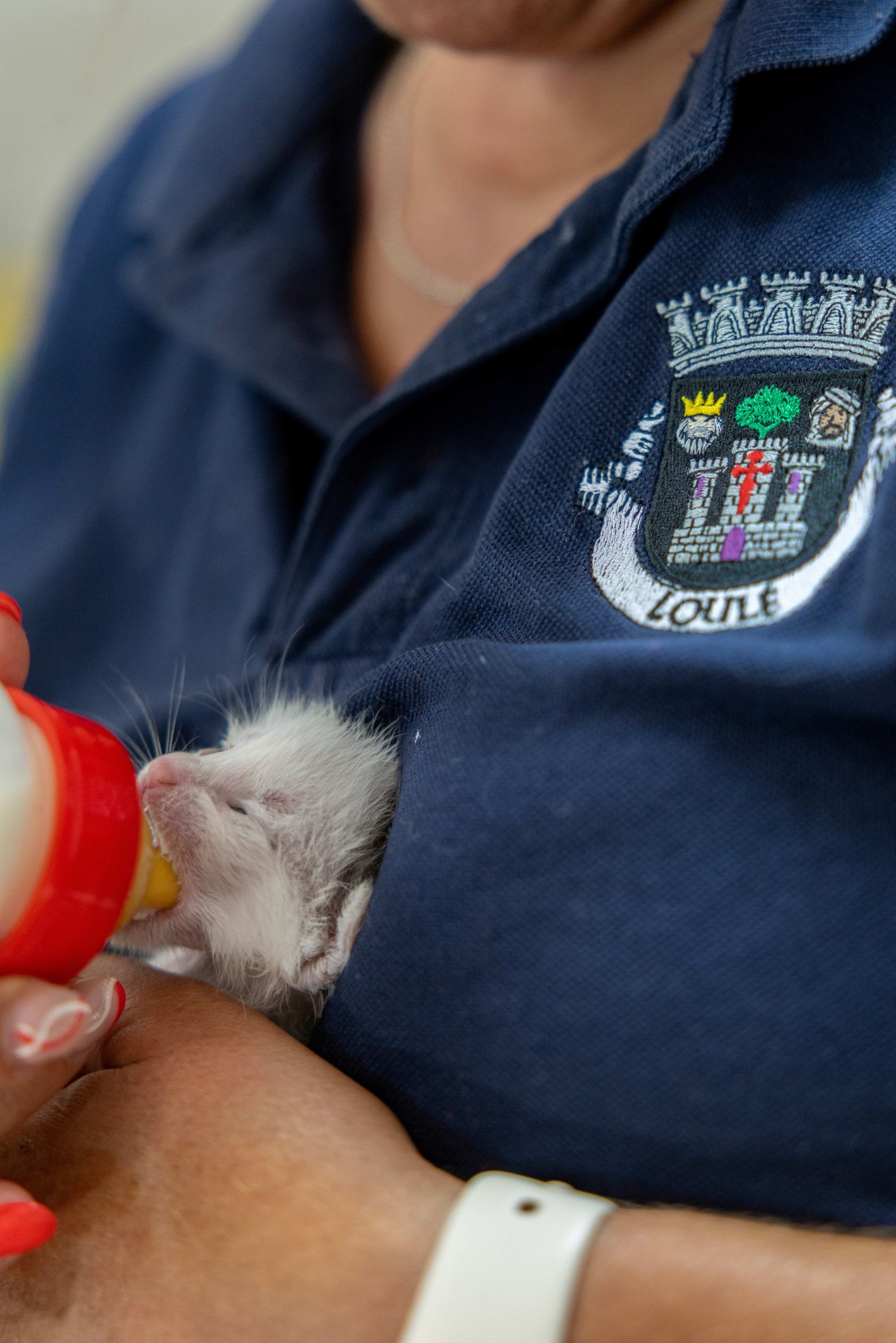
This intervention will be carried out in partnership with the non-profit organisation Animais de Rua, which specialises in managing stray animal populations and has implemented similar programmes in other Portuguese municipalities.
So far, the municipality has identified around 100 cat colonies throughout the area. According to local officials, the number of stray cats is continuing to rise, making a large-scale sterilisation operation necessary to prevent further population growth.
Monitoring colonies
Under the scheme, cats will be captured, sterilised and returned to the colonies where they were found.
The Municipality of Loulé will provide rabies vaccinations and microchips, while Animais da Rua will oversee the sterilisation procedures.
This CNR approach is not designed to remove healthy cats permanently from their territories, as the animals will be returned to their established colonies, where their populations can be monitored and managed by designated carers. According to Animais da Rua, the method also involves identifying sterilised cats through a small mark on the left ear, allowing them to be recognised without being captured again.
The municipality intends to establish an organisation or individual for each colony, with responsibility for feeding, monitoring the animals and reporting health or population changes.
This programme could help reduce reproductive diseases and the spread of infectious illnesses, while also limiting problems sometimes associated with unmanaged colonies, including noise, odours and road accidents.
Carers network
Loulé is also planning measures beyond sterilisation, as it is currently conducting a census of colonies and cats and compiling a register of people who care for them.
Local officials confirmed the strategy will include public awareness campaigns, the creation of a network of colony carers and measures to organise food collection and distribution.
This Animais de Rua partnership is intended to help address an existing waiting list for sterilisation and accelerate the number of procedures being carried out. According to the organisation, its CED work combines sterilisation with monitoring, veterinary care, feeding and responsible adoption where cats are sufficiently socialised.
The municipality is simultaneously looking at conditions for animals housed at Loulé’s existing municipal kennel, as work is nearing completion on the execution project for a new Animal Collection and Welfare Centre in Benafim.
In the meantime, planned improvements include staff training, better accommodation for dogs and cats, environmental enrichment and support from the Local Volunteer Bank to help exercise the animals, as well as the development of an adoption campaign.
Set The Portugal News as your preferred source for news on Google
 Add as a preferred source on Google








 Portugal Handbook
 English
 Nederlands
 Deutsch
 Français
 Español
 Italiano
 Svenska
 Pусский
 中文
中文 Türkçe
 Português
 Czech
Czech Hungarian
 Polski
 عربي
عربي Suomi
Suomi עִברִית
 Português (Brasil)
Follow us on social media