


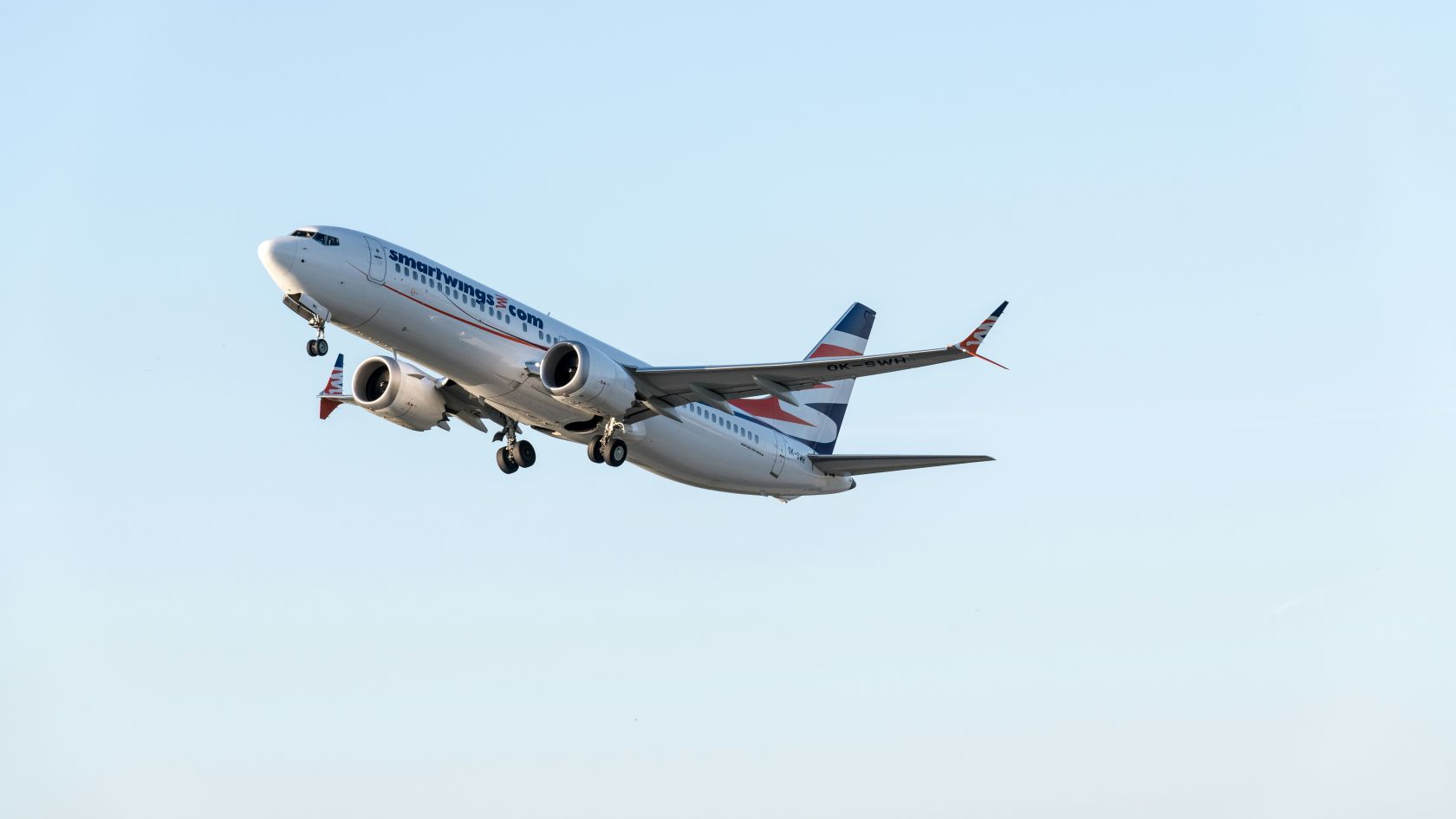
A statement from the national ATM company says the change will mean that the areas of Alverca do Ribatejo, Forte da Casa, Póvoa de Santa Iria and Santa Iria de Azóia, all of which are currently overflown by all departing flights, will be flown over by only a small proportion of departing aircraft.
The organisation states that the new operating arrangement will “reduce the length of the common flight path taken by aircraft after takeoff by some 5.2km, enabling them to enter their respective route towards their destination much sooner and thus reduce the number of aircraft flying over certain areas north of the airport”.
This is the outcome of a technical study into alternatives carried out jointly by NAV Portugal and the National Civil Aviation Authority (ANAC). It implements a resolution passed by the Council of Ministers last year, specifically designed to reduce noise pollution in the surrounding residential areas.
The 35,000 or so residents in the area are currently exposed to an average daily level of 55 decibels (Lden), which takes into account the whole day (day, evening, and night) and applies weightings of 5 dB and 10 dB, respectively, to the evening and night periods. That level is deemed to be harmful to health.
Lisbon’s unusual geography, one of the very few capital cities in the world with airport infrastructure right in the city, has meant that aircraft noise has been at the very heart of the debate for many years.
A report by Euronews in September of this year actually saw a Lisbon resident, António Boaventura, go so far as to create a real-time monitoring platform for air traffic over the capital. It’s already picked up several breaches, particularly regarding the rules on night flights.
There is no real resolution to this issue in the city at the moment other than the Luís de Camões Airport, which is due to be built on the Alcochete firing range, actually getting going. That’s not expected until 2037.
Set The Portugal News as your preferred source for news on Google
 Add as a preferred source on Google







 Portugal Handbook
 English
 Nederlands
 Deutsch
 Français
 Español
 Italiano
 Svenska
 Pусский
 中文
 Türkçe
 Português
 Czech
 Hungarian
 Polski
 عربي
 Suomi
 עִברִית
 Português (Brasil)

Follow us on social media