


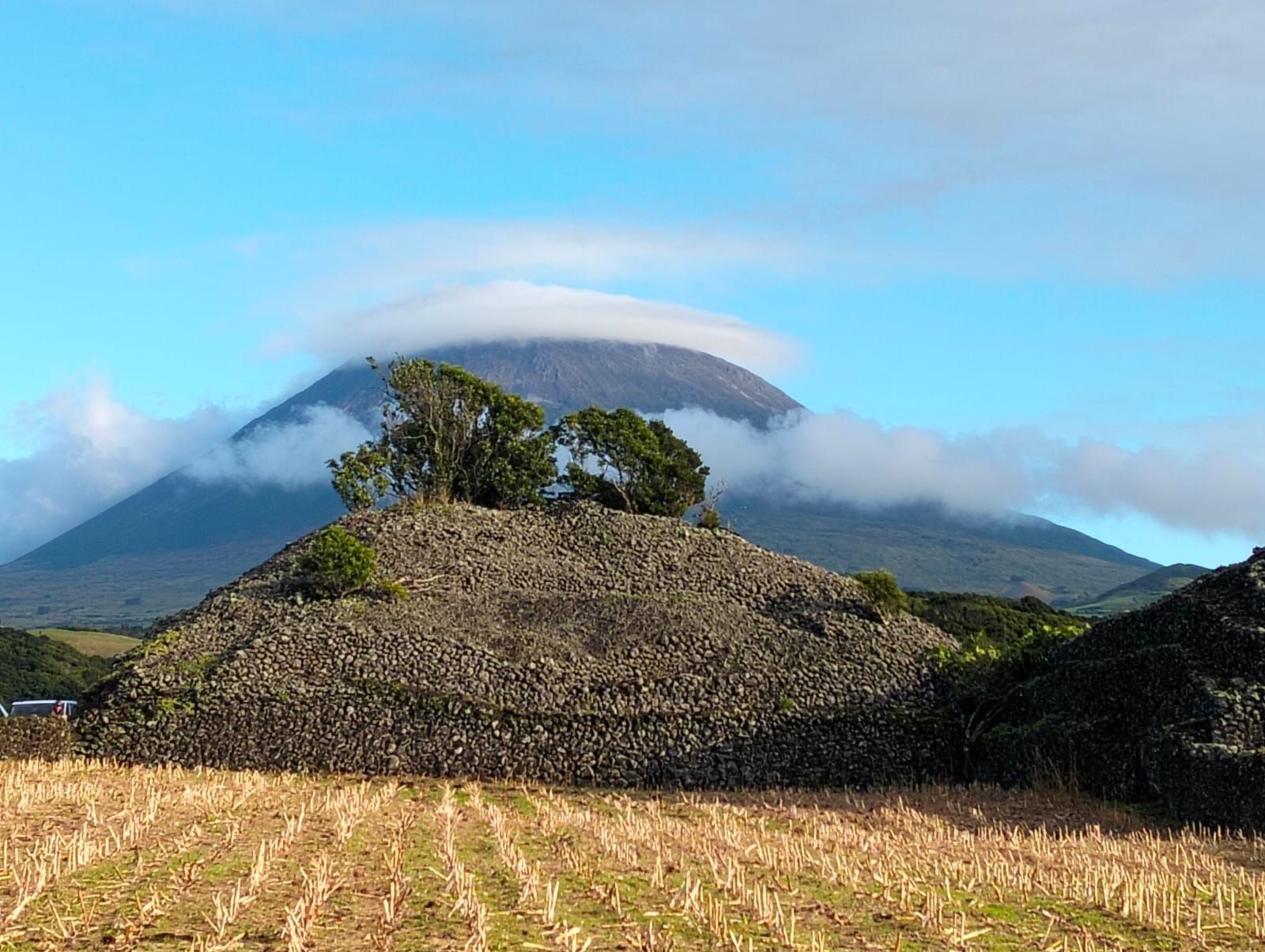
Generations of students grew up believing these mist-shrouded Atlantic islands were empty, wild and untouched until Portuguese sailors first set foot on their rugged shores.
Yet that foundation is now being questioned. Already in 2021, a study led by Pedro Raposeiro of CIBIO-Azores, a research centre based at the University of the Azores, analysed lake sediments from five Azorean islands, including Pico. It found chemical traces of livestock, along with signs of fire and forest clearing, from roughly 700–850 CE, about 700 years before the official settlement by the Portuguese. The authors suggest Norse seafarers may have come first. Two clues point the same way: Azorean house mice were found to carry DNA lineages from northern Europe, and the islands also seem to appear on maps from the 1360s and 1370s, roughly six decades before their official discovery.
The study also leaves open questions, however. Could ancient seafarers even make it to the Azores? Why would there not be an archaeological record? So, the bold question remains: were the Azores ever inhabited before the Portuguese arrived?
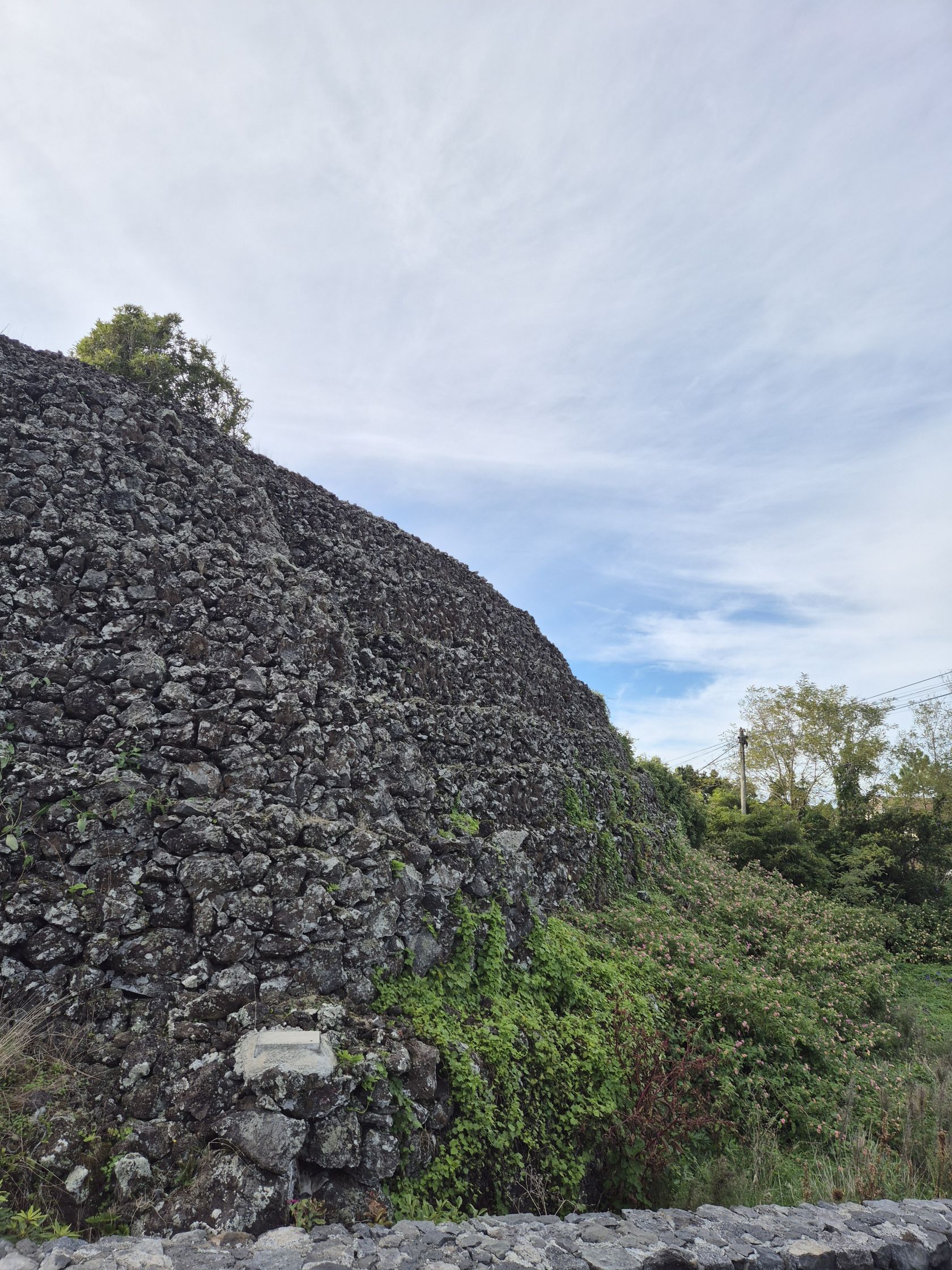
That is exactly what the recent expedition set out to investigate. Known as the ABORA team and led by experimental archaeologist Dr. Dominique Görlitz, its mission was to take samples from the famous maroiços of Pico, and from similar structures found by researcher Filip Strüven on São Miguel, and to test them with OSL dating. Researcher Ramon Zürcher, archaeoastronomer Dr. Michael Rappenglück and OSL expert Prof. Jorge Sanjurjo-Sánchez of the University of A Coruña joined to study the complexes further: possible alignments to stars and landmarks, and the natural radiation measurements the dating requires.
This research builds on an earlier radiocarbon date from a charcoal layer inside the chamber of a one-stepped mound near Madalena, collected by Dr Nuno Ribeiro and Dr Dominique Görlitz and analysed at Kiel University. It points to fire activity between roughly 1035 and 1177 CE, which is further evidence of potential pre-Portuguese activity on the islands.
About maroiços
The current historical view on these pyramid-like structures, so-called “maroiços”, is that they are heaps of black basalt stones found in the vineyard landscape of Pico. Their origin is supposed to be practical: farmers needed to clear their fields to plant vines, host cattle and grow food, so they piled up the stones they removed.
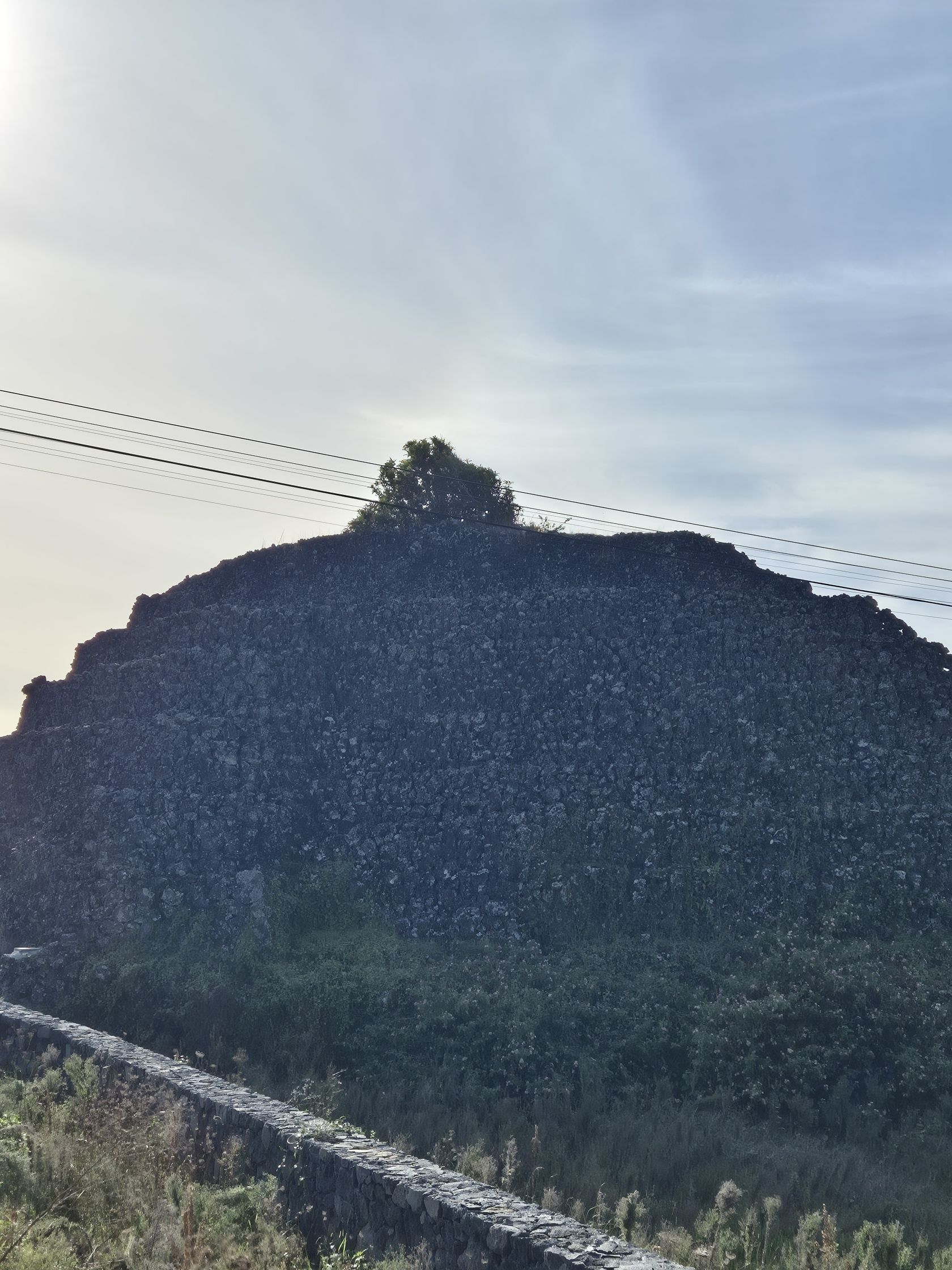
The same stones built the walls of the small enclosures, the currais, that give Pico’s UNESCO-listed vineyard landscape its look. Some maroiços, however, are up to 13 m tall and strikingly regular, featuring platforms, entrances and even apparent astronomical alignments, which is why the team has such an interest in doing further study. Are they truly just the creation of local farmers who wanted more space? Or are they perhaps remnants of a far older civilisation?
About OSL
Optically Stimulated Luminescence (OSL) dating measures how long mineral grains in sediment have been buried, shielded from daylight. When a structure is built, the soil beneath or between its stones is covered, so the resulting burial age gives a time window for its construction.
Previously, on other Atlantic islands: the Canaries. The ABORA team has applied the same approach to the stepped structures of Tenerife. Preliminary OSL results, presented in July 2026, point to ages thousands of years before the Spanish conquest, in some cases between roughly 3000 and 2500 BC. These findings are not yet peer-reviewed (article is in preparation), and many archaeologists still read those structures as agricultural stone heaps. This new data, however, has stirred debate on the islands, and that is exactly the aim of this new study in the Azores: creating an open discussion with fresh data about the first population of the Azores.
In around eight months, we’ll know more. The Azorean samples are now being analysed in the laboratory of the University of A Coruña. If they return medieval or early modern ages, they will support the conventional story. If they return something older, history will have to answer some uncomfortable questions. Either way, we will finally have data instead of opinions.
We’ll continue to report on this story as it moves along!
Set The Portugal News as your preferred source for news on Google
 Add as a preferred source on Google







 Portugal Handbook
 English
 Nederlands
 Deutsch
 Français
 Español
 Italiano
 Svenska
 Pусский
 中文
 Türkçe
 Português
 Czech
 Hungarian
 Polski
 عربي
 Suomi
 עִברִית
 Português (Brasil)

Portugal will try its best to hide and discredit the academic evidence just like it does on Madeira history prior to 1419. It thinks it loses something on exposing the records when it only would become Greater.
By Diogo F. from Madeira on 22 Nov 2026, 18:23