


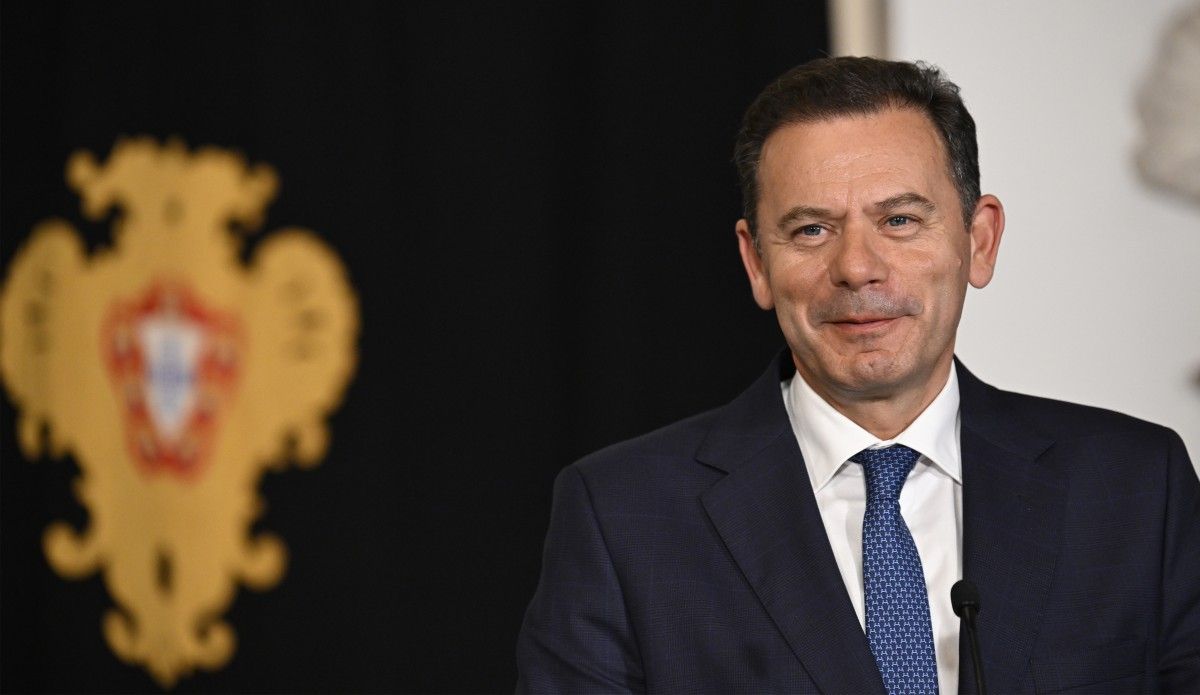
He is determined to see out his full term, which ends in 2029. In a 50-minute interview with RTP, his first with the public broadcaster since July 2025, conducted by News Director Vítor Gonçalves, the head of the PSD/CDS-PP Government described the PS and Chega approval of the measures, against the Executive’s wishes, as a “constitutional distortion” and a situation of “serious tension”.
He did, however, draw a very clear line between that and an institutional crisis: “There is a huge difference between a situation of serious tension and a political crisis. A political crisis has never been, nor is it, on my agenda for the coming years. I intend to complete the term of office to 2029. That is what the people want, what the parties want, and what the President of the Republic wants. That is what we want.”
He went on to say that such stability is in the interests of the country’s families and businesses.
Relationship with Seguro
When asked about his working relationship with António José Seguro, who took over at the Belém Palace in March of this year following Marcelo Rebelo de Sousa’s departure, Montenegro described it as an “absolutely perfect institutional relationship, based on mutual respect” and one which he sees as an opportunity to provide the predictability that families and businesses need.
On the budget, the PM reasserted his commitment to a public sector surplus by 2027, in direct opposition to the deficit forecasts of the international institutions, and made it clear that uncontrolled spending was not an option: “I haven’t found a money-making mine in Beato. Oil isn’t gushing out.
That means we have to do it with moderation, with balance and with responsibility.” He ruled out using budget freezes to achieve the surplus.
No implementation of zero VAT
At the outset of the interview, the Government said it would not implement zero VAT on basic foodstuffs, a measure passed by Parliament, as that would reduce tax revenue. It also will not carry out the offsetting measure, also passed by Parliament, which would have removed the tax incentive for rental income up to €2,300.
The PM felt that the incentive, which has been in place for only a few months and has already resulted in “thousands of contracts”, would help drive dynamism in the rental market.
Housing sector
On the housing dossier, Luís Montenegro supported the urgent eviction procedure, part of the new tenancy framework that has just passed its first general vote, with support from the Liberal Initiative and an abstention from Chega.
It will now go to the committee. Montenegro argued that by reducing legal risk for landlords, more units will come to market, which will in turn lead to lower rents.
On healthcare, the PM said the situation in 2026 is “better than it was in 2024,” when his first administration took office, although he conceded that some indicators are worse than in 2025. “If you ask me whether that is a cause for dissatisfaction or even frustration, then obviously it is,” he said.
He put the main pressure on public services, noting that the population has increased by nearly a million over the last few years, and reiterated the aim of having every user with a family doctor.
Set The Portugal News as your preferred source for news on Google
 Add as a preferred source on Google







 Portugal Handbook
 English
 Nederlands
 Deutsch
 Français
 Español
 Italiano
 Svenska
 Pусский
 中文
 Türkçe
 Português
 Czech
 Hungarian
 Polski
 عربي
 Suomi
 עִברִית
 Português (Brasil)

Follow us on social media