


These picturesque towns are often overshadowed by more prominent destinations in their respective countries but are renowned for their unique characteristics and local charm.
This article explores the essence of these two towns, from their historical significance and cultural offerings to must-visit attractions and culinary delights.
Vila Real de Santo António: A Portuguese Gem
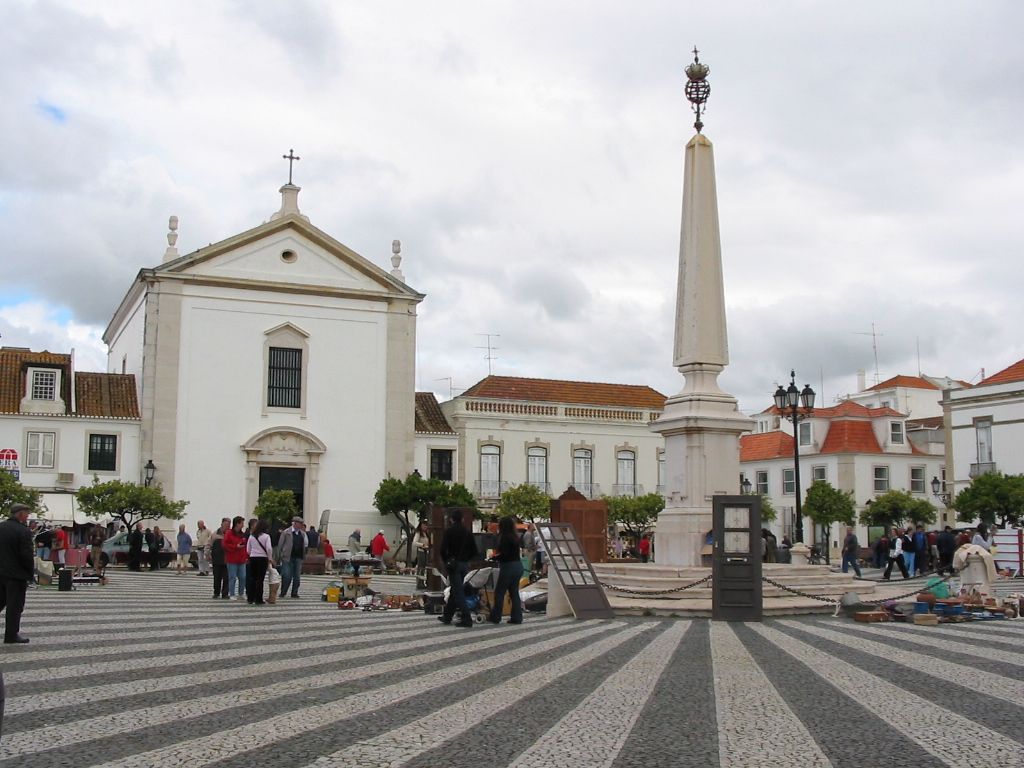
Vila Real de Santo António, located on the banks of the Guadiana River, was founded in the mid-18th century by the Marques de Pombal following the devastating 1755 earthquake that struck Lisbon. The town was created as part of a broader strategy to revitalise the southern coast of Portugal, promoting agricultural development and trade. Its architectural style was inspired by the Pombaline style prevalent in Lisbon, characterised by neat grid streets.
Architectural gems
As you stroll through Vila Real de Santo António, you’ll quickly be enchanted by its well-preserved buildings and charming squares. The town centre features the beautiful Praça Marquês de Pombal, lined with palm trees and colourful facades. Be sure to visit the impressive Igreja Matriz, a neoclassical church that stands out with its stunning altar and ornate details.
The town’s proximity to the waterfront adds to its charm, with a lovely promenade along the banks of the Guadiana River providing picturesque views. The Forte de Nossa Senhora da Encarnação, originally constructed in the 18th century to protect the town from invasions now serves as a historical landmark where visitors can appreciate its architecture and enjoy views of the river.
Natural beauty and beaches
Vila Real de Santo António is known for its stunning beaches along the Atlantic Ocean, including Praia de Cabeço and Praia de Altura. These beaches boast golden sands, clear waters and gentle waves, making them ideal for sunbathing, swimming and water sports. The nearby Ria Formosa Natural Park offers an opportunity to explore rich biodiversity, with its lagoons, marshes and islets providing habitats for various bird species.
Culinary offerings
The culinary scene in Vila Real de Santo António reflects the rich traditions of Portuguese cuisine, with the usual emphasis on fresh seafood. After a day of exploring, visitors can savour local delicacies at one of the many restaurants lining the town's waterfront.
Polvo à la Lagareiro (octopus prepared with olive oil and garlic) and Cataplana de Marisco (a seafood stew) are musttries. Coupled with a glass or three of local wine, dining in Vila Real is a true gastronomic experience.
Ayamonte: The Spanish neighbour Ayamonte, situated just across the Guadiana River from Vila Real de Santo António, has a rich history that dates back to ancient times. Founded long before the Portuguese town, Ayamonte was influenced by various cultures, including the Phoenicians, Romans, and Moors. Its cobbled streets reflect the past, showcasing remnants of its historical significance as a trading hub on the edge of the Algarve region. Architectural gems The town's architecture exhibits a mix of styles, with Moorish influences visible in the design of many buildings. The Iglesia de las Angustias is a beautiful church featuring a Baroque altar, standing as testament to Ayamonte’s cultural heritage.
The Castillo de Ayamonte, dating back to the 13th century, is another highlight, offering panoramic views of the town and the Guadiana River.
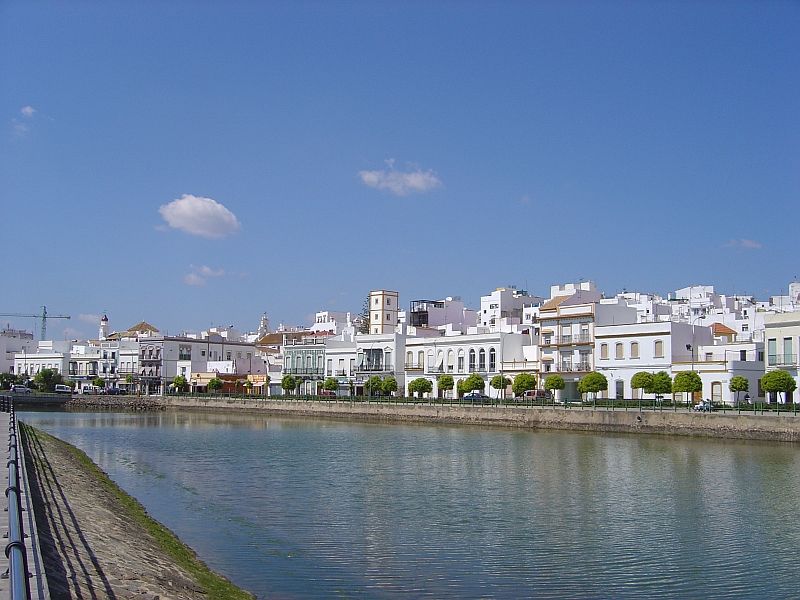
Take a leisurely walk through the charming old town, where narrow streets are adorned with traditional whitewashed houses, colourful flowers and bustling tapas bars. The stunning views of the river and the surrounding landscapes create a picturesque setting for exploration and photography.
Natural surroundings and local beaches
Ayamonte is also renowned for its beautiful beaches, such as Playa de Isla Canela and Playa de Punta del Moral, which feature golden sands and clear waters. These beaches are wellequipped with facilities that provide opportunities for various water sports, including windsurfing and sailing. The natural environment around Ayamonte also includes the Marismas del Odiel Natural Park, a UNESCO Biosphere Reserve known for its diverse birdlife and stunning estuarine landscapes.
Gastronomy and local cuisine
Ayamonte boasts a vibrant culinary scene, rich in seafood dishes. The town is renowned for its camarones (small shrimp) and pescaito frito (fried fish), both of which are served fresh in local restaurants and tapas bars. Visitors should also sample a glass of Manzanilla, a type of sherry produced in the nearby regions, which pairs perfectly with the local seafood dishes.
Cultural connection between Vila Real de Santo António and Ayamonte
The proximity of Vila Real de Santo António and Ayamonte not only leads to a shared landscape but also fosters a blend of Portuguese and Spanish cultures. The two towns celebrate their unique identities while embracing their cross-border relationship. Local festivals, events and culinary traditions often mix influences from both cultures, giving visitors an authentic taste of the region.
Cross-Border events and festivals
Throughout the year, both towns host various events celebrating their cultural heritage. One of the most popular events is the Feria de la Cerveza in Ayamonte, where locals and visitors alike enjoy live music, delicious food and a wide variety of craft beers. Similarly, Vila Real hosts various cultural festivals focusing on music, dance and traditional crafts, drawing visitors from both sides of the border.
Exploring both towns A visit to this border area provides an opportunity to easily explore both Vila Real de Santo António and Ayamonte on foot or by bike. The Puente Internacional del Guadiana is a beautiful bridge connecting the two towns, allowing easy access for day-trippers wanting to experience the cultural and scenic offerings on both sides.
Practical tips for visiting
Vila Real de Santo António and Ayamonte are easy to access by car, bus or ferry services. The nearest major airport is in Faro, approximately 60 kilometres away from Vila Real de Santo António. From the airport, visitors can rent a car or take a bus to reach these charming towns.
Best time to visit
The best time to visit is during the spring (April to June) and early autumn (September to October), as the weather is mild and the tourist crowds are fewer. Summers can be warm, attracting beachgoers and holiday tourists, while winters are relatively mild but quieter.
Local etiquette
Both towns maintain a laidback atmosphere. Politeness is valued, so learning a few basic phrases in Portuguese and Spanish can enhance interactions. Additionally, indulging in local cuisine and customs, such as enjoying leisurely meals and engaging in local celebrations, is appreciated.
Conclusion
Vila Real de Santo António and Ayamonte represent two sides of the same coin, each town thriving with its own character, history and culture. Both towns invite exploration and discovery. Their stunning natural settings along the Guadiana River make them perfect destinations for leisurely strolls, making it easy to be immersed in the local lifestyle.
Whether you’re looking to bask in the sunshine on the beach, savour authentic regional dishes or delve into centuries of history, a visit to Vila Real de Santo António and Ayamonte offers a fulfilling experience that bridges both Portuguese and Spanish cultures.







 English
 Nederlands
 Deutsch
 Français
 Español
 Italiano
 Svenska
 Pусский
 中文
中文 Türkçe
 Português
 Polski
 عربي
عربي Suomi
Suomi עִברִית
 Português (Brasil)
A good article but the Place de Pombal is surrounded with orange trees.
By Tim Smallwood from Algarve on 26 Jan 2026, 11:51