


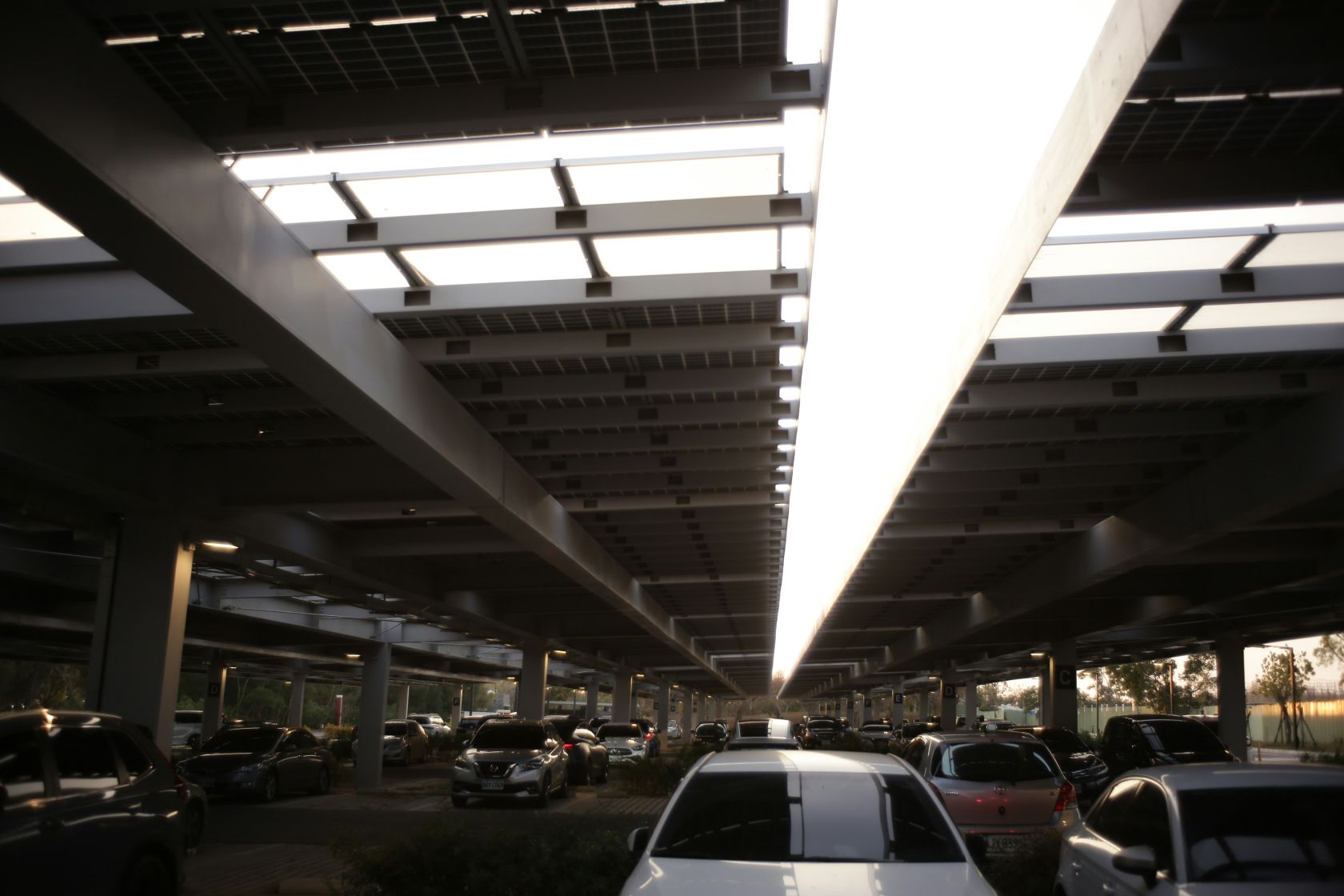
Increasingly, it is being driven by intelligent, integrated solutions that bring energy generation closer to where it is actually consumed. The recent announcement that Greenvolt, through its subsidiary Greenvolt Next, will collaborate with Cork Airport to develop Ireland’s largest solar car park is a clear example of this shift.
At first glance, a solar car park may seem like a niche project. In reality, it represents something much more significant. It reflects how infrastructure is being rethought to serve multiple purposes at once. In this case, a traditional parking area becomes not only a functional space for vehicles but also a source of clean energy, contributing directly to the operational needs of the airport.
With a planned capacity of 1.7 MW and nearly 3,700 solar panels, the project is expected to generate around 1.5 GWh of renewable energy annually, covering approximately 20% of the airport’s electricity consumption. This is not just about sustainability targets. It is about energy independence, cost efficiency, and long-term resilience.
From my own experience working closely with Greenvolt, it is clear that this type of project is only the beginning. The focus is no longer solely on producing renewable energy, but on integrating it seamlessly into existing infrastructure, whether in airports, industrial facilities, logistics hubs, or even urban environments. The future of energy lies in decentralization, proximity, and smart use of space.
What makes projects like this particularly relevant is their scalability. Airports, shopping centers, industrial parks, and large commercial areas across Europe represent vast, underutilized surfaces that can be transformed into energy-generating assets. Instead of expanding land use, the strategy is to optimize what already exists.
For countries like Portugal, this represents a significant opportunity. With strong solar exposure, increasing demand for energy, and a growing focus on sustainability, similar solutions can be applied across multiple sectors. From logistics platforms to retail parks and even tourism infrastructure, the potential is considerable.
At the same time, these developments are closely linked to broader trends shaping the global economy. The rise of data centers, electrification of transport, and digital infrastructure all depend on reliable and sustainable energy sources. Projects like the one in Cork are part of a larger ecosystem where energy, infrastructure, and technology converge.
This is where companies like Greenvolt are positioning themselves, not just as energy producers, but as partners in the transformation of how energy is generated, distributed, and consumed.
What we are witnessing is a quiet but powerful shift.
Energy is no longer something that happens somewhere else.
It is becoming part of everything we build.
 Add as a preferred source on Google







 Portugal Handbook
 English
 Nederlands
 Deutsch
 Français
 Español
 Italiano
 Svenska
 Pусский
 中文
中文 Türkçe
 Português
 Czech
Czech Hungarian
 Polski
 عربي
عربي Suomi
Suomi עִברִית
 Português (Brasil)
Follow us on social media