


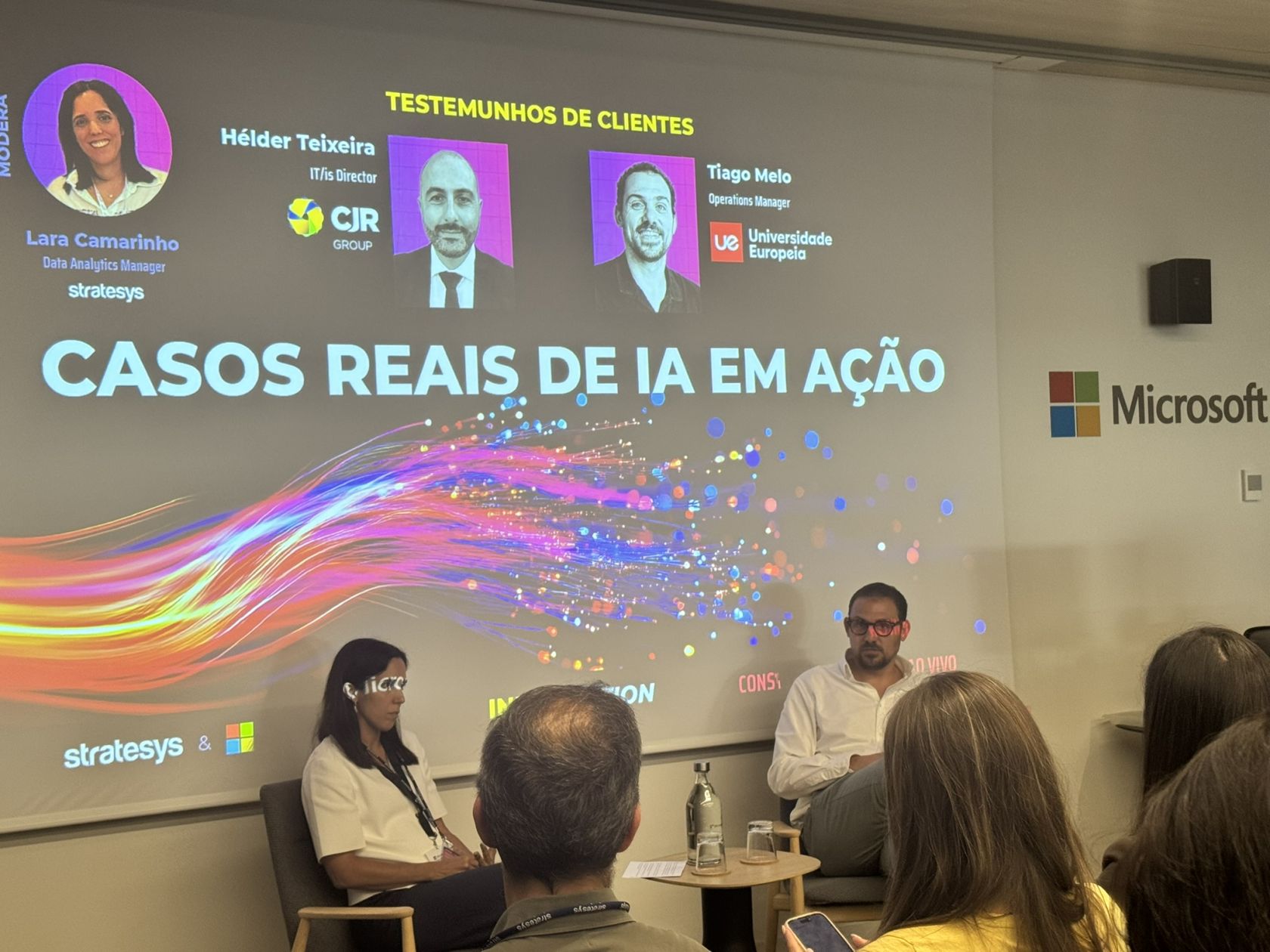
The recent event hosted by Stratesys and Microsoft in Lisbon is a good example of that dynamic, and one that deserves more attention than it will likely receive.
On the surface, it was a focused gathering around artificial intelligence, bringing together experts and executives to discuss innovation and practical applications. But looking more closely, it reflects something much more relevant for Portugal’s position in the digital economy. When global players like Microsoft partner with companies such as Stratesys, which operates across multiple markets and industries, what is really being created is a bridge between technology capability and business execution.
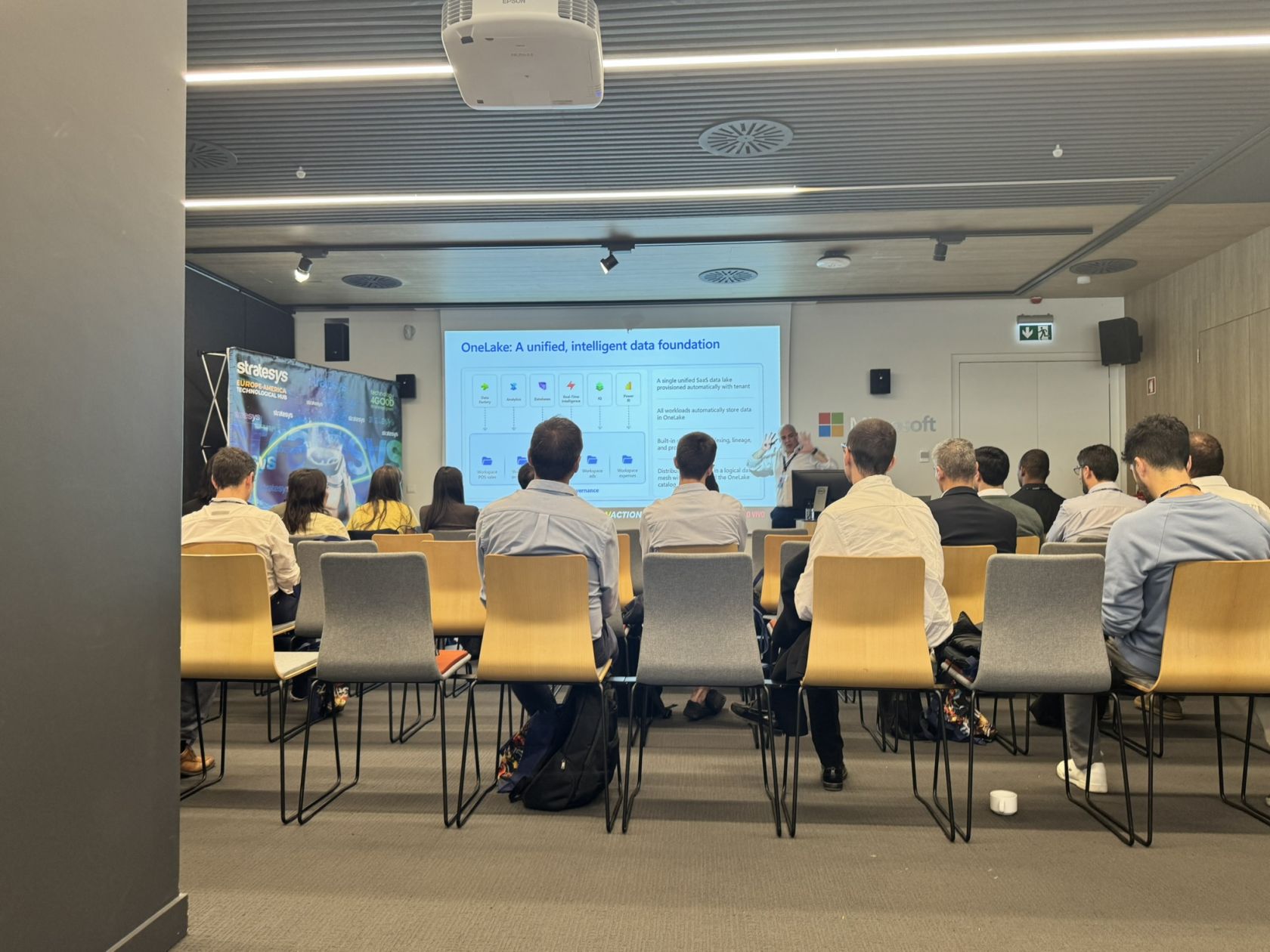
This is where many economies succeed or fail. Technology on its own does not transform organisations. What matters is how quickly and effectively it is adopted, integrated and scaled. Events like this play a critical role in that process because they move the conversation from theory to practice. They create a space where real use cases are shared, where challenges are openly discussed, and where companies begin to understand how artificial intelligence can be applied in their own operations.
Portugal is at an interesting point in this journey. The country has been gaining visibility in areas such as data centres, cloud infrastructure and digital services. It has the talent, an increasingly strong infrastructure and growing interest from international investors. But the real test is no longer about potential. It is about execution.
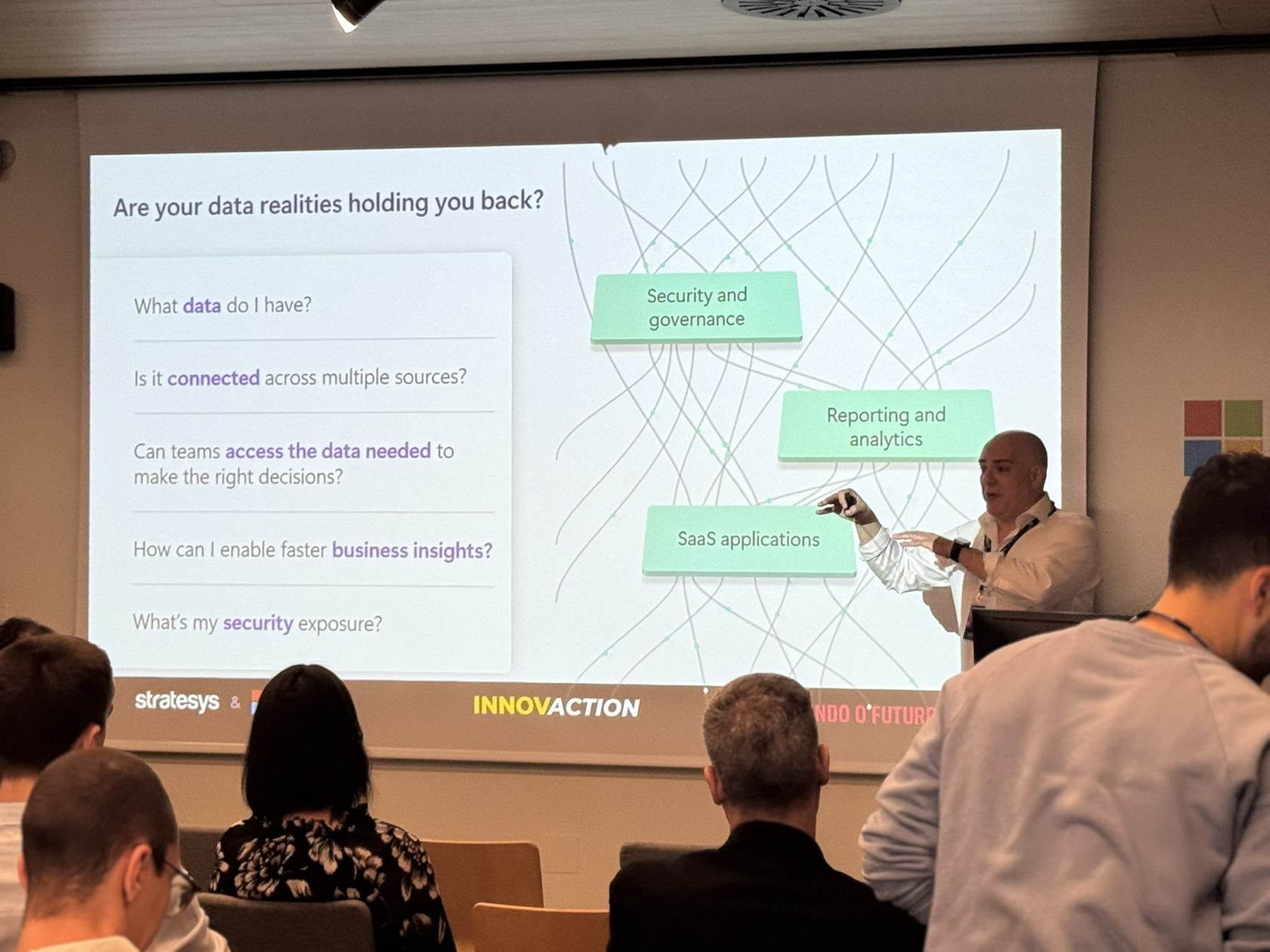
What stood out in this event was precisely that shift. The focus was not on what AI might become, but on how it is already being used to improve decision-making, optimise operations and create competitive advantage. This reflects a broader trend across more mature markets, where artificial intelligence is no longer experimental but operational.
There is also another important dimension. The presence of senior decision-makers signals that AI is no longer confined to IT departments. It is now a strategic priority. It sits at the core of how companies think about growth, efficiency and resilience. That change in mindset is essential if Portugal wants to remain competitive in an increasingly digital and data-driven global economy.
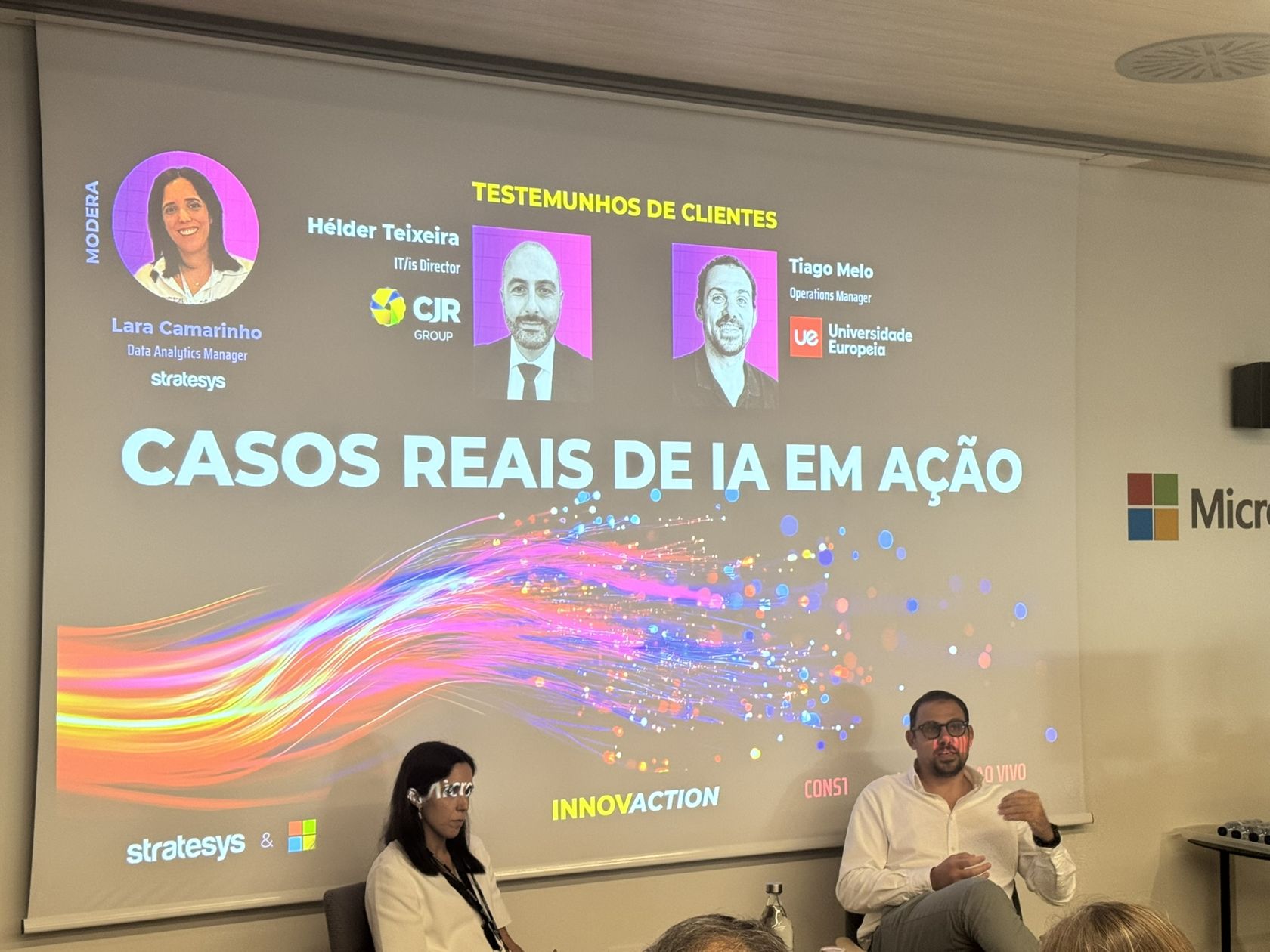
From my perspective, working closely with technology, data centres, and the broader digital ecosystem, these smaller, more focused events are often where real progress begins. They are where partnerships are formed, where ideas are tested and where the gap between innovation and implementation starts to close.
Portugal does not lack ambition in technology. What it needs is scale and speed. More companies are adopting, more projects are moving forward and a stronger alignment between technology providers and business leaders. That is exactly what this type of initiative helps to build.
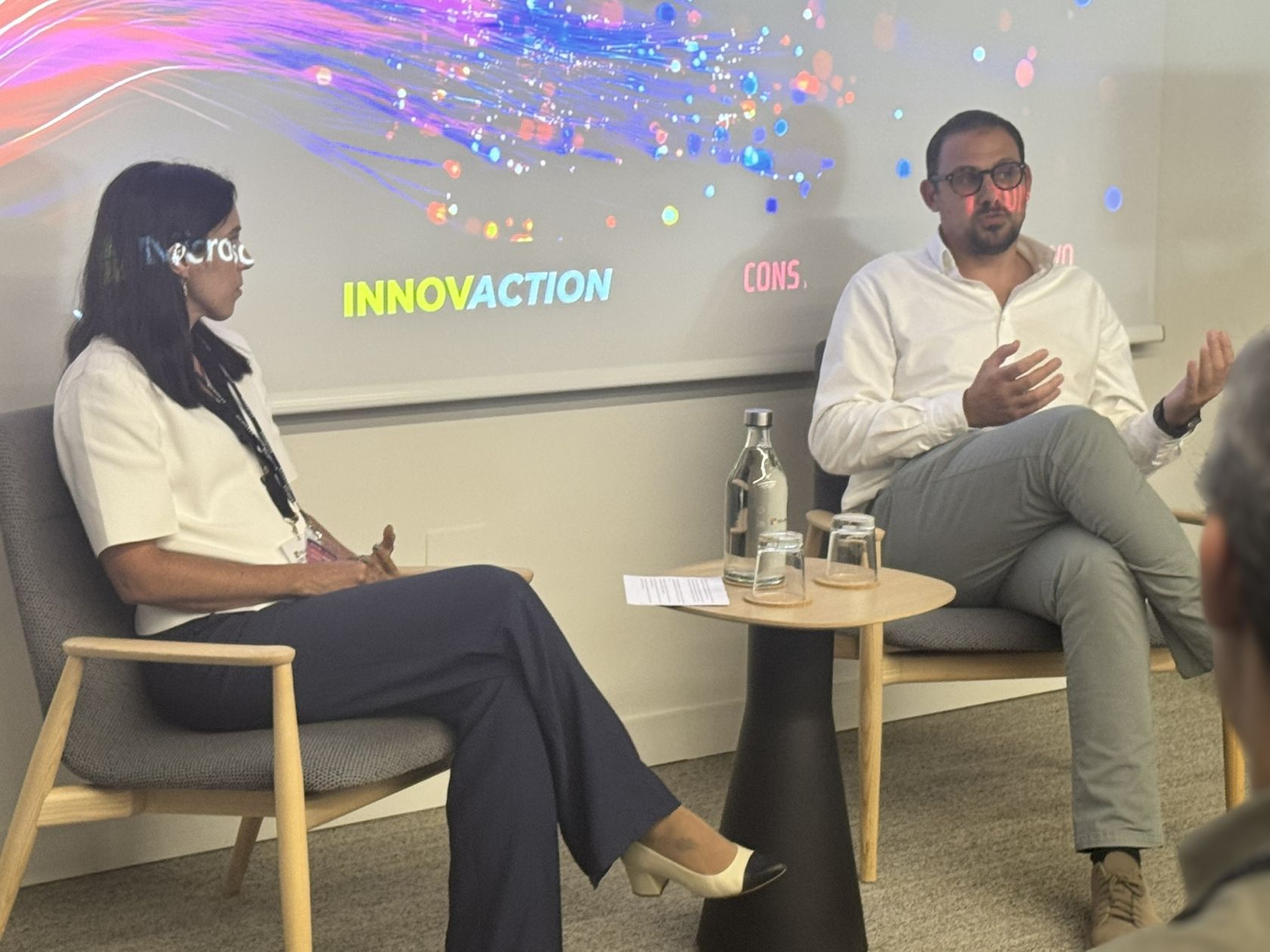
In the end, the significance of events like this is not measured by their size, but by their impact over time. They are part of a larger movement that is gradually shaping Portugal’s role in the digital economy.
And those who are paying attention now will be the ones better prepared for what comes next.
 Add as a preferred source on Google







 Portugal Handbook
 English
 Nederlands
 Deutsch
 Français
 Español
 Italiano
 Svenska
 Pусский
 中文
中文 Türkçe
 Português
 Czech
Czech Hungarian
 Polski
 عربي
عربي Suomi
Suomi עִברִית
 Português (Brasil)
Follow us on social media