


Portugal is beginning to position itself in one of the most strategic industries of the 21st century: the data and artificial intelligence economy.
Recent news shows a pattern that should not be ignored. Nscale and Microsoft's investment in Sines, the creation of a CGI Artificial Intelligence Center of Excellence in Portugal, the expansion of DXC Technology and the continuous growth of digital infrastructures reveal that there is a transformation underway. When global companies choose Portugal to install advanced computing capacity, develop artificial intelligence solutions and create hundreds of highly qualified jobs, we are facing something much more relevant than a simple technological investment. We are facing a change in economic positioning.
The world is entering a phase where data, computing and artificial intelligence will be as important as energy, roads or ports were in other times. And, for the first time in a long time, Portugal has unique conditions to participate in this transformation. It has renewable energy in abundance. It has a strategic location on the Atlantic. It has submarine cables that connect continents. It has political and social stability. And it has internationally recognised technical talent.
For decades, we have talked about the need to attract industries with higher added value. Today they are coming. But perhaps we have not yet fully grasped the significance of this.
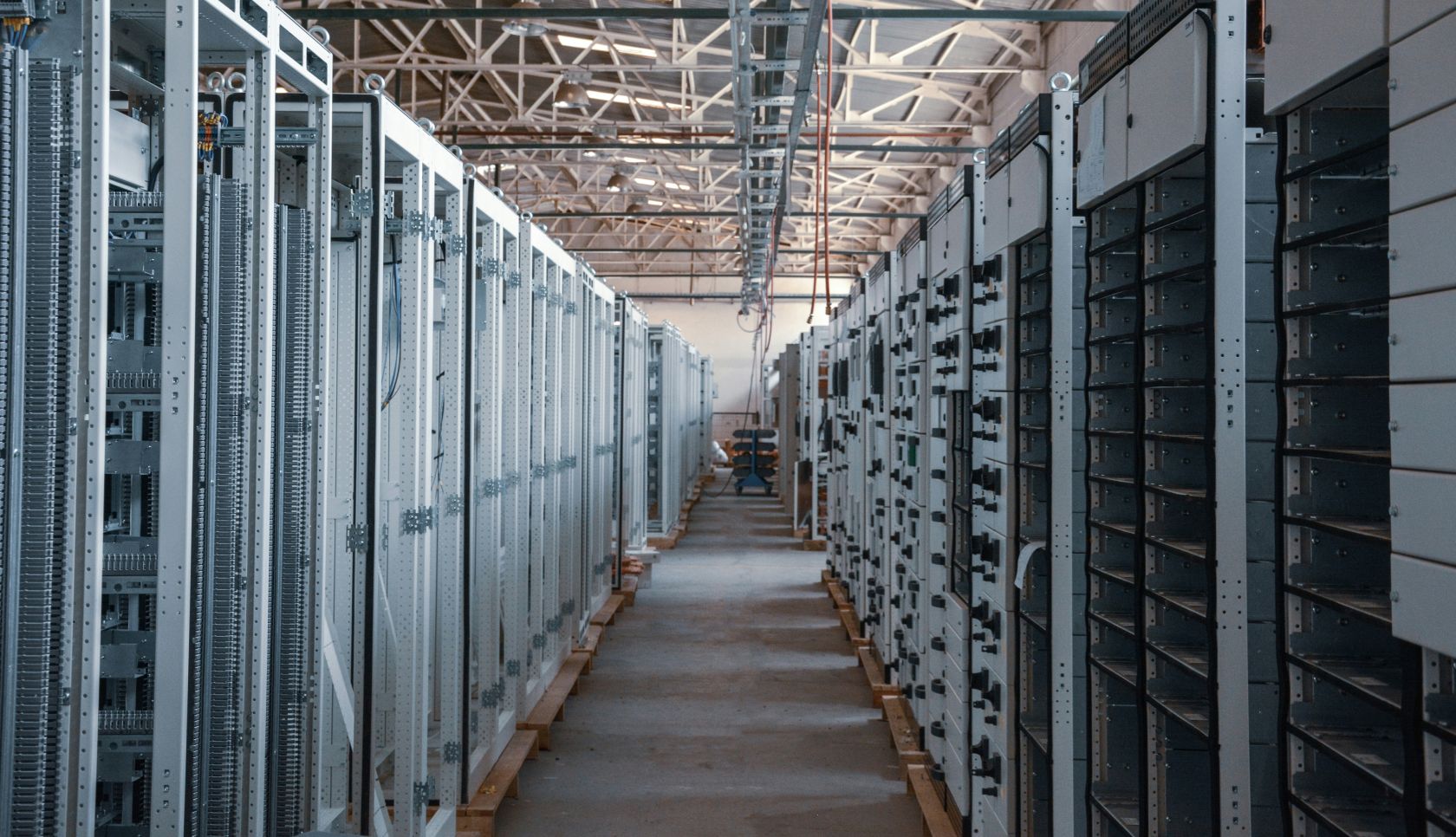
A data centre is not just a building full of servers. It is a platform for exporting digital services. It is an infrastructure that generates international turnover, attracts technology companies, creates innovation ecosystems and increases the demand for specialised professionals. Around it are engineers, programmers, cybersecurity specialists, system operators, consultants and researchers. The economic impact is not only measured by the initial investment. It is measured above all by the activity that has been developed for decades.
That is precisely why these projects are so important for the Portuguese economy. They allow you to create wealth based on knowledge, technology and advanced services. They also offer professional opportunities capable of retaining many of the talents who for years have sought a career abroad.
Of course, there are challenges. The electricity grid needs to continue to evolve. Licensing processes need to be faster. Universities need to train more professionals in technological areas. And the public administration will have to keep up with the speed that this new economy requires.
But, for the first time in many years, Portugal is in a privileged position. You're not just watching digital transformation. It is becoming part of it. Perhaps that is why we should pay more attention to this news. Because while we are often focused on the usual debates, a new economy is being born in Portugal. An economy that does not live in the past. An economy that is building the future.
Set The Portugal News as your preferred source for news on Google
 Add as a preferred source on Google








 Portugal Handbook
 English
 Nederlands
 Deutsch
 Français
 Español
 Italiano
 Svenska
 Pусский
 中文
中文 Türkçe
 Português
 Czech
Czech Hungarian
 Polski
 عربي
عربي Suomi
Suomi עִברִית
 Português (Brasil)
Follow us on social media