


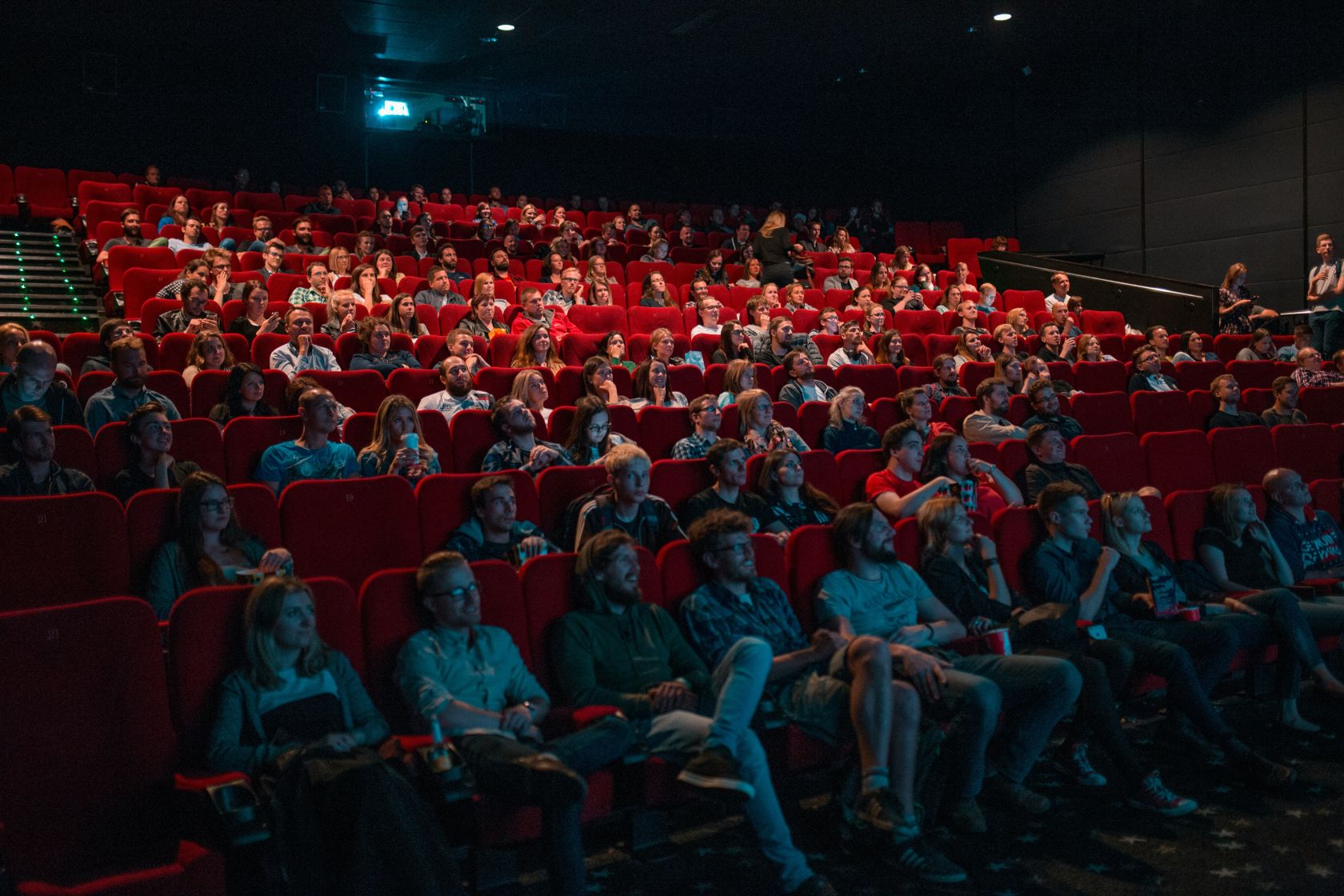
The official selection was chosen from 410 submissions, including domestic and international fiction films and documentaries produced for cinema and television, as well as visual arts works created in digital, video, or film formats, all centred on environmental themes, CineEco added in a statement.
In total, 106 films will be screened in Seia, with 87 of them competing in the festival’s six main categories.
In October, “Seia once again becomes the hub of international environmental cinema, with nine days dedicated to screening domestic and international films that raise awareness and foster reflection on today’s major environmental issues,” the organisers highlighted.
A highlight is the international feature film selection, bringing ten documentaries to Portugal for their national premieres; these films have previously won awards or been selected for prestigious festivals such as Cannes, Rotterdam, Visions du Réel (France), Sundance (USA), CPH: DOX (Denmark), and the Thessaloniki Film Festival (Greece).
These are “relevant environmental narratives covering economic models, new challenges in environmental activism, climate apartheid, environmental migration, species, habitats, and resource exploitation across five continents.”
Among the selections for 2026, CineEco highlights several films, including two works of fiction: On the Sea, in which Helen Walsh explores the tension between tradition and nature in a Welsh fishing community, and the French comedy L’Espèce explosive by Sarah Arnold, which focuses on the conflict between farmers, hunters, and wild boars.
In a festival dedicated to environmental themes, the threats posed by modernity and climate change feature prominently. Examples include the impact on ancient pastoral communities, portrayed in Let Our Mountains Live by Norwegian filmmaker Håvard Bustnes, which follows Sami reindeer herders fighting against Europe’s largest wind farm, and Iron Winter by Kasimir Burgess, which captures the unwavering commitment of two friends to protect two thousand horses during the harsh winter of the Mongolian desert.
Screenings in Seia will include various films addressing climate change and global warming, while also helping to identify contemporary traces of colonial power, understand conflicts arising from resource exploitation, and reflect on threats to sustainability and natural landscapes.
Other topics addressed include the actions of native peoples, dilemmas regarding resource management and urban planning, issues concerning aquatic ecosystems, matters related to Indigenous cultures and local activism, reforestation, the preservation of intangible heritage, and migration driven by environmental or social pressures.
Among the selected Portuguese-language films, a highlight is the national premiere of the speculative fiction film Yellow Cake by Brazilian director Tiago Melo—a project produced by Kléber Mendonça Filho and Emilie Lescaux, who were Oscar nominees for Secret Agent.
The Serra da Estrela International Environmental Film Festival also showcases films focused on the local protected area, featuring four films in competition and one out-of-competition entry: Lessons of Fire (Lições de Fogo) by John Webster, a documentary about wildfires in Portugal filmed in Castelo Branco and the village of Sabugueiro, in Seia.
A total of 144 filmmakers are involved in this edition.
CineEco, the Serra da Estrela International Environmental Film Festival, is one of the world’s oldest festivals dedicated to this theme; it has been held annually every October without interruption since 1995, an initiative of the Municipality of Seia.
Set The Portugal News as your preferred source for news on Google
 Add as a preferred source on Google






 Portugal Handbook
 English
 Nederlands
 Deutsch
 Français
 Español
 Italiano
 Svenska
 Pусский
 中文
中文 Türkçe
 Português
 Czech
Czech Hungarian
 Polski
 عربي
عربي Suomi
Suomi עִברִית
 Português (Brasil)
Follow us on social media