


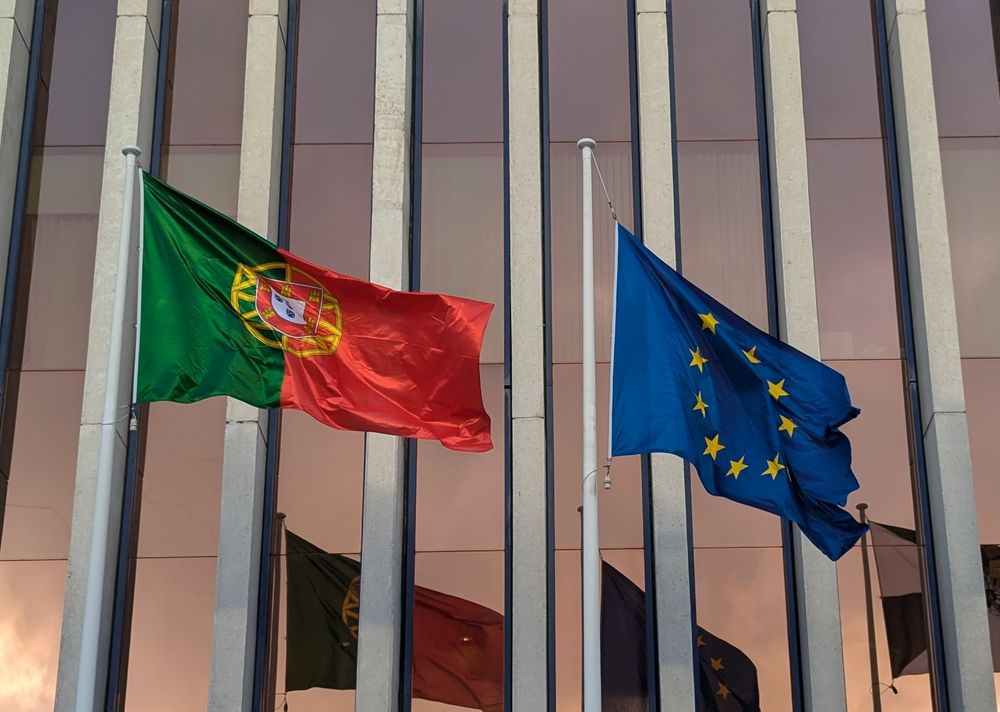
Of that total, €6 billion went into the capital of Portuguese companies and other entities, while €1.7 billion was invested in property.
France was the largest immediate source of the capital, contributing €7 billion, followed by Spain with €1.9 billion. Those individual totals exceed the overall €6.7 billion figure because FDI is measured as a net flow, and a €4.6 billion reduction in investment attributed to Luxembourg partially offset the gains elsewhere.
The rebound comes despite a year of change for one of the routes that has historically fed capital into the country. Portugal's Golden Visa eligible investment funds took in €283 million in new subscriptions between January and May 2026, according to the Portuguese Association of Investment Funds, Pensions and Assets (APFIPP), nearly three times the €94.7 million redeemed from those funds over the same period.
New capital arriving at close to triple the rate of outflows suggests the route continues to draw fresh interest even as some investors, many of whom committed capital in the previous 12 to 18 months ahead of changes to the Nationality Law, choose to exit.
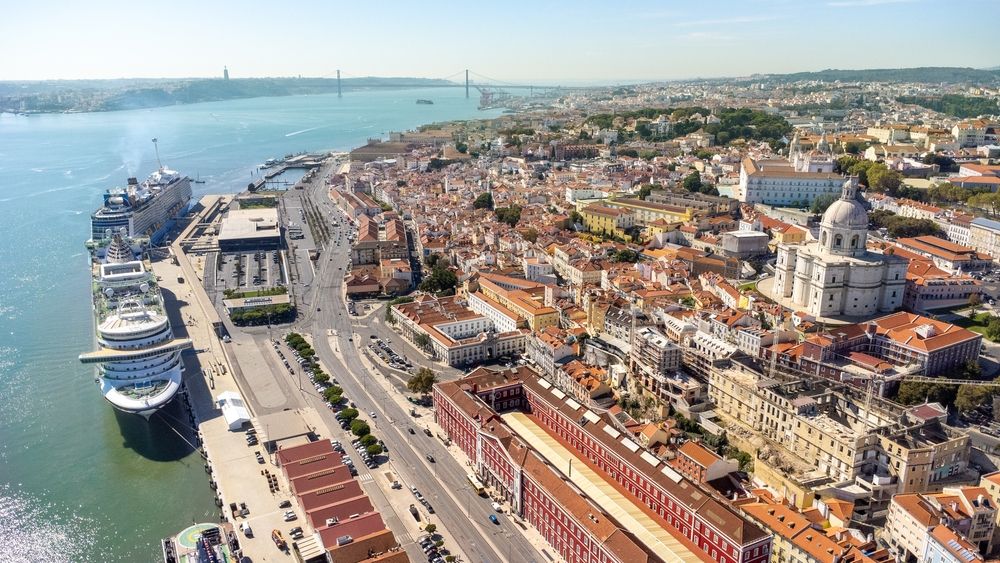
Paul Stannard, chairman and founder of Portugal Pathways and the Portugal Investment Owners Club, suggests the figures point to a programme doing the job it was designed to do. "Golden Visa capital keeps finding its way into Portuguese businesses and the wider economy, and that's exactly the kind of investment the scheme was set up to encourage," he said.
Taken together, the two sets of figures point in the same direction. Record foreign capital is arriving through the country's main investment channels, and the Golden Visa fund route remains a net contributor to that story.
Interested in finding out more about Portugal’s Golden Visa residency-by-investment programme? Click here.
Set The Portugal News as your preferred source for news on Google
 Add as a preferred source on Google






 Portugal Handbook
 English
 Nederlands
 Deutsch
 Français
 Español
 Italiano
 Svenska
 Pусский
 中文
中文 Türkçe
 Português
 Czech
Czech Hungarian
 Polski
 عربي
عربي Suomi
Suomi עִברִית
 Português (Brasil)
Follow us on social media