


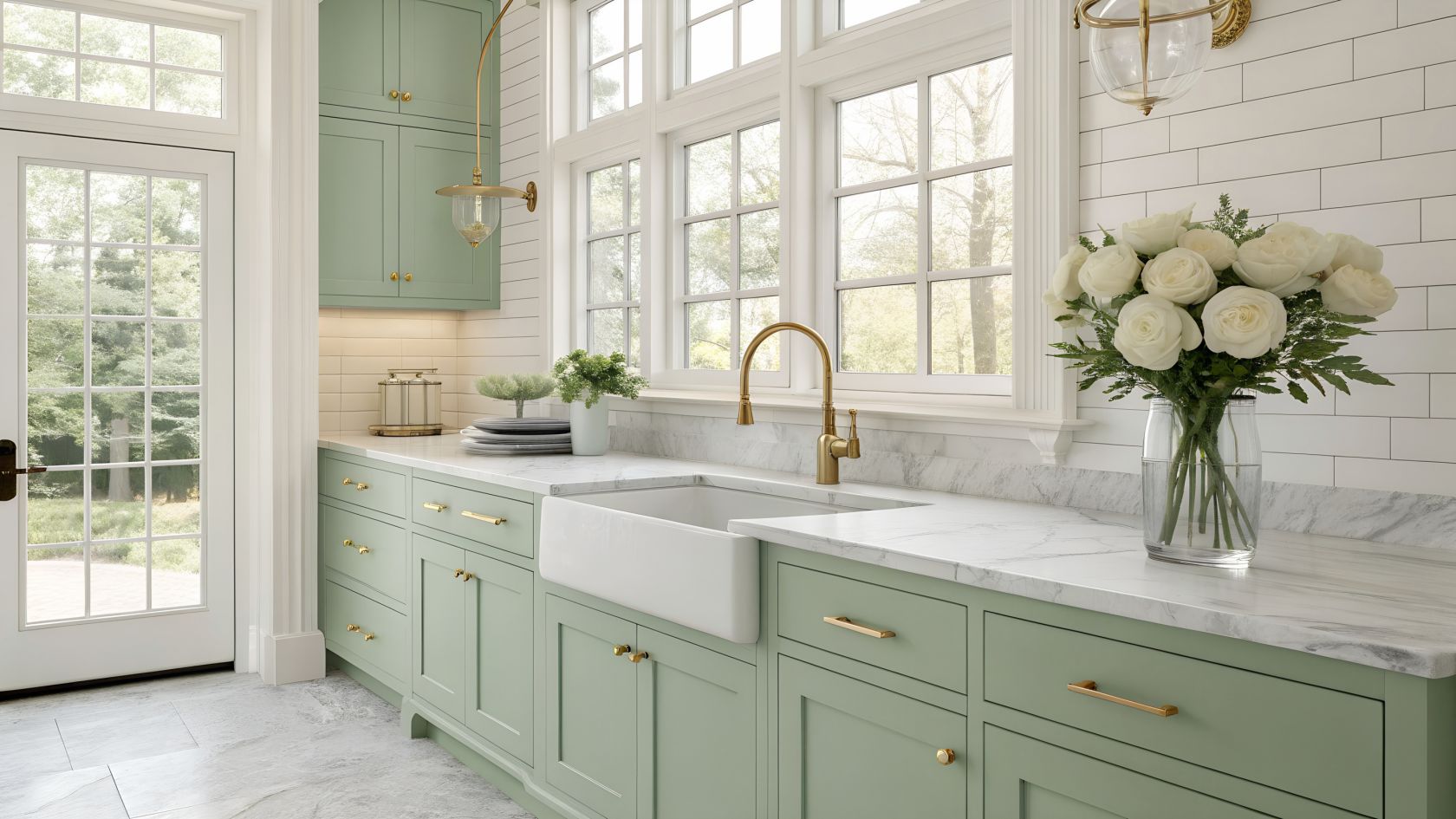
From sofa, lighting and distribution of furniture.
There are classic mistakes when organising a living room that can completely ruin the space's functionality: opting for a standard layout just to avoid a headache, assuming any sofa will do, or ignoring the importance of lighting in how the room is used.
According to an article published by the portal Idealista, these are four of the most common errors in planning and decorating the living room that can quickly tire you of the space.
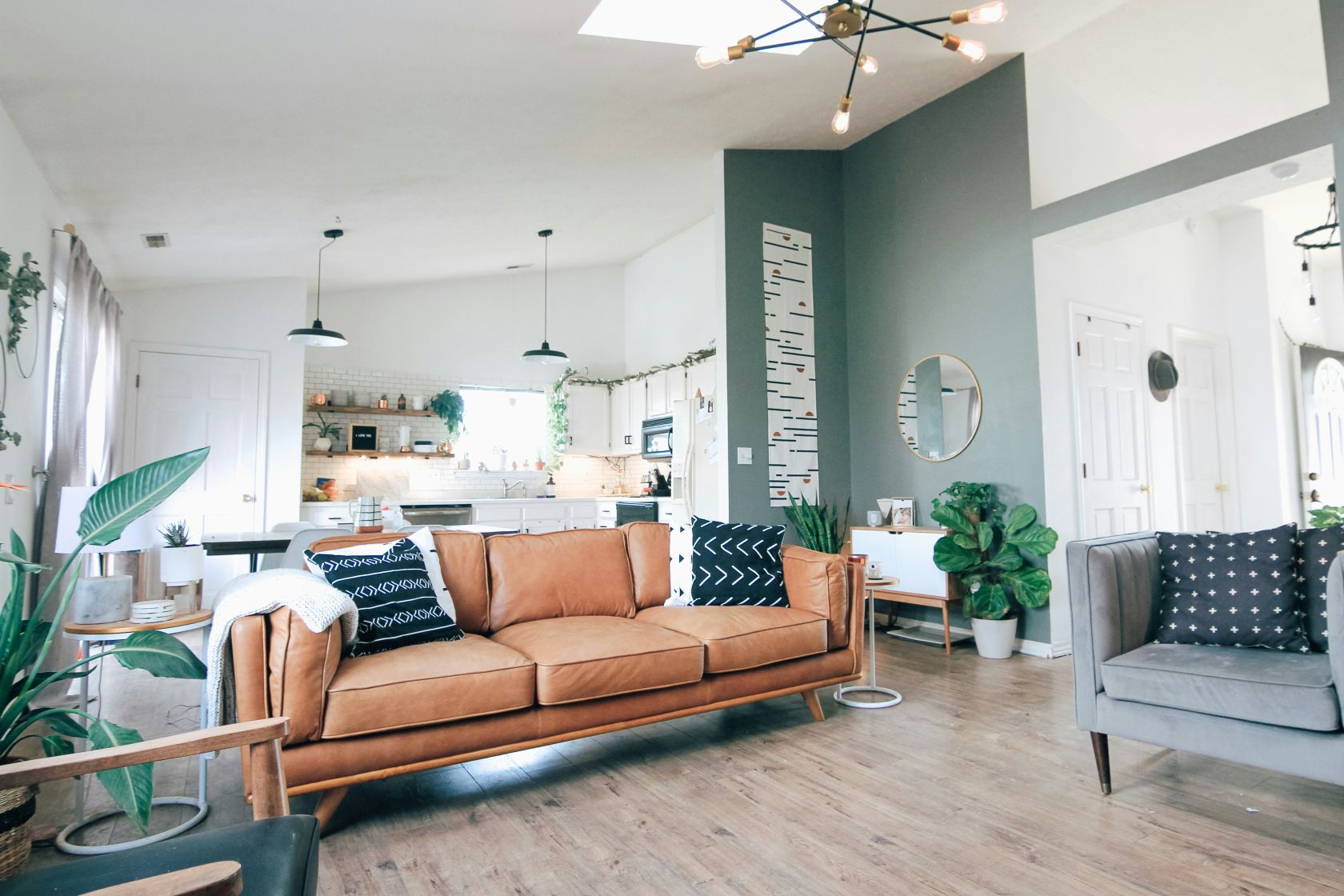
Organising the space
The first major mistake—and the most common one in interior design— is failing to clearly define how the space will be used.
The design varies drastically depending on whether the goal is to create a family gathering spot or a solitary retreat, or whether the priority is reading, conversation, watching movies, or gaming. The answers to these questions will dictate the choice of materials, colours, and seating capacity.
Another frequent error is designing the living room without considering the rest of the open-plan living area. In modern homes, the living room is often integrated with the kitchen and dining area.
Ignoring this connection compromises traffic flow and risks turning the living room into a mere passageway, a common issue in Portuguese two- and three-bedroom apartments with narrow layouts and light entering from only one side.
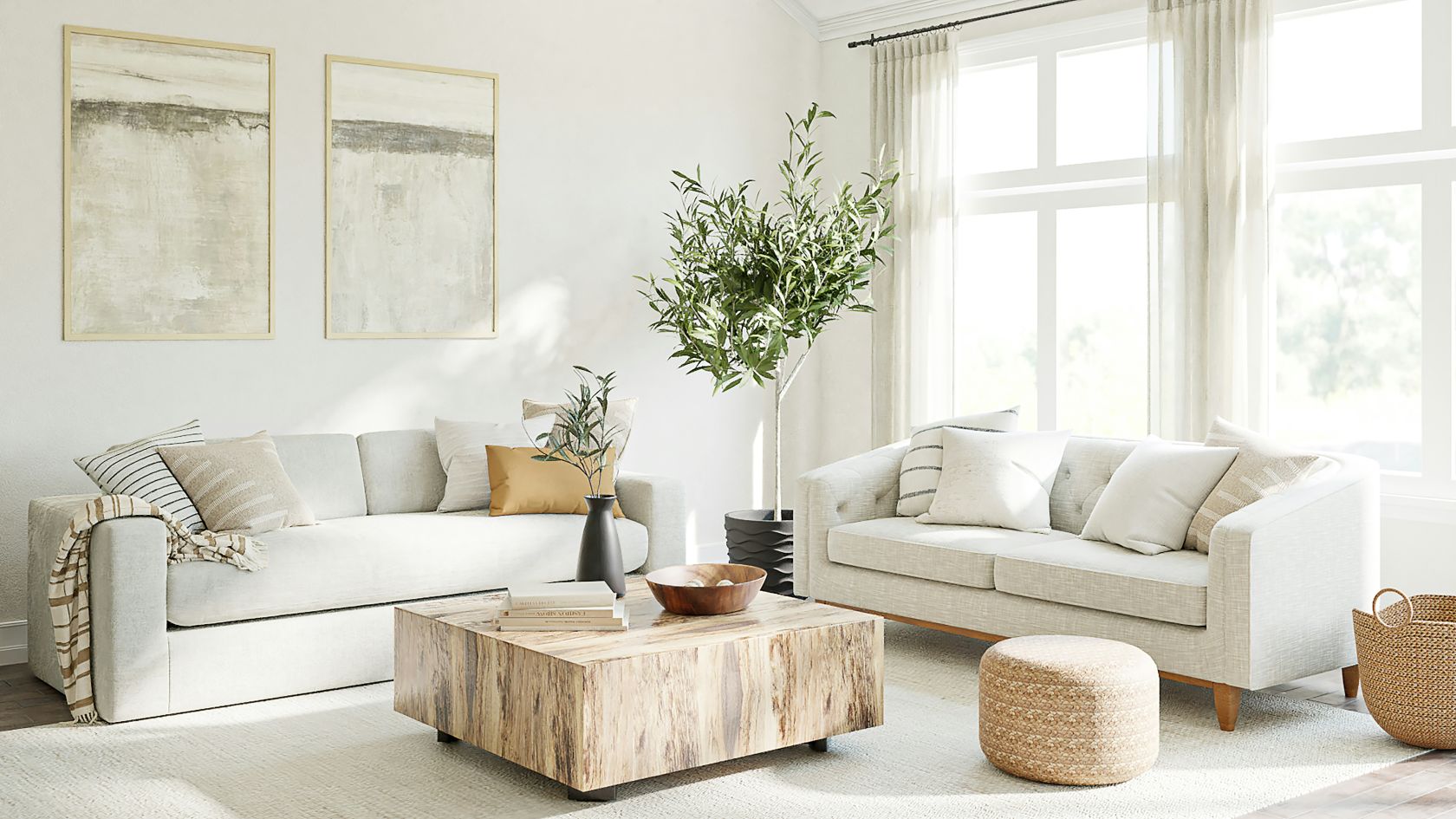
Considering the lighting
The layout should also take into account whether the room is used more during the day or at night in order to make the most of natural light.
Another recurring mistake is impulsively choosing an L-shaped sofa.
Although they appear comfortable, these models tend to dominate and take over the space.
Alternatively, opting for armchairs and smaller seating pieces creates a more welcoming and flexible atmosphere. It is also worth noting that arranging the entire living room around the television is a design choice that quickly becomes dated.
Finally, skimping on the lighting budget compromises the room's comfort as a relaxation area. The solution lies in combining three levels of light: general lighting via ceiling fixtures, accent lighting to highlight decorative elements, and indirect lighting using table lamps or LED strips—always adjusting the strategy based on the amount of natural light available. If the space feels dull, the problem may lie in incorrectly sized furniture or in these small details.
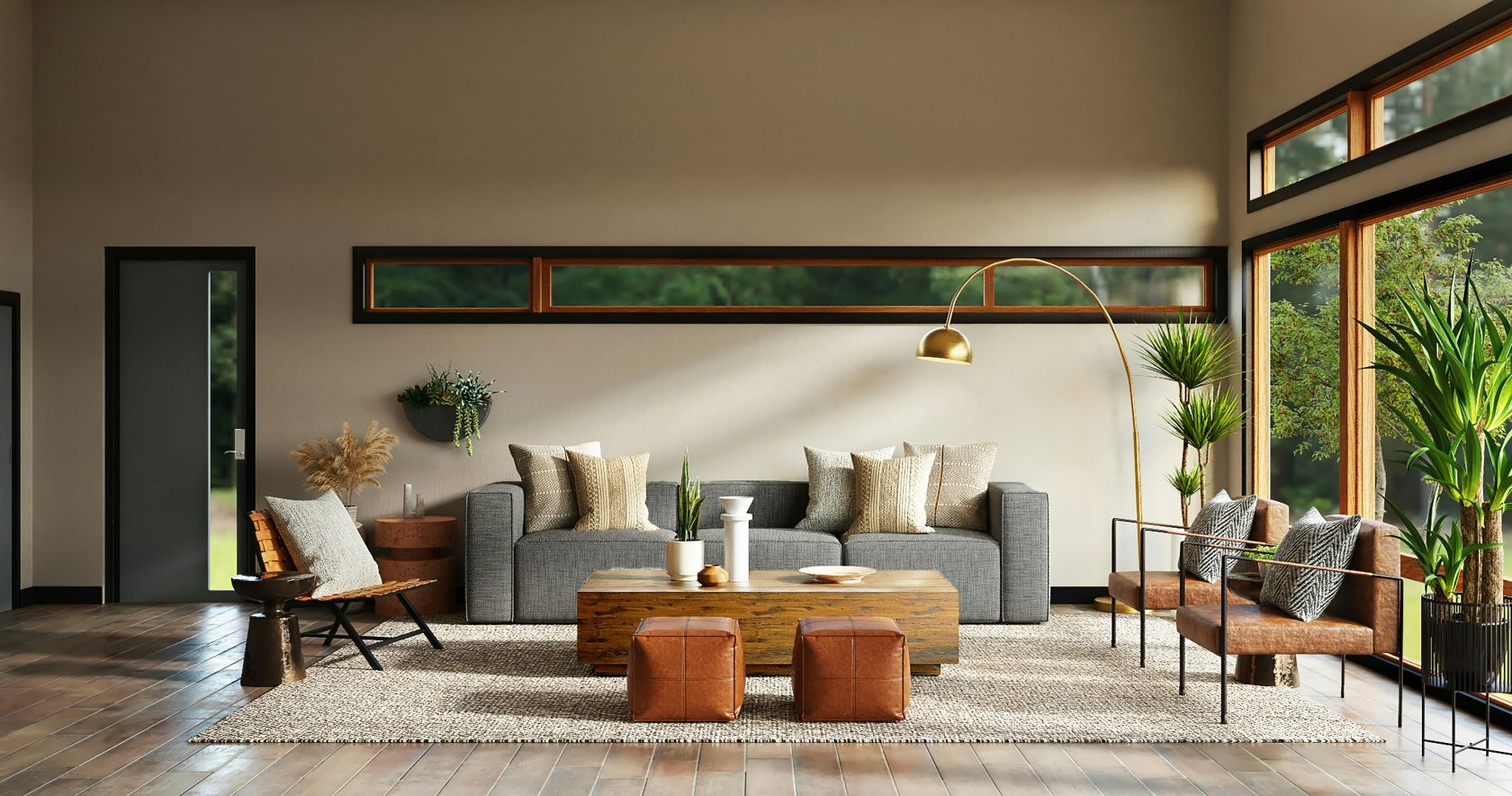
Other considerations
When a living room seems boring, the issue may not be the distribution, but details that make the decoration quite boring, such as the choice of furniture that may be too small for the space that is available.
Set The Portugal News as your preferred source for news on Google
 Add as a preferred source on Google








 Portugal Handbook
 English
 Nederlands
 Deutsch
 Français
 Español
 Italiano
 Svenska
 Pусский
 中文
中文 Türkçe
 Português
 Czech
Czech Hungarian
 Polski
 عربي
عربي Suomi
Suomi עִברִית
 Português (Brasil)
Follow us on social media