


I have eaten some very suspect-looking Asian food when travelling, and it is “suspect-looking” to my Western eyes because it may have been something I hadn’t been familiar with – for instance, shredded snake meat, which I would probably enjoy more without knowing what it was in the first place.
The French have their frog legs, while the Japanese have the deadly blowfish – a delicacy unless you eat the bits that contain tetrodotoxin (TTX), a potent, fast-acting neurotoxin that is up to 1,200 times deadlier than cyanide.
Surströmming, from Sweden, is said to be the smelliest food in the world, fermented in Baltic herring, and will likely make you retch or vomit if you aren’t used to it. Even the Scots have their haggis, made from – amongst other things - sheep's heart, liver, and lungs, which might turn people off just by naming the contents.
The Indians have a red ant chutney called Chaprah – created by crushing red ants and their eggs together with spices and salt, with the ants said to provide a natural, sharp tanginess from formic acid, and this chutney gained fame after a mention by celebrity chef Gordon Ramsay in his travels in India. Morocco might entice you to try something different with their sheep eyeballs, which are scooped out and eaten from a cooked sheep's head.
Strange Foods in Portugal
Food from different countries is often unrecognisable because it uses cuts of meat or vegetables that aren’t familiar to us. It is the same here in Portugal – there are some bizarre-sounding foods that I would find very strange, but hey, as the saying goes, I won’t knock it until I’ve tried it.
Maranho/Bucho: A traditional dish (particularly in regions like Sertã) where goat meat, chouriço, and rice are stuffed directly into a goat's stomach and boiled or roasted.
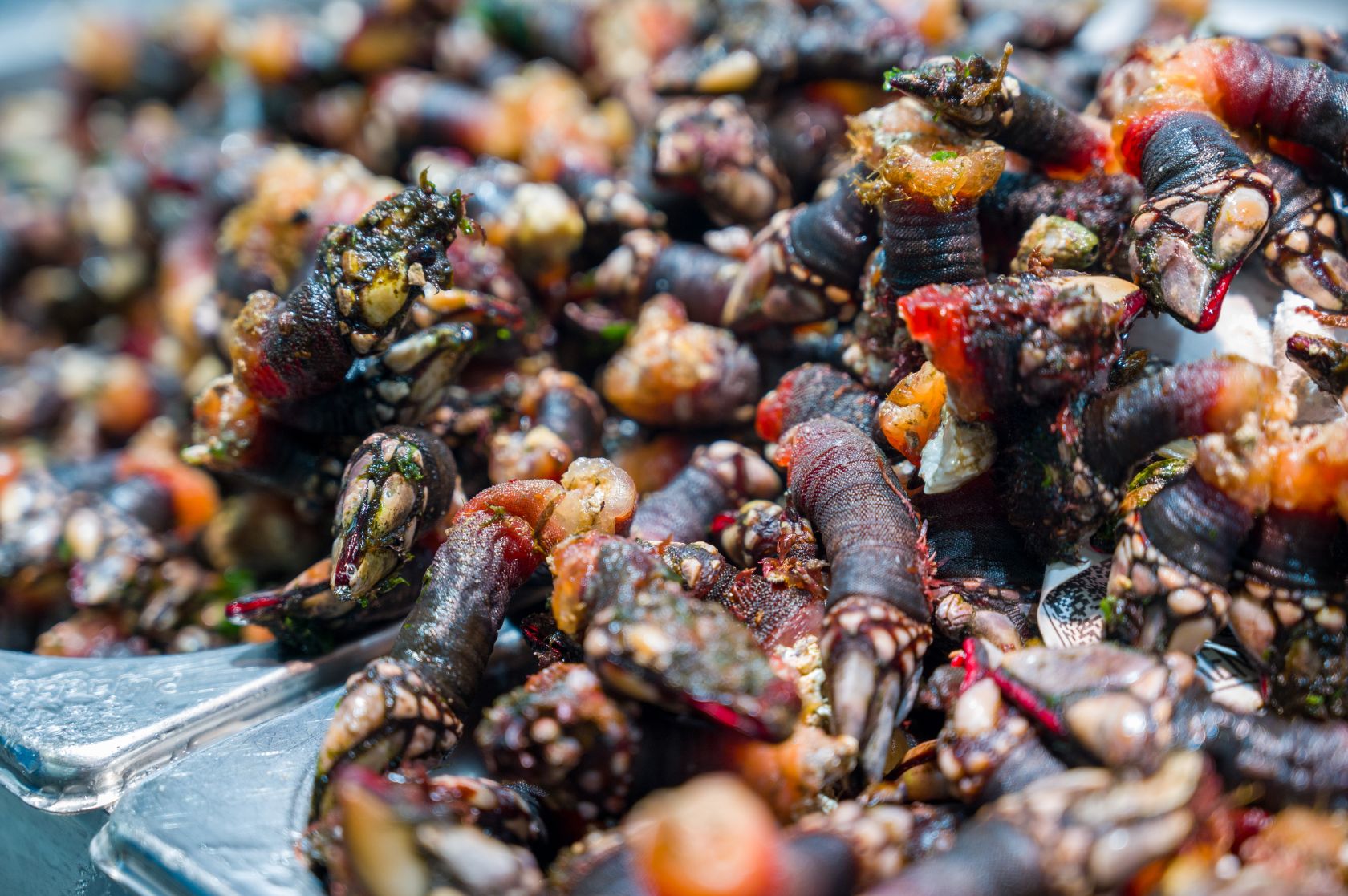
Percebes, or goose barnacles: Are pricey, prehistoric-looking crustaceans that resemble miniature dinosaur claws or hooves and are eaten by biting the tender meat out of the stem. They are expensive, as they can’t be farmed and have to be collected entirely by hand from dangerous, wave-battered rocky coastlines.
Chicken feet (Pipis): These are often used in traditional dishes in Portugal, and are sometimes slow-cooked alongside gizzards, livers, and necks. They have a high collagen content, which melts into rich gelatine when simmered. You might even find them marinated and grilled or braised with spicy Portuguese piri-piri sauce, garlic, and sweet paprika served as a snack, though these might be a rare find nowadays.
Alheira: I was introduced to this quite recently – a heavily smoked sausage that was originally created by Portuguese Jews during the Inquisition to mimic pork chorizo, but is actually made from a blend of bread, poultry, and game meats.
Punheta de Bacalhau: Despite its eyebrow-raising translation (I dare you to look it up), this is said to be a refreshing cold dish of shredded raw salt cod seasoned with olive oil, garlic, and onions.
Tripas à Moda do Porto: A famous northern comfort food featuring tripe (beef stomach) stewed with white beans, smoked meats, and carrots.
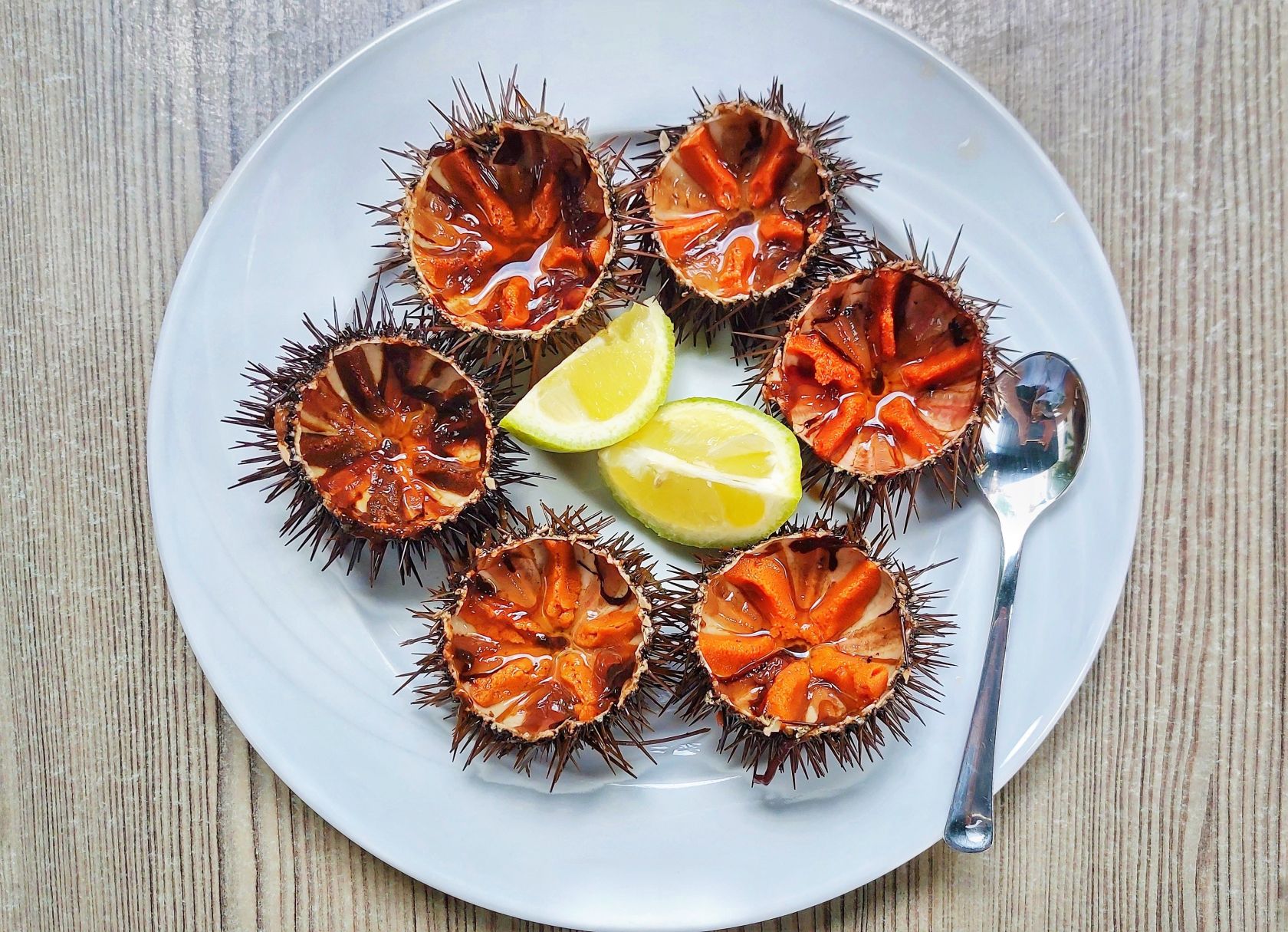
Ouriço do Mar (Sea Urchin): Often called ‘Portuguese caviar’, the spiky shell hides a creamy, intensely briny, bittersweet orange roe inside.
Sandes de Courato: A traditional stadium and festival food made from thick, grilled, garlic-and-wine-marinated pork skin (with occasional stray hairs intact) shoved into a crusty roll. Can't wait to try that one.
Some of these authentic home-cooked dishes may not find their way onto standard restaurants' menus, but can sometimes be found in local neighbourhood restaurants, rustic family kitchens, or regional daily-special boards.
A traditional snack you can pick up ready to eat is Tremolos - Lupini beans, which are traditional in Portugal, usually pickled and served alongside a beer or wine. No fork needed - these high-protein beans are eaten with your fingers by biting or nicking the outer skin, then gently squeezing the soft yellow bean out into your mouth. Low-fat, vegan, vegetarian and gluten-free – they must be good for you too!
Set The Portugal News as your preferred source for news on Google
 Add as a preferred source on Google


 Portugal Handbook
 English
 Nederlands
 Deutsch
 Français
 Español
 Italiano
 Svenska
 Pусский
 中文
 Türkçe
 Português
 Czech
 Hungarian
 Polski
 عربي
 Suomi
 עִברִית
 Português (Brasil)

Follow us on social media