


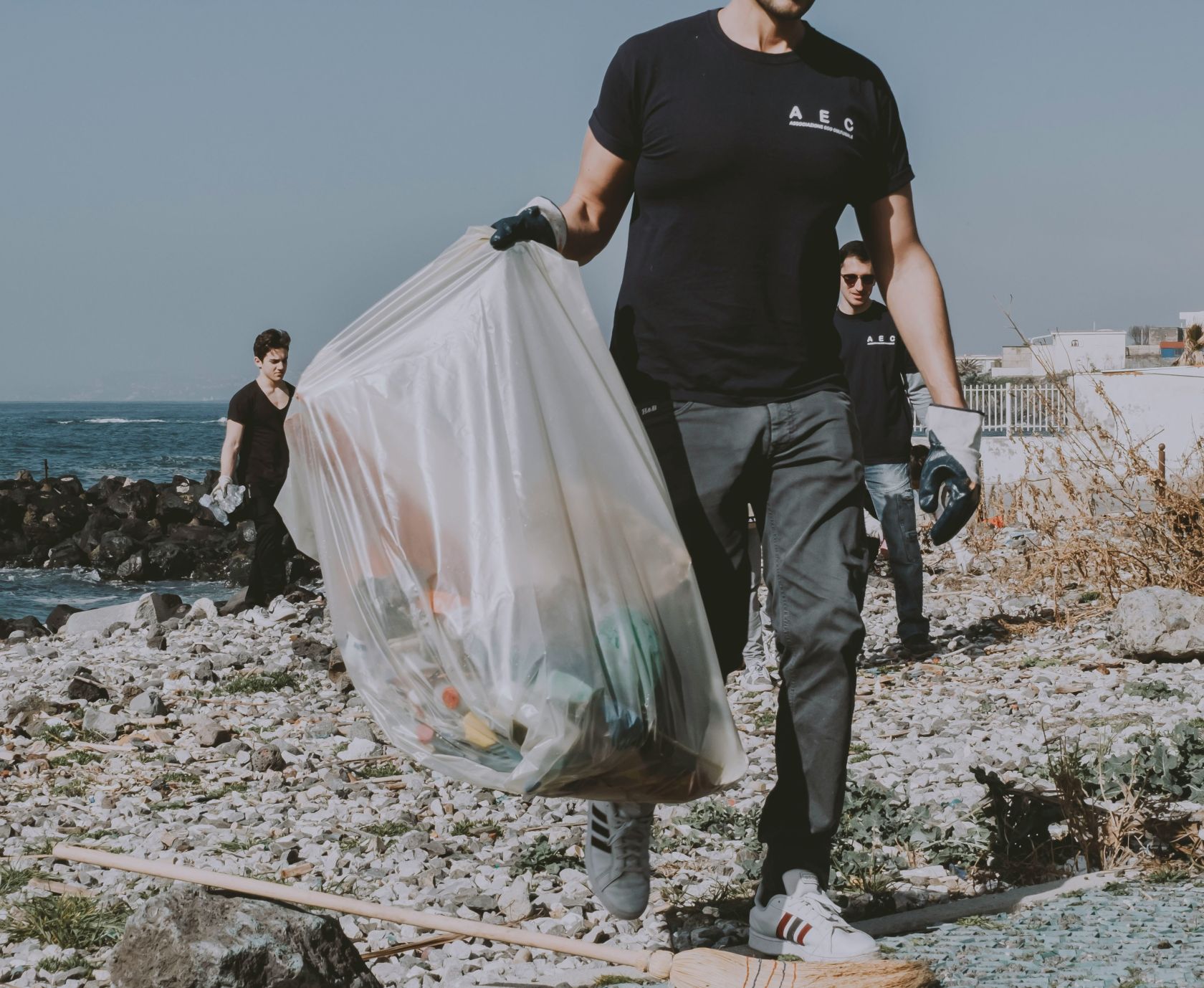
The initiative, developed in partnership with the environmental organisation Zero, will support up to five Portuguese municipalities between 2027 and 2029 in reducing waste generation and improving selective waste collection. In a statement, the organisation said the project is intended to “help local authorities to reduce the amount of waste produced and going to landfill and to increase the level of selective collection of packaging and other materials”. It will also act as a catalyst for the achievement of the ‘Zero Waste Cities’ international certification.
Applications are open from this Tuesday until 28 February 2027. The programme is for municipalities across mainland Portugal and the autonomous regions who would like to embark on this journey of sustainability; it is also open to local authorities who are already in the process of doing so, enabling them to benefit from Electrão's communication campaigns and activities. The five selected municipalities will be provided with specialist technical support to develop and implement waste prevention, reuse and recycling plans. They will also be fully covered for certification and audit costs until the end of 2029 and will receive annual funding (ranging from 3,000 to 9,400 euros, depending on population) to cover local training and awareness activities.
The 'Zero Waste Cities' accreditation (run by the Mission Zero Academy (MiZA)) currently has over 400 European cities involved (including 11 Portuguese territories that have already applied). It looks at actual policies in place on single use product reduction, repair and separate waste collection and gives out a rating from one to five stars (subject to independent audits every three years). As an incentive, the first Portuguese city to achieve this by 31st December 2029 will receive a €30k cash prize.
This is very much the case at a time when the national stats are very much in line with the EU targets. Electrão's figures for 2025 show Portugal produced some 5.67 million tonnes of urban waste, with over 50% of that going to landfill. The rate of preparation for reuse and recycling was only 39% (well short of the 55% target). On packaging, the national system sent in 532k tonnes for recycling (a 3% increase on 2024) but the overall recovery estimate was 60.5% which is still below the current EU target of 65% (the EU target is set to rise to 70% by 2030). The organisation therefore states that "improving these results will require a greater emphasis on separate waste collection and on engaging the public" and that this will require a very close working relationship between local authorities and the urban waste management systems.
The official launch of the programme will be at 2.30pm this Tuesday at the Landscape Lab in Guimarães. Guimarães is the European Green Capital 2026 and is one of the national candidates in the network. The session will be a joint event with national and international partners to showcase best practice examples from across Europe. The Italian town of Capannori is one such example, having achieved an 88.8% separate collection rate in 2024 and a 24% reduction in unsorted waste per capita. Ljubljana, in Slovenia, is another example with a 68.9% separate collection rate in 2024.
Set The Portugal News as your preferred source for news on Google
 Add as a preferred source on Google


 Portugal Handbook
 English
 Nederlands
 Deutsch
 Français
 Español
 Italiano
 Svenska
 Pусский
 中文
 Türkçe
 Português
 Czech
 Hungarian
 Polski
 عربي
 Suomi
 עִברִית
 Português (Brasil)

Follow us on social media