


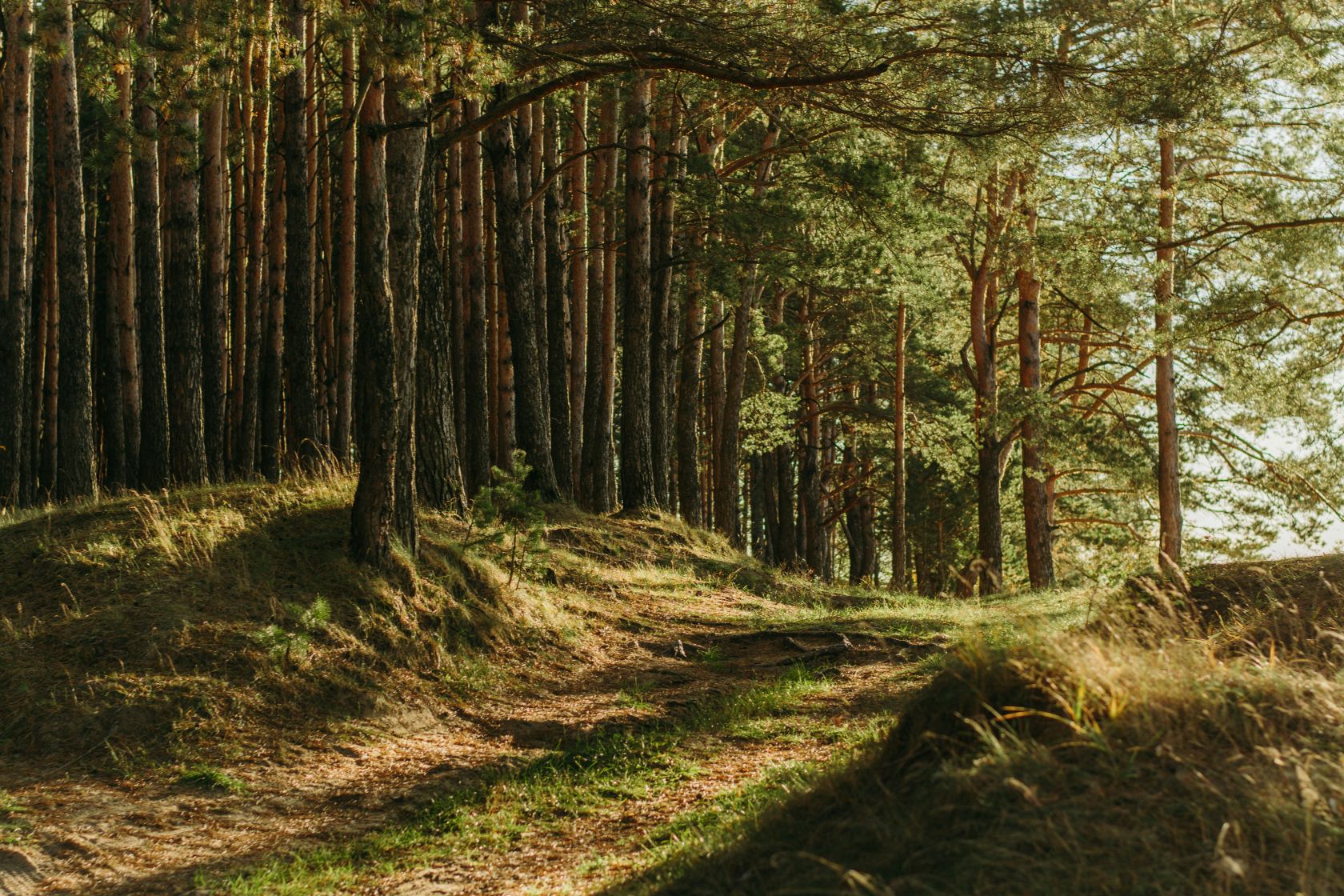
The project, which began in May, involves urgent forest management and ecological restoration in the Valado dos Frades forest and at the base of Monte de São Bartolomeu—a site the WWF (World Wide Fund for Nature) describes as “a true island of biodiversity.”
The 25-hectare area sustained significant damage—including the felling of many trees—during Storm Kristin this past January. According to Ângela Morgado, Executive Director of WWF Portugal, the initiative “originated from a proposal by Lidl Portugal.” The supermarket chain is funding the €100,000 project.
Restoration work commenced in May with the removal of woody debris and the repair of trails leading to Monte de São Bartolomeu. This site hosts an annual pilgrimage and the traditional festival of Saint Blaise (São Brás) on 3 February, an event that marks the beginning of the Carnival season in Nazaré, located in the district of Leiria.
The project will continue until May next year and will include removing invasive species—such as acacia and ice plant (Carpobrotus edulis)—and planting native species that are “more resilient to fire and climate change,” WWF experts explained.
The reforestation efforts will focus on species including the maritime pine (pinheiro-bravo), strawberry tree (medronheiro), kermes oak (carrasco), and mock privet (aderno), among others. The project is part of the D-Evolução initiative, promoted by WWF Portugal in partnership with organisations and companies that fund environmental restoration and ecosystem regeneration interventions across the country.
“This initiative has identified priority areas for restoration,” Ângela Morgado told the Lusa news agency, noting that through this effort, the organisation also “aims to signal to the Government—which is currently working on a National Restoration Plan—which areas should be prioritised for intervention.”
According to Morgado, the WWF is currently carrying out “a project in Peneda-Gerês National Park,” where funding from several companies is enabling interventions across “more than 40 hectares,” with an investment of approximately “400,000 euros.”
In the Serra do Caldeirão—where a restoration project funded by a U.S.-based foundation was already underway—the WWF has launched “another restoration project, in partnership with Brisa and an individual donor (a foundation),” valued at 120,000 euros.
With an investment of the same amount, but involving different objectives and methods, the WWF is developing a two-year project in the Tagus Estuary. This initiative, as explained by Ângela Morgado, is based on “installing structures made from old supermarket carts—donated by Lidl—to provide a habitat for seahorse populations.”
Furthermore, in the wake of storm damage earlier this year, the WWF will soon launch a recovery project in the Serra do Montejunto, Morgado added.
Set The Portugal News as your preferred source for news on Google
 Add as a preferred source on Google


 Portugal Handbook
 English
 Nederlands
 Deutsch
 Français
 Español
 Italiano
 Svenska
 Pусский
 中文
 Türkçe
 Português
 Czech
 Hungarian
 Polski
 عربي
 Suomi
 עִברִית
 Português (Brasil)

Follow us on social media