


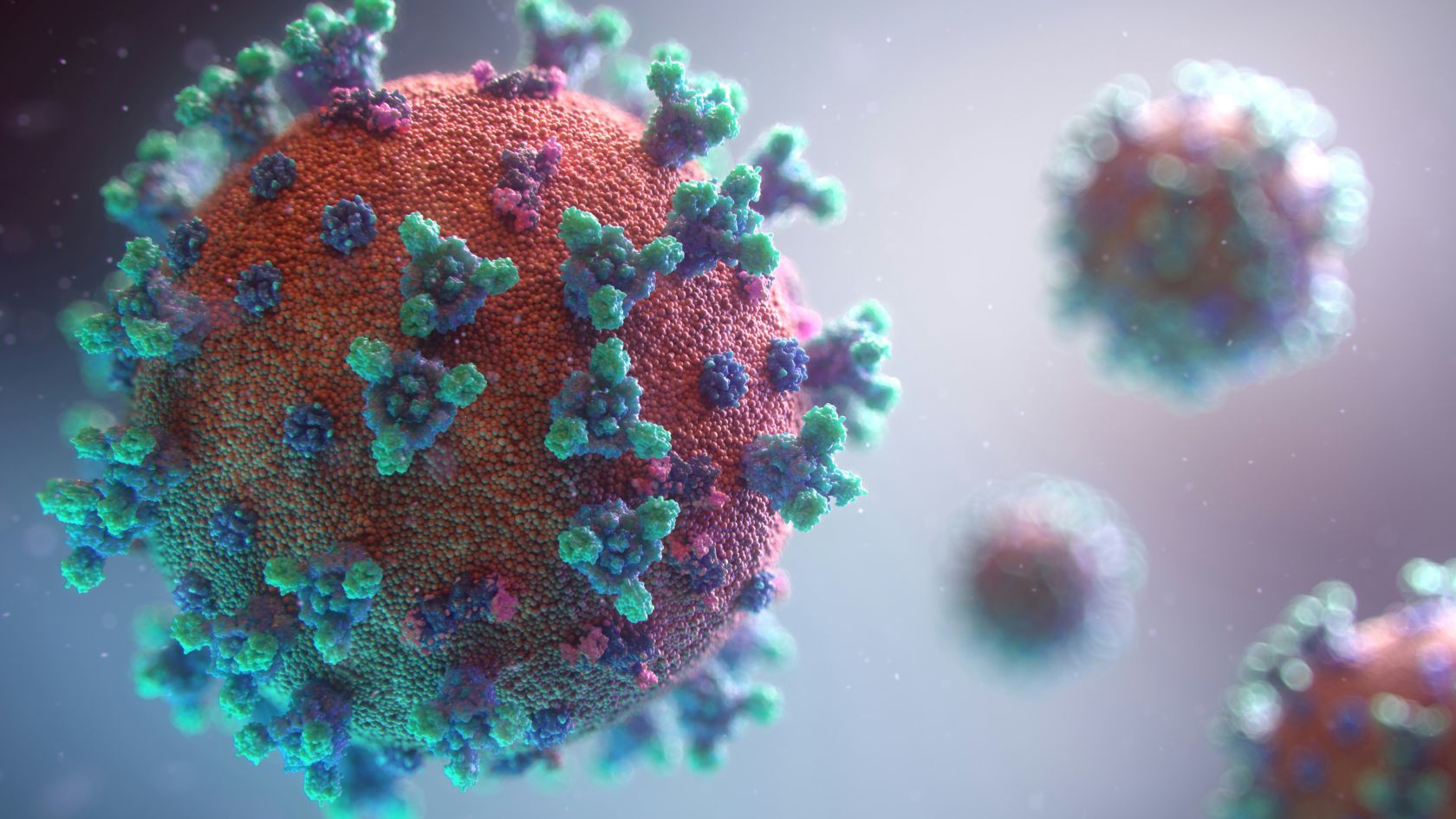
It has features which may lead to increased transmissibility and faster spread of the disease. First identified in Canada in May 2026, the variant has since been detected in Spain, France, the Netherlands, the US, Brazil, Israel, Australia and New Zealand.
As reported in a data release by the journal News Medical Life Sciences, the key difference in the PJ.2.1 variant is in the spike protein, which has a higher affinity for binding to the receptors on the surface of human cells, thus enabling more efficient infection.
In all other clinical terms, the variant is very much like the other sublineages that the public has seen; there is no evidence to suggest it is any more or less severe in terms of the illness it causes.
The classic symptom profile remains the same: fever, cough, sore throat, nasal congestion/runny nose, headaches, myalgia, fatigue and changes to the sense of taste and smell.
Despite the increased transmissibility of this variant, the current booster vaccines are still effective at neutralising the virus according to the research. As per the research cited by News Medical Life Sciences, "the results suggest that vaccination does protect against the PJ.2.1 variant.
The situation could, of course, change if the variant acquires further mutations which would enable it to escape the immune response."
In Portugal, the seasonal COVID-19 immunisation campaign has now seen over 884,000 people immunised between 30 September and 15 November 2026.
The importance of this monitoring is underlined by the latest WHO data, which shows 719 deaths in 31 countries between 21 September and 18 October, an increase on the 542 deaths in the previous 28 days, with seven countries in Europe and the Americas seeing a rise in mortality of over 10% and the majority of those deaths being in the 65+ age group.
Set The Portugal News as your preferred source for news on Google
 Add as a preferred source on Google


 Portugal Handbook
 English
 Nederlands
 Deutsch
 Français
 Español
 Italiano
 Svenska
 Pусский
 中文
 Türkçe
 Português
 Czech
 Hungarian
 Polski
 عربي
 Suomi
 עִברִית
 Português (Brasil)

Follow us on social media