


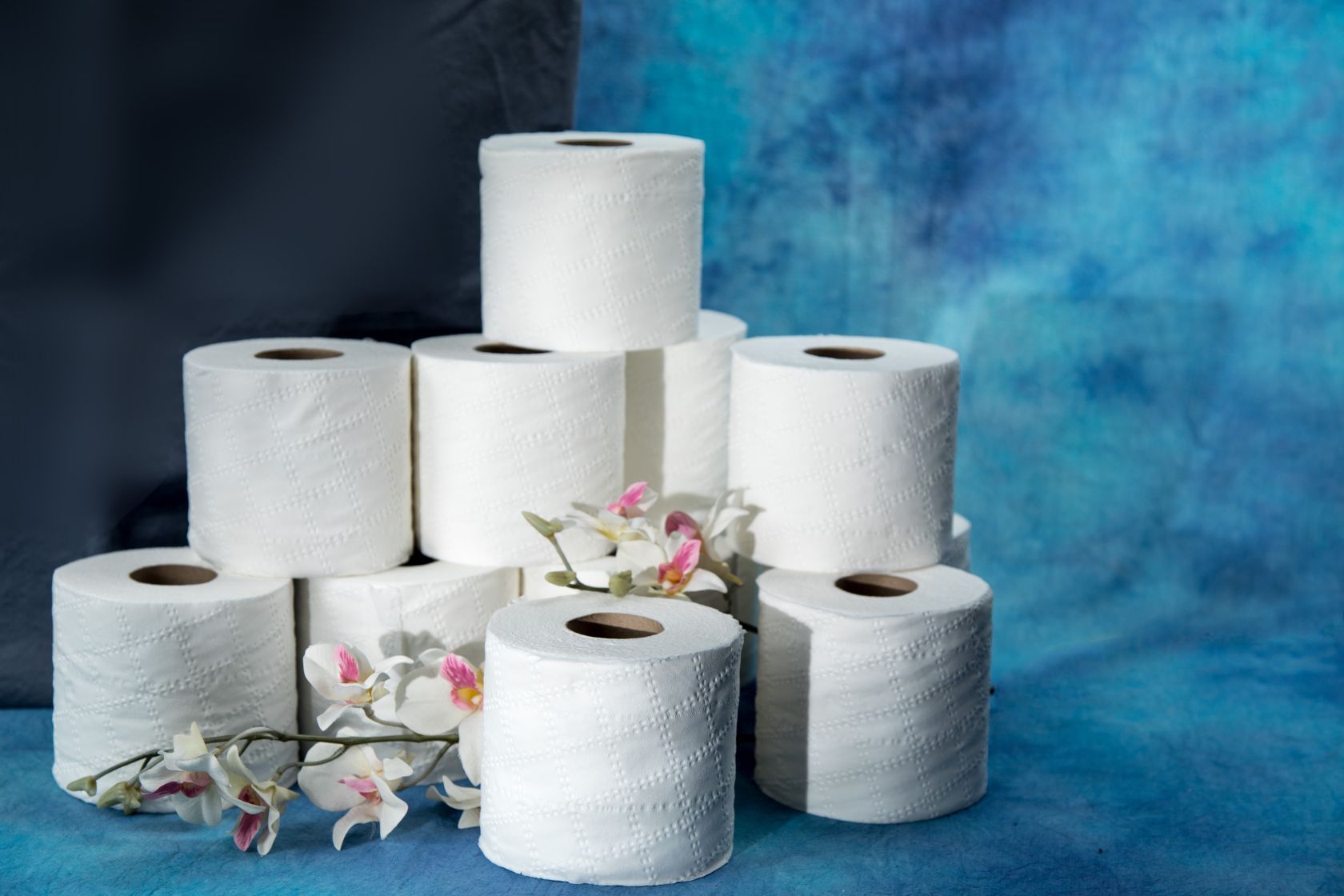
It’s started again. Last time it was COVID, and toilet paper almost became a currency. I had images of shady-looking characters on street corners - raincoats bulging with toilet rolls – shiftily flashing the insides of their grubby trench coats where 3-ply extra-soft toilet rolls were lurking, ready for trade.
Overall, stockpiling toilet paper was nuts, but for some it seemed perfectly rational, because no one wanted to be left behind (pardon the pun) without any toilet paper. Can you imagine it - home heating bills might go down because you have to line the house with loo rolls, as the cupboard under the stairs already had enough in it to cover a typhoid outbreak?
Is hoarding really necessary?
Very often, it starts with buying a few extras “just in case”, but it can start a cycle.
When people see empty shelves or hear news reports of low stock, the fear of missing out kicks in, driving even the rational among us to grab extra packs “to be on the safe side”. Initial fears can cause a surge that turns into panic buying. Loo paper is extremely bulky, and even if only a small percentage of shoppers buy extra, the shelves might seem to empty very fast. The stark sight of bare shelving triggers an alarm bell in people's minds. Nobody wants to be left using old newspapers or rationing what they have left!
During a panic or emergency, bottled water, bread, milk, eggs, meat, tinned goods, and baking supplies could vanish from shelves just as quickly as toilet paper, which I can understand.
There is sense in stocking up on non-perishable and tinned goods, and I guess there is nothing wrong with adding a few extra cans of baked beans to your weekly shop and tucking them away. Dry goods such as pasta and rice are good to hide away too, not to mention batteries and coffee and tea, long-life milk, the kids’ favourite cereal, hygiene products, pet food, chocolate – goodness me, the list goes on, and I would hate to be accused of starting a shortage of any of these items just by writing about them.
Shortages do not just happen
Shortages happen quickly when people start buying things they do not immediately need.
When people are scared and are understandably worried that they will not be able to get what they want or that the prices will go up, they buy a lot of things before they really need them.
People overreact, and stocking up on supplies is a valid response when people are forward-thinking and planning for a possible situation. It may also be a herd response, one driven by imitating what others do – you might hear about loo paper flying off the shelves and want to get in on the act yourself.
Toilet paper reward
I read somewhere recently that during COVID, an enterprising UK arcade owner took advantage of the game where, for a coin, a giant “claw” drops inside a glass cabinet to try and grab a fluffy toy, but this time he filled the cabinets with rolls of toilet paper for prizes!
Other similar vending machine owners joined in on the joke, with some adding in hand sanitiser or basic personal hygiene products to be “grabbed”.
In all seriousness, loo paper isn’t even used in some cultures, and the bidet comes into its own – in reality, it’s not somewhere to keep the spare rolls, or somewhere to wash your feet after a day at the beach, but a simple plumbing device that cleans your “important places” with fresh water far more thoroughly than toilet paper anyway.
In the back of my mind is a little quiver of anxiety that I might not be prepared as I should be, and that I should pay attention to what the world is doing. But then I thought - you know what - if there is a disaster looming, such as WW3, extra loo rolls will be absolutely no use against, say, a nuclear war. It will get frizzled up just as fast as we will.
Set The Portugal News as your preferred source for news on Google
 Add as a preferred source on Google







 Portugal Handbook
 English
 Nederlands
 Deutsch
 Français
 Español
 Italiano
 Svenska
 Pусский
 中文
 Türkçe
 Português
 Czech
 Hungarian
 Polski
 عربي
 Suomi
 עִברִית
 Português (Brasil)

Follow us on social media