


The Ministry of Internal Administration (MAI) and the National Republican Guard (GNR) recommend maintaining a 72-hour emergency kit to sustain a household during storms, floods, or temporary power and water outages.
A well-prepared kit ensures families receive essential items while they wait for services to be restored or emergency assistance to arrive. Experts suggest starting with water and non-perishable food. Each person should have at least three litres of drinking water per day, along with uncooked foods such as canned goods, energy bars, and dried fruit. It is important to check and rotate these supplies regularly to keep them fresh.
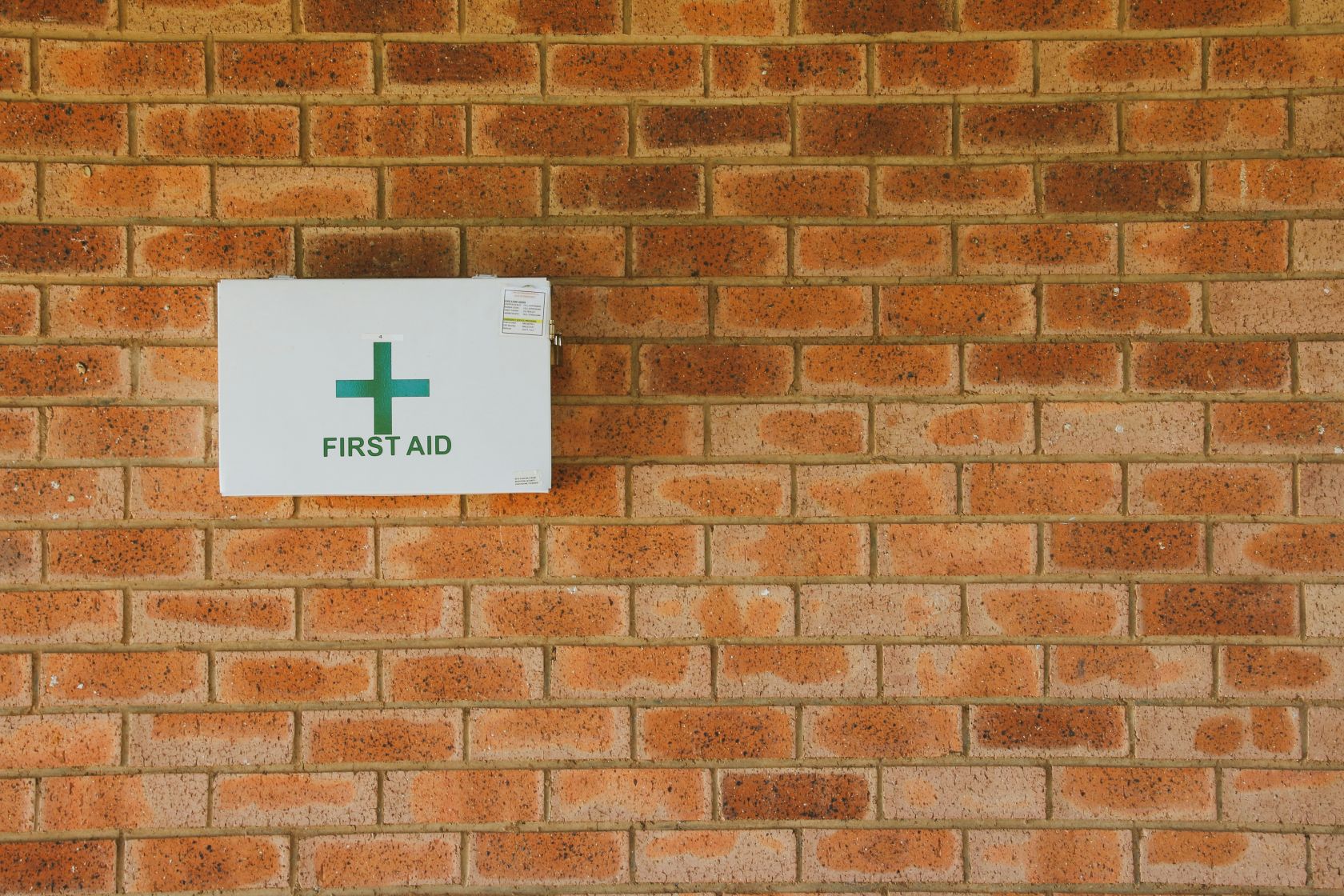
First-aid kit
An emergency kit isn't complete without a well-stocked first-aid kit. It should include essentials like bandages, antiseptic wipes, and scissors. Any medications your family relies on daily must be included. Painkillers or allergy medicines can also be lifesavers when unexpected situations arise. The GNR stresses that each kit should reflect the specific needs of your household—paying close attention to children, elderly family members, or anyone with ongoing health conditions.
Stay connected
Just as important are reliable ways to see and stay in touch. Flashlights, extra batteries, a small radio, and a power bank for your phone can make a huge difference if the electricity goes out or phone lines fail. Keeping these items in waterproof bags is especially smart in areas that flood easily, so you know they’ll work when you need them most.
Keep warm
You’ll also want to think about clothing and bedding. Warm, layered clothes, waterproof jackets, sturdy shoes, and blankets or sleeping bags can keep everyone safe and comfortable if the weather turns bad. Experts point out that layering is far better than a single heavy coat—it traps heat more effectively and dries faster if it gets wet.
Documents ready
Finally, don’t forget the paperwork and practical extras. It’s important to get copies of important documents. These include ID cards, insurance papers, and medical records. The best option is to keep them in waterproof folders. Add hygiene items, and several tools: a whistle, a pocketknife, a local map, and some cash. It is helpful to keep emergency contacts and instructions in a small notebook, especially if phones or the internet aren’t working.
Easy access
Officials also note that your emergency kit should be kept in an easily accessible place so that all household members can access it quickly. It’s equally important to check it regularly and replace any expired items or worn supplies. As the seasons change, adjust the kit—adding warmer clothing in winter or extra water and sun protection in summer—so your family is prepared for any season.
By taking the time to prepare a 72-hour emergency kit, Portuguese families can face extreme weather with increased confidence and safety. While no one can prevent natural disasters, being prepared is a step everyone can take to protect their family.
As the GNR reminds citizens, preparation is not simply a recommendation—it is an essential measure that can save lives when every hour counts.








 Portugal Handbook
 English
 Nederlands
 Deutsch
 Français
 Español
 Italiano
 Svenska
 Pусский
 中文
中文 Türkçe
 Português
 Czech
Czech Hungarian
 Polski
 عربي
عربي Suomi
Suomi עִברִית
 Português (Brasil)
Follow us on social media