


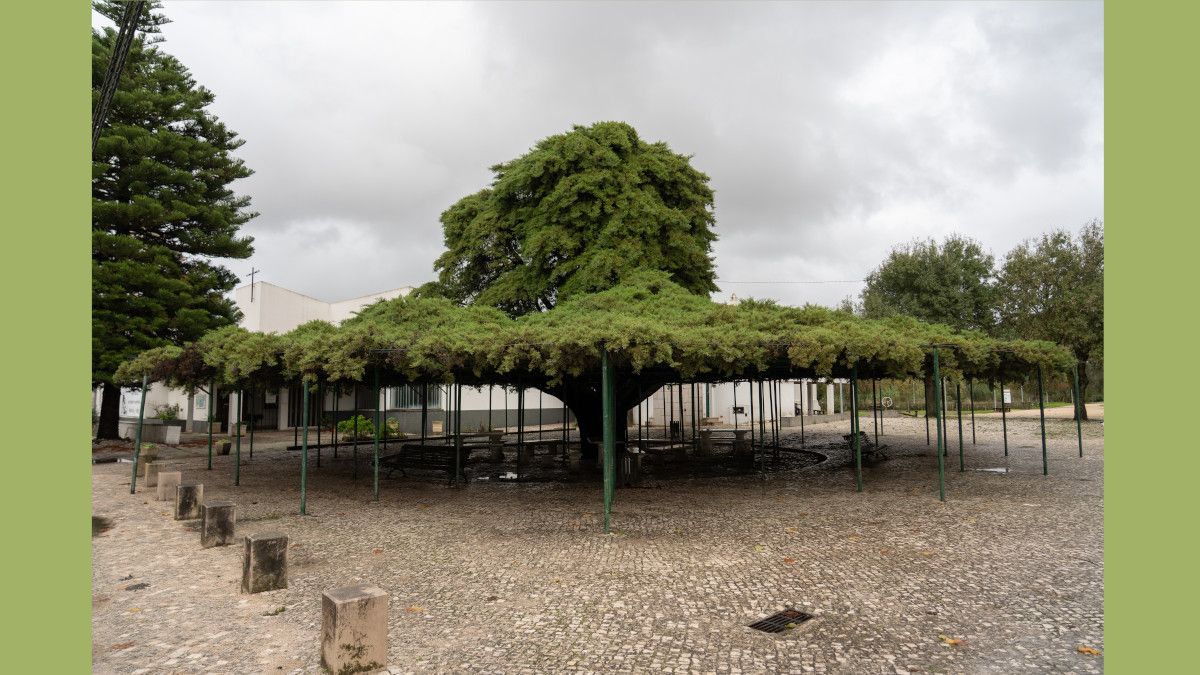
The Cedar of the Church of Runa, located in Torres Vedras, represents the country after winning “Tree of the Year in Portugal” with more than 18,000 votes. This 75-year-old cedar earned its nomination not just for its size or species, but for the strong emotional bond it shares with the local community. The Union of the Mediterranean Forest (UNAC) describes it as a key part of Runa’s identity.
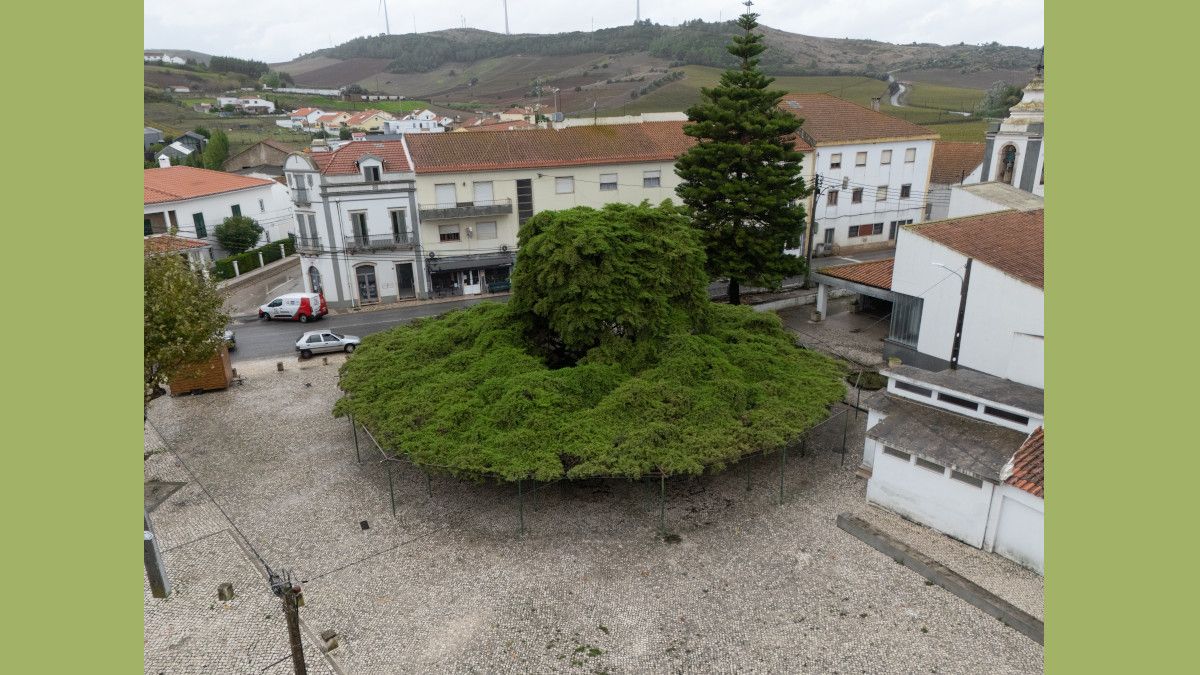
The Cedar of Runa was planted in the early 1950s by a local resident named Mr Alfredo. Since then, it has grown alongside the people of the village, serving as a “living witness” to their daily lives and a symbol of continuity. In the European competition, the story and social role of each tree matter as much as its biology. The Runa Cedar is up against 11 other notable trees, including the Prince Ulrich Oak from the Czech Republic and the Giant Sequoia from the Netherlands. Its place on the shortlist highlights the value of protecting both the environment and the memories that communities attach to these “silent heroes.”
New voting system
This year, the competition introduced the "Points per Tree System," an in. This year, the competition introduced the “Points per Tree System” to make the contest fairer for countries with different population sizes.
This method adjusts the votes based on each country’s population, so the Cedro de Runa has a fair chance against trees from bigger countries. The goal is to make sure that stories like Mr Alfredo’s and the support from Torres Vedras are valued just as much as entries from places like France or Poland, supporting fairness across generations and for the environment. In the final week, to heighten anticipation.
The overall winner will be revealed at an official ceremony in the European Parliament in Brussels on 24 March. Until then, the Cedro de Runa remains a source of national pride, reminding us that protecting living systems and valuing local stories are fundamental to the resilience of our landscapes and the legacy we leave to future generations.
 Add as a preferred source on Google







 Portugal Handbook
 English
 Nederlands
 Deutsch
 Français
 Español
 Italiano
 Svenska
 Pусский
 中文
中文 Türkçe
 Português
 Czech
Czech Hungarian
 Polski
 عربي
عربي Suomi
Suomi עִברִית
 Português (Brasil)
Follow us on social media