


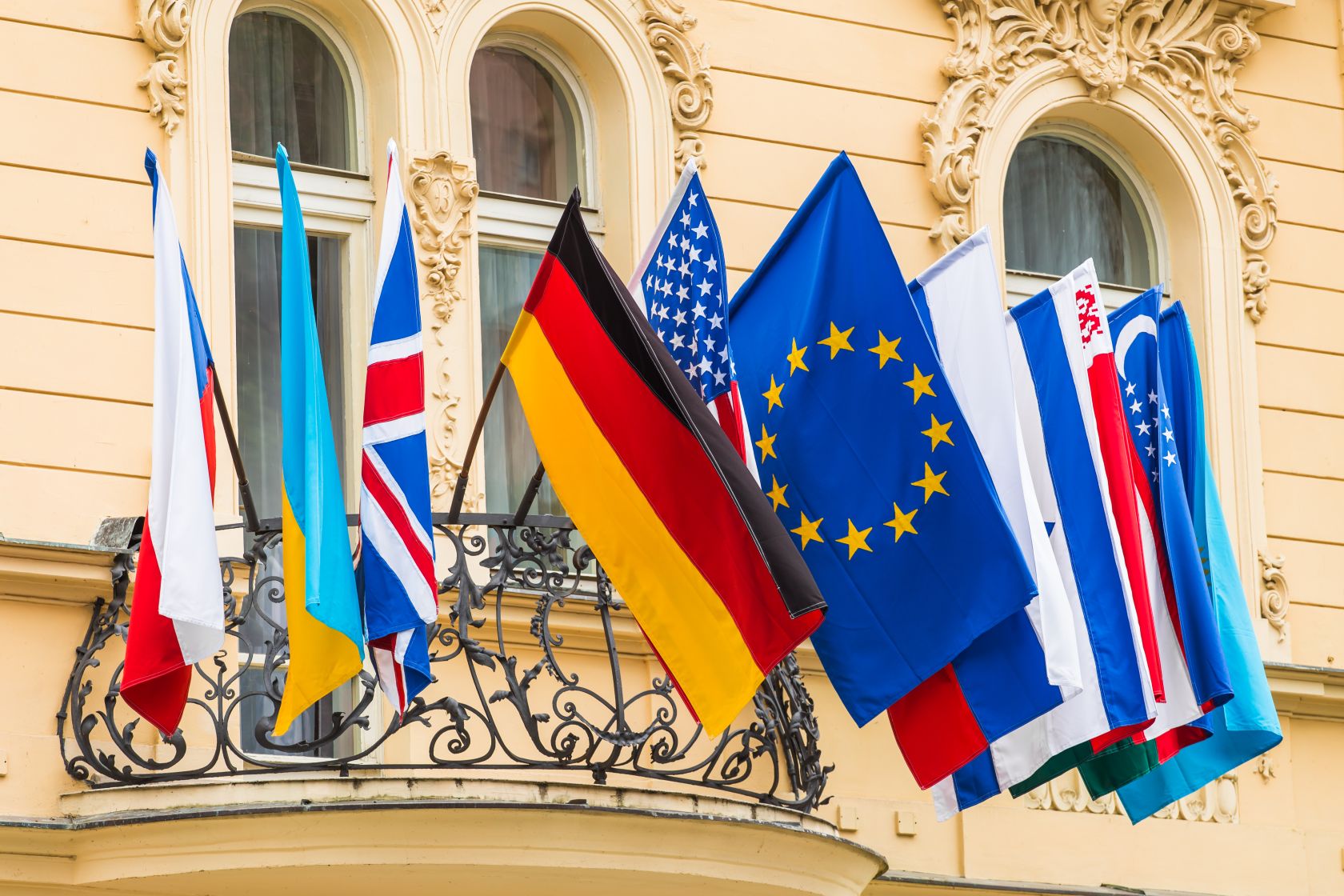
Beginning in 2026, the familiar paper-based visa sticker will be replaced by a secure, encrypted two-dimensional QR code.
Forward-thinking reform
This forward-thinking reform is expected to significantly reduce the risks associated with traditional visas, such as forgery, loss, or accidental damage. Each year, more than 11 million Schengen visa applications are processed, and the move to a digital format is designed to streamline this massive operation, making the process more secure, efficient, and user-friendly.
By modernising the system, the EU hopes to add speed, clarity, and transparency to an application process that has long been criticised for its bureaucracy and lengthy waiting periods.
Importance for Portugal
This decision is particularly important for member states like Portugal, which, as a key gateway into the Schengen area, stands to benefit from faster processing times and improved border management. Portuguese authorities will be better equipped to handle the growing number of travellers, ensuring smoother entry procedures and enhanced security for both visitors and residents.
New platform
The new system architecture is based on the creation of the EU Visa Application Platform (EU VAP), a digital one-stop shop where travellers can manage the entire process: from filling out forms and paying fees to tracking the status of their application in real time.
Among the most innovative solutions is the platform's automatic determination of which country is responsible for the process, resolving one of the main sources of confusion for visitors to multiple European destinations. However, the system retains a necessary physical
component: new applicants will still have to appear in person to collect biometric data, which will be valid for 5 years, allowing future renewals to be carried out entirely remotely.
Common complaints
One of the most common complaints about the current system, the need to leave one's passport at the consulate for extended periods, will finally be addressed by the digital visa, as all information will be stored electronically and securely linked to the applicant's biometric data.
This not only makes the process more convenient for travellers, but also reduces the administrative burden on consular staff. While the complete rollout of the EU Visa Application Platform is targeted for 2028, a transitional phase will allow both the old and new systems to operate in parallel.
Integrate in EES and ETIAS
Ultimately, the objective is to integrate the digital visa into a broader, interconnected digital ecosystem that includes the Entry/Exit System (EES) and the upcoming European Travel Information and Authorisation System (ETIAS).
For Portugal, this digital transformation is especially significant. As one of the primary gateways into the Schengen area, Portugal is likely to see even greater numbers of tourists and business travellers.
Helping Portuguese
The new system promises to help Portuguese border officials manage these flows more efficiently, reduce waiting times at major airports and seaports, and strengthen the country's capacity to detect and prevent irregular migration or security threats.
In the context of growing global travel, this reform positions Portugal at the forefront of modernised border management, enhancing its reputation as a welcoming and secure destination.
 Add as a preferred source on Google






 Portugal Handbook
 English
 Nederlands
 Deutsch
 Français
 Español
 Italiano
 Svenska
 Pусский
 中文
中文 Türkçe
 Português
 Czech
Czech Hungarian
 Polski
 عربي
عربي Suomi
Suomi עִברִית
 Português (Brasil)
Follow us on social media