


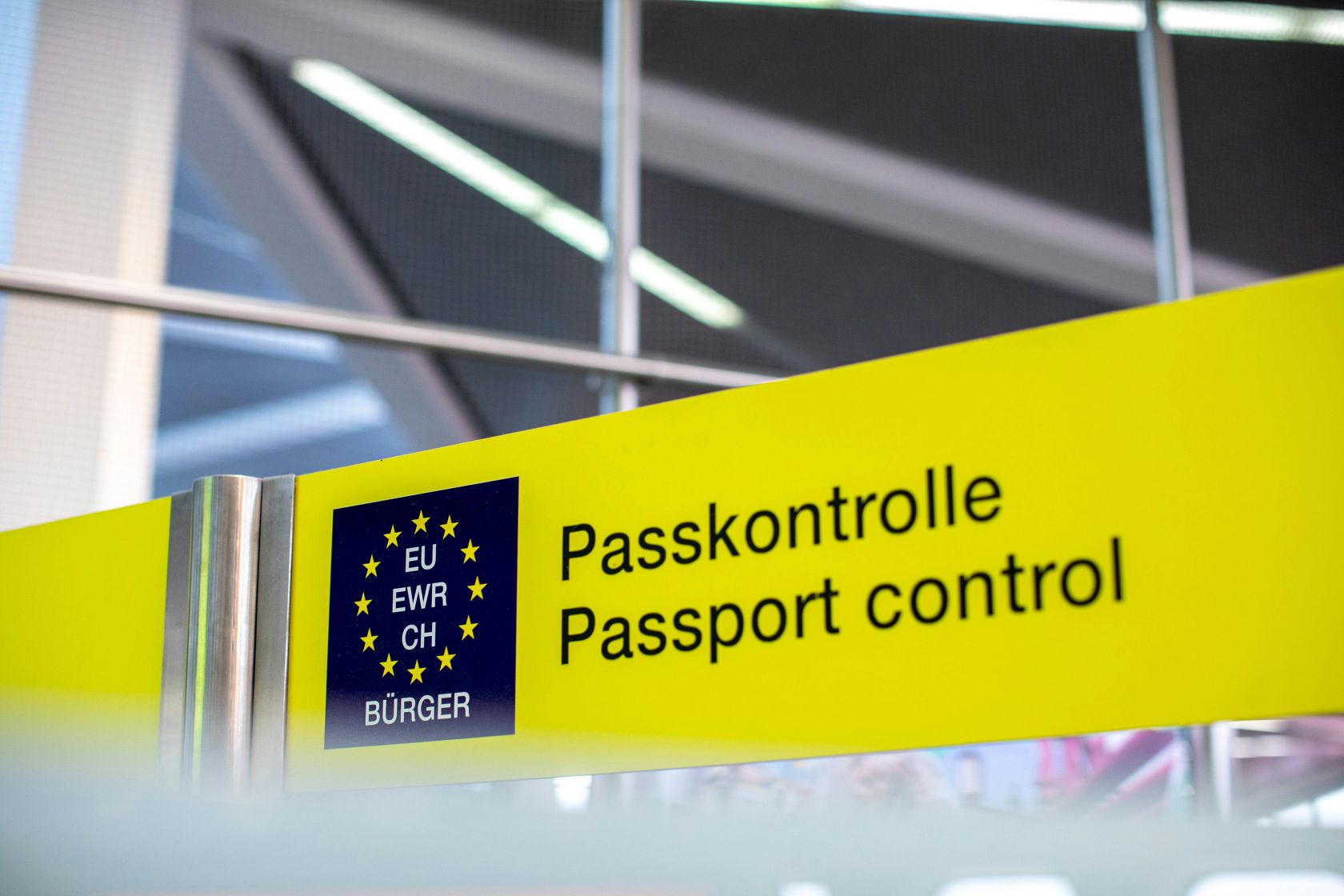
The refusals were recorded in multiple countries, including Portugal, Spain, France, Italy, Germany, Greece, and the Netherlands. The following countries also have the busiest airports for non-Schengen Area travellers.
According to EuroWeeklyNews, during the initial phase of the EES, more than 52 million border crossings were registered. In total, 27,000 citizens were refused entry to the Schengen Area countries.
The European Commission has not yet published a full breakdown by country, so the 27,000 figure combines entries refused across all countries.
Entry into the country may be refused for various reasons, including invalid travel documents or insufficient evidence of the travel purpose. Insufficient financial means are also one of the reasons for refusal, but visa or permit issues are also a factor.
The system cannot make decisions on its own; it records the date, which is then sent to the officials for further decision. Therefore, the 27,000 refusals result in the enforcement decisions made by national authorities at airports.
Only 700 of the flagged cases are security-related. However, some of the alerts can even acknowledge previous overstays, immigration breaches or travel restrictions issued by local authorities.
 Add as a preferred source on Google







 Portugal Handbook
 English
 Nederlands
 Deutsch
 Français
 Español
 Italiano
 Svenska
 Pусский
 中文
中文 Türkçe
 Português
 Czech
Czech Hungarian
 Polski
 عربي
عربي Suomi
Suomi עִברִית
 Português (Brasil)
Follow us on social media