


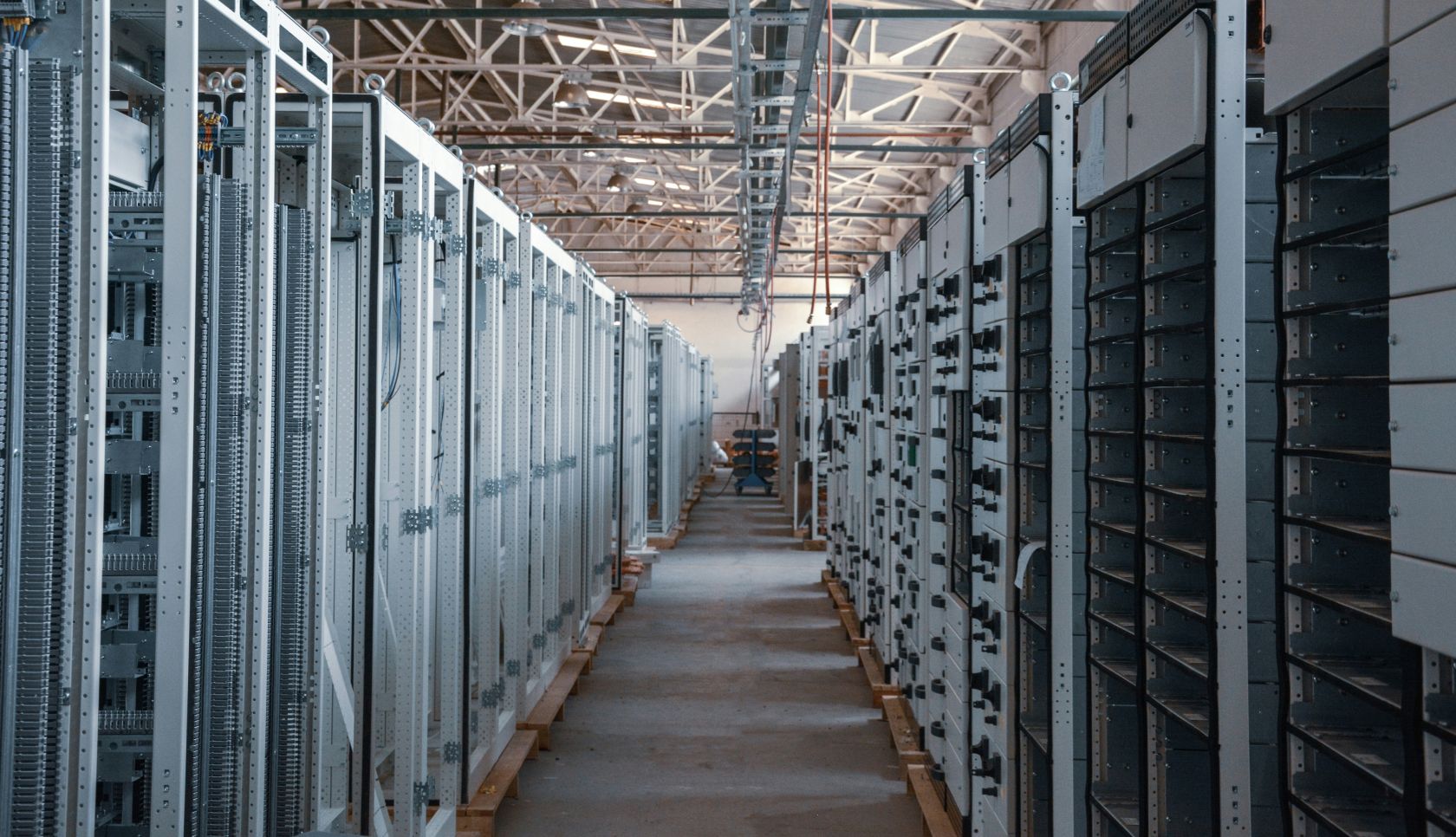
Sometimes, it happens through decisions that, at first glance, seem technical, almost niche. But for those paying attention, they signal something much bigger. The decision by Furiosa AI to establish its European headquarters in Lisbon is exactly one of those moments.
This is not just another tech company opening an office. This is a company operating at the core of the artificial intelligence revolution choosing Portugal as its base for Europe. And that says a lot about where the country stands today.
For years, Portugal has been building its reputation as a tech-friendly destination, attracting startups, digital nomads, and international companies. But what we are seeing now is a clear evolution. The focus is shifting from light tech to deep tech. From services to infrastructure. From adoption to creation.
Furiosa AI is not competing in a simple market. It operates in the highly strategic and competitive space of AI semiconductors, where efficiency, performance and scalability define the future of computing. Its technology, particularly the RNGD chip, is designed to deliver high-performance AI workloads while remaining energy efficient and compatible with existing data center infrastructure.
For anyone involved in data centers or digital infrastructure, this detail is crucial. The biggest challenge today is no longer just computing power. It is how to deliver that power sustainably, efficiently and without exponentially increasing costs. The ability to deploy AI solutions without rebuilding entire facilities is not just a technical advantage. It is a strategic one.
From my own experience working closely with energy and data center ecosystems, I see this as one of the defining challenges of the next decade. Artificial intelligence is driving an unprecedented demand for processing capacity, but energy availability and infrastructure limitations are becoming the real constraints. This is where Portugal’s positioning becomes particularly interesting.
Over the last years, the country has made significant progress in renewable energy, creating a stable and increasingly sustainable energy environment. At the same time, large-scale projects such as Start Campus are placing Portugal on the map as a serious player in digital infrastructure. Now, with companies like Furiosa AI bringing advanced semiconductor development into the equation, the ecosystem is becoming more complete.
Energy, data centers, and chips are no longer separate conversations. They are part of the same value chain. And Portugal is starting to position itself across all three layers.
Another key element in this decision is talent. The fact that Lisbon will host not only commercial operations but also research and development functions shows the growing confidence in the local ecosystem. Areas such as compiler development and chip design require highly specialized expertise, and Portugal is increasingly being recognized as a place where that expertise can be found and developed.
This creates a ripple effect. It strengthens links between academia and industry, attracts more specialized talent, and encourages the growth of startups and innovation clusters. Over time, this is how ecosystems mature.
There is also a broader geopolitical and economic dimension to consider. Europe is actively trying to reduce its dependence on external semiconductor supply chains and build greater technological sovereignty. In this context, every investment in local capability matters. Portugal may not yet be a major manufacturing hub, but it is becoming relevant in design, research, and integration. And that relevance should not be underestimated.
Because in today’s world, being part of the value chain is more important than ever. We often talk about artificial intelligence as software, as algorithms, as data. But none of it exists without hardware. Without chips. Without energy. Without infrastructure.
What is happening now is that Portugal is slowly but steadily becoming part of that foundation. Not just using technology. But helping to build it.
 Add as a preferred source on Google







 Portugal Handbook
 English
 Nederlands
 Deutsch
 Français
 Español
 Italiano
 Svenska
 Pусский
 中文
中文 Türkçe
 Português
 Czech
Czech Hungarian
 Polski
 عربي
عربي Suomi
Suomi עִברִית
 Português (Brasil)
Sorry to be bringing this to you but AI data centers create water pollution, are power hungry and employ very few people to manage them. The costs to the local community and Portugal as whole are greater than the benefits.
By Robert from Beiras on 20 Apr 2026, 08:40
Robert is quite correct.
Data centers in the US are getting increasing pushback for those exact reasons.
By Mark from Lisbon on 21 Apr 2026, 12:55