


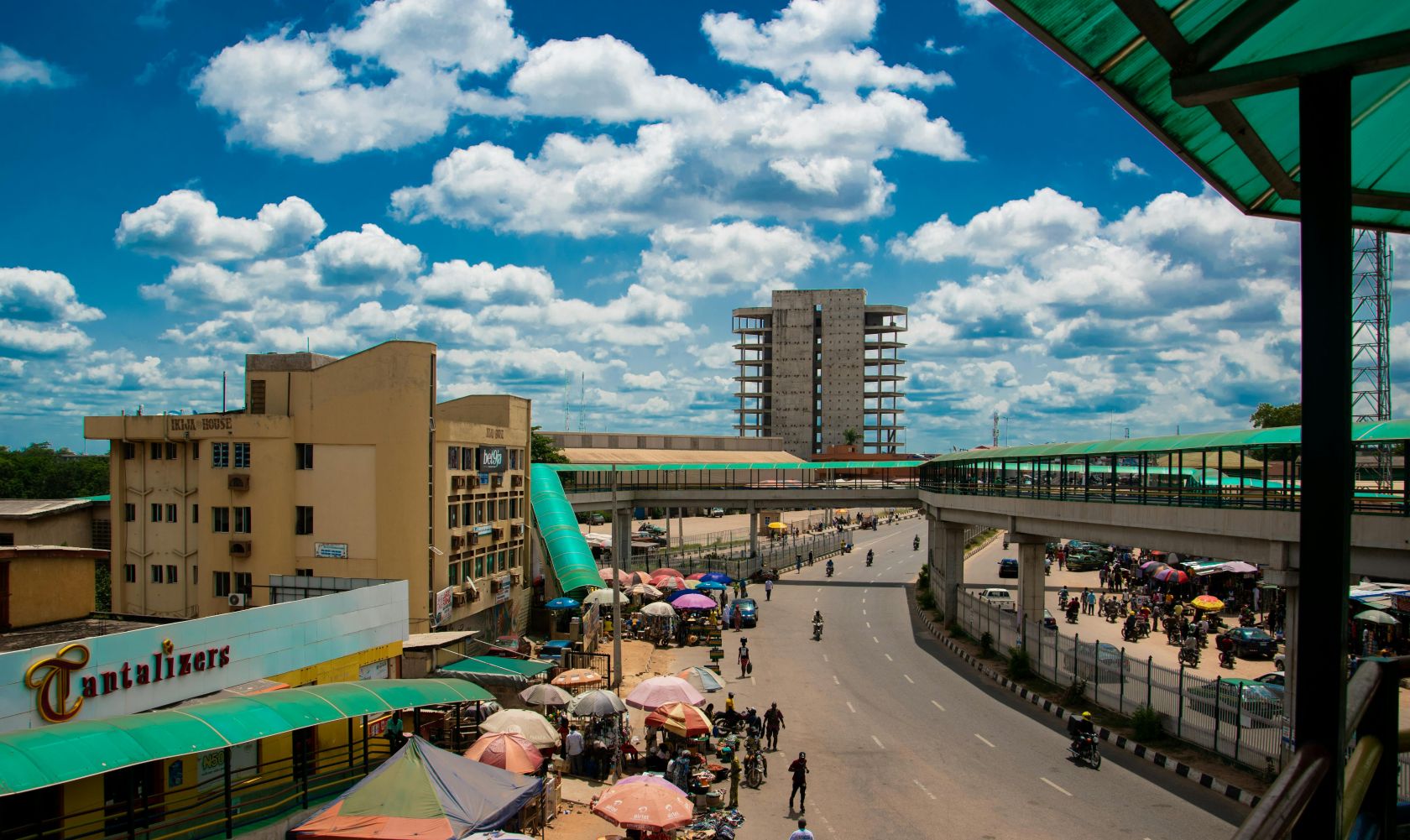
The technology creates virtual city models that help planners test infrastructure decisions, manage traffic and prepare for environmental risks. Supporters say digital twins could help rapidly growing cities make more informed and sustainable development choices.
Digital twin systems combine real-time data with artificial intelligence to simulate how cities respond to challenges such as flooding, population growth and transport demand. According to the report, the technology is increasingly being viewed as a tool for improving public services and long-term planning in urban areas facing pressure from climate change and rapid expansion.
 Add as a preferred source on Google





 Portugal Handbook
 English
 Nederlands
 Deutsch
 Français
 Español
 Italiano
 Svenska
 Pусский
 中文
中文 Türkçe
 Português
 Czech
Czech Hungarian
 Polski
 عربي
عربي Suomi
Suomi עִברִית
 Português (Brasil)
Follow us on social media