


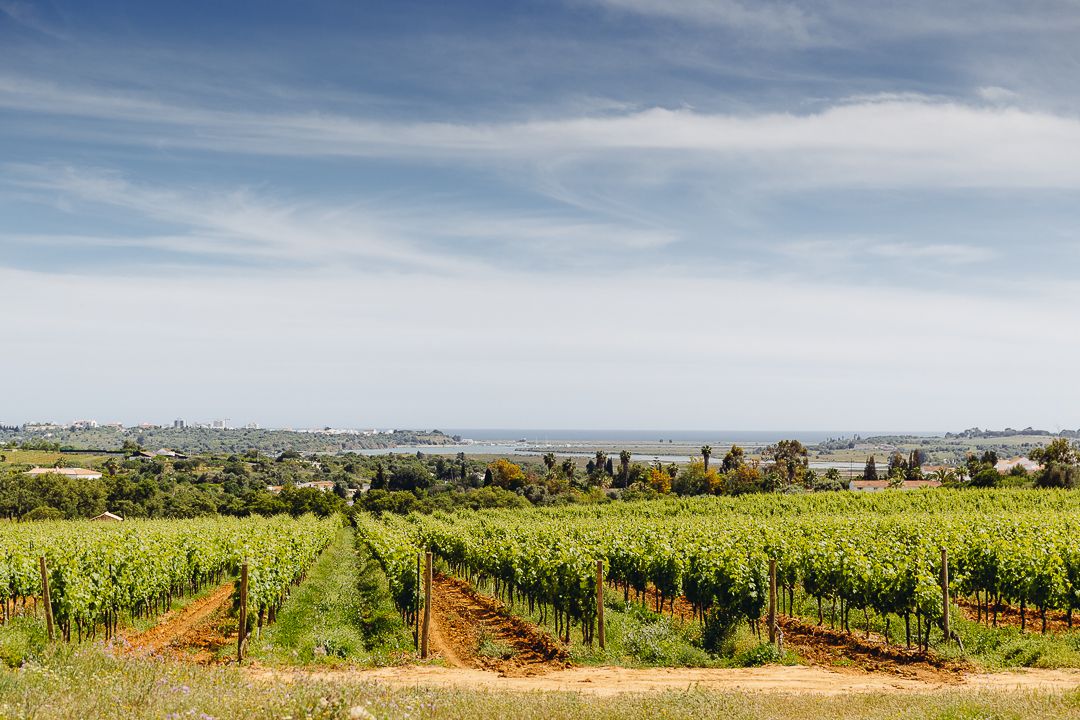
Unlike other regions of Portugal, wine production in the Algarve remains a small, understated part of the landscape, carried out by small, family-run farms that focus on modest, small-batch wines rather than competing with established powerhouses like the Douro Valley or Alentejo. Yet over the past twenty years, that dynamic has begun to change. Today, the Algarve wine region is experiencing a genuine rebirth, fueled by an exceptional climate, renewed investment and the adoption of innovative farming and winemaking techniques.
Climate
The Algarve has always had sunshine, boasting 300 sunny days annually. That was never an issue for producing wine here. What’s changed is how growers work with it. Rising temperatures and increasingly erratic rainfall have forced winegrowers across Portugal to rethink viticulture, but in the Algarve this reckoning has produced surprising results. Better techniques have allowed producers to harness the heat rather than fight it and coastal breezes, higher-altitude plots, and soils once dismissed as unsuitable are now recognized as assets. The result? Wines that capture ripe, expressive fruit while maintaining balance and a subtle salinity.
Innovation
If climate has set the parameters for the Algarve’s wine future, it is new farming practices that are shaping its character. Across the region, growers are moving away from high-intervention, yield-driven models toward more precise, environmentally conscious viticulture. Improved canopy management, careful water use, and a renewed respect for soil health have become essential, rather than optional. Many producers are experimenting with organic and low-intervention approaches, while others carefully manage vineyard zoning and harvest timing to preserve freshness in the region’s warm climate. These techniques have not only improved consistency but have also allowed Algarve wines to reveal subtle nuance, showcasing a character that is unmistakably tied to the region’s terroir.
Investment
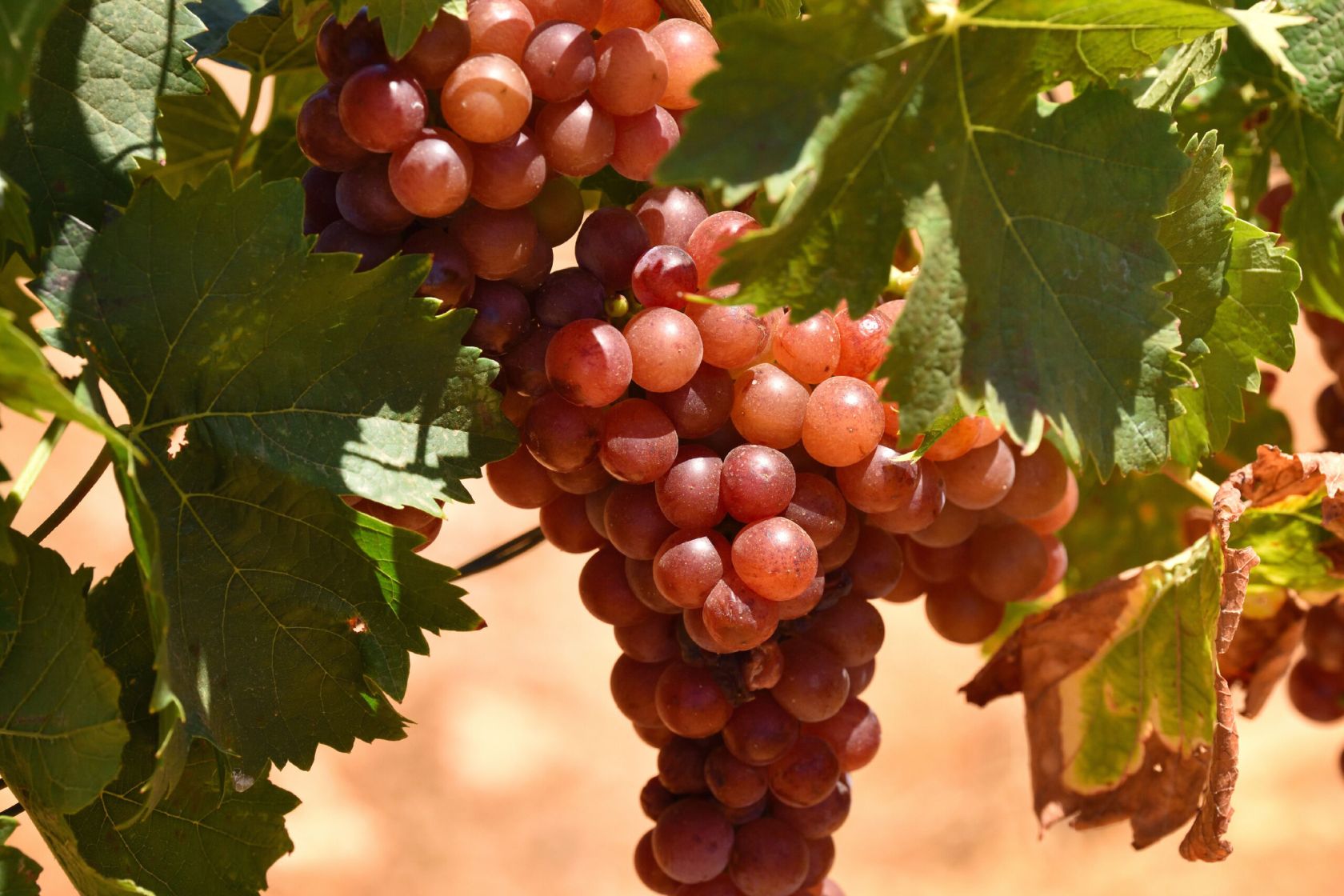
Running parallel to these agricultural changes is a wave of new investment that has quietly entered the Algarve wine landscape. New capital from both domestic and international sources has flowed into vineyards, wineries, and infrastructure, bringing with it modern equipment, technical expertise, and long-term vision. Some investments have revived neglected or abandoned vineyards. Others have introduced entirely new projects with contemporary aesthetics. Investors' ambitions are moving to a global scale. While this influx of money has accelerated quality and visibility, it has also raised important questions about scale, ownership, and intent. The challenge for the Algarve is not whether investment is necessary (clearly it is), but how to ensure that growth enhances, rather than dilutes, the region’s emerging new identity.
The Algarve is evolving, but at what cost, and to whose benefit? As wine production expands, tourism inevitably follows. Will this renewed attention deepen the region’s cultural and agricultural identity, or will it push the Algarve toward volume and profit at the expense of quality and tradition? Can a region so closely tied to resort life embrace wine without becoming just another lifestyle product?
To understand what this transformation really looks like, I spent time with small family producers, large corporate players new to wine, boutique wine shops and industrial-scale exporters. What emerged is a region in transition trying to navigate a future where tradition must adapt to the pressures and pull of change. I wondered if the two concepts could truly coexist with this unstoppable evolution of the region.
Aura Wines: Confidence, Curiosity, and a Mission
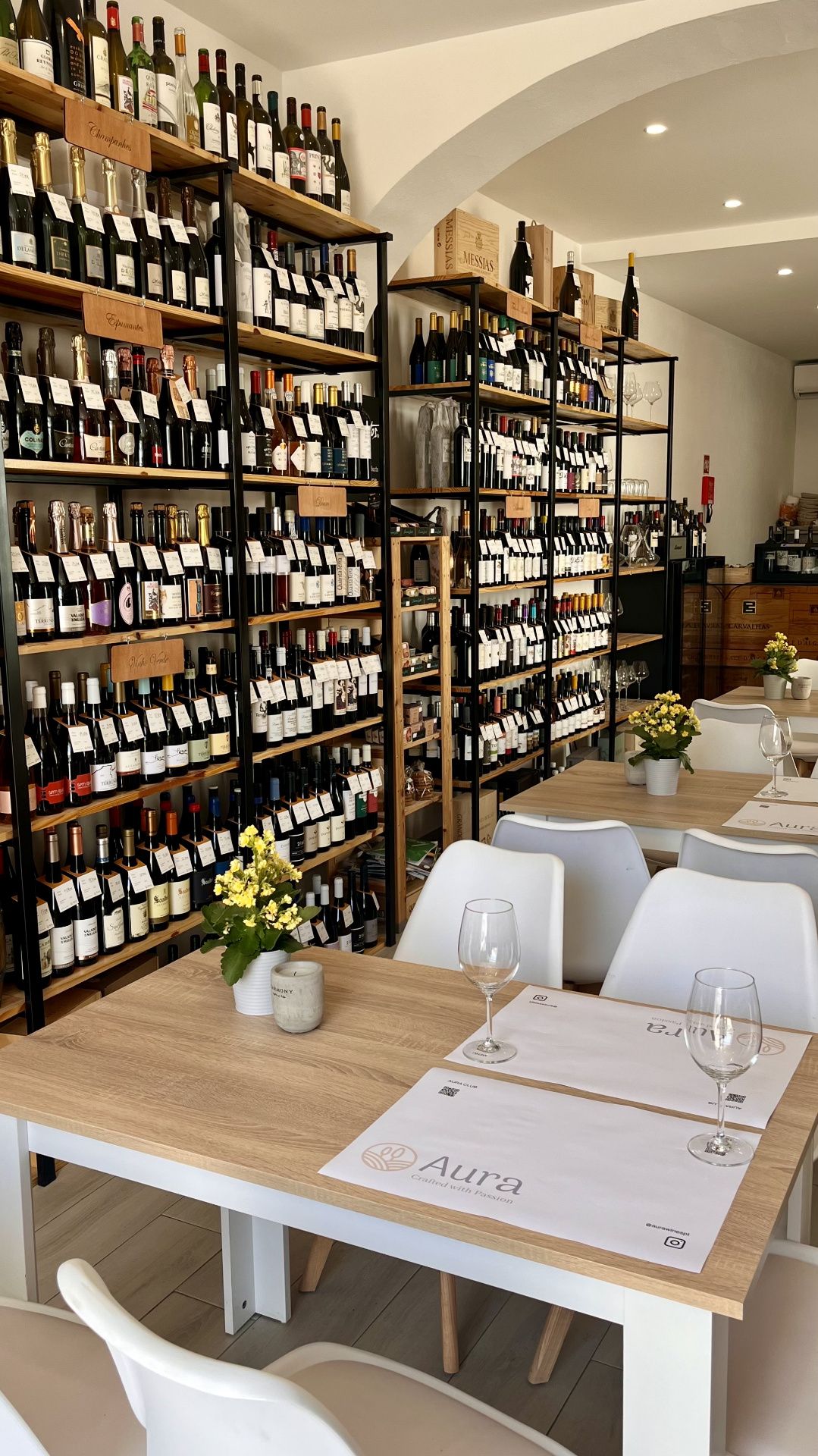
That sense of confidence is palpable at Aura Wines, a thoughtfully curated wine shop that has made it its mission to give its customers a genuine Portuguese experience with wine. Founder and owner João 'Jota' Sousa Vermíssimo speaks about Algarve wines as a true ambassador to the region.
Jota doesn’t frame the Algarve as “catching up” to other Portuguese regions. Instead, he talks about finding its own voice. New producers, returning Portuguese families, and international investors are all part of the mix, but what really excites him most is curiosity. Consumers are asking questions. Winemakers are experimenting, and the region is no longer staying quiet and reserved when it comes to comparing Portuguese wines with better-known regions from Italy, Spain or France.
Spending time with Jota and his team, sharing wine and conversations, it became clear that this rebirth isn’t just agricultural or commercial, but cultural. Algarve wine is becoming something people talk about. They want to “experience” the Algarve in a bottle of wine, including the terroir, the salinity, and the passion of the people producing the wine.
Quinta Tor: Family Roots and the Power of Small Scale
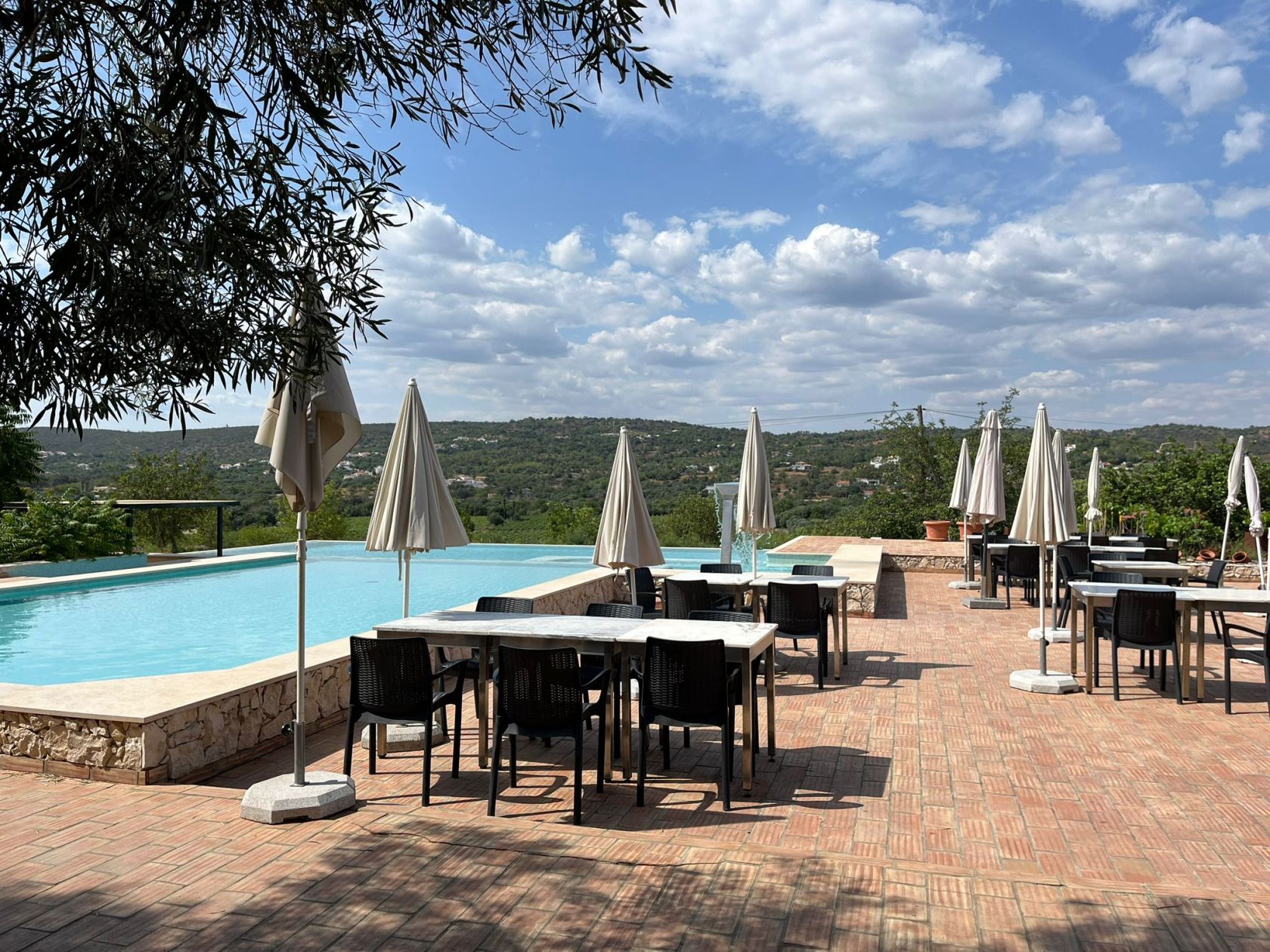
If Aura Wines represents the region’s outward-facing confidence, Quinta Tor embodies its emotional core. Nestled quietly away from the coast, Quinta Tor is a small vineyard and intimate tasting space now under the stewardship of a new generation. Catarina Santos, daughter of the vineyard’s new owner, walked me through the property not as a brand representative, but as a family member. Her connection to the land is personal, layered with memory and responsibility.
At Quinta Tor, modernisation doesn’t mean erasing the past, but rather moving forward with care. Improved vineyard practices and thoughtful winemaking go hand in hand with a deep respect for the estate’s history. But alongside this is another challenge that smaller vineyards also face: how to grow. This is a winery that shares a tractor and winemaker with other small family quintas. Catarina spoke candidly about the desire to expand the business and offer more experiences to more people, while being careful not to grow so quickly that quality, sustainability, and identity are lost.
This tension between ambition and restraint is something many small Algarve producers are navigating today. At Quinta Tor, it’s approached with patience and intention, ensuring that every step forward still feels true to the family, the land, and the character of the wines.
Al-Lagar: Scale, Export, and the Global Algarve
At the other end of the spectrum is Al-Lagar by Casa Santos Lima, a large-scale, export-driven operation with a presence all across Portugal. Its Tavira site is enhanced with the beautiful architecture of its former glory as an olive oil facility.
Touring the space, I was reminded that the Algarve’s rebirth is not only a story of romance and small producers, but also one of logistics, volume, and global markets. Al-Lagar’s wines are conceived with export in mind: single-varietal bottles over traditional blends, softer and more immediately accessible styles, and packaging formats that extend well beyond the standard bottle. Cans, bag-in-box, and other alternative formats sit alongside wines branded with minimalist, internationally legible labels, English-language back text, and simplified tasting cues designed to translate easily across all countries beyond Portugal.
The tasting itself was underwhelming. One bottle was corked, and overall the wines lacked the nuance and character I had encountered elsewhere in the region. Yet to dismiss Al-Lagar on that basis alone would miss the point. This is a producer that moves enormous quantities of wine, much of it made specifically for foreign markets. Nearly 90 percent of its production leaves Portugal.
Al-Lagar represents a reality many wine lovers prefer not to confront: scale matters and it defines the terms for everything else. These wines may not express the soul of the Algarve, but they play a decisive role in shaping how the region is perceived and ultimately the direction the region is going.
A Region in Conversation With Itself
It is this writer's opinion that the evolution of the Algarve is mostly a positive one, but not without friction. Many locals seem to welcome the renewed attention, investment, and jobs that wine brings, especially beyond the seasonal tourism economy. Wine tourism that includes vineyard visits, tastings, and cultural experiences, offers a slower alternative to the beach-centric travel that the Algarve boasts.
At the same time, there’s understandable concern about over-development, rising land prices, and whether authenticity can survive the success. The coexistence of family vineyards and export giants raises questions about the region's identity: Who gets to define Algarve wine? At the moment, it seems everyone I spoke with wants a voice at the table.
The Role of the CVA
The CVA (Comissão Vitivinícola do Algarve) serves as the regional body representing the Algarve’s wine industry, and its role extends beyond marketing and regulation. As investment and innovation are rapidly reshaping the region, the CVA will be a primary force that works to preserve the Algarve’s authenticity by setting quality standards, promoting traditional grape varieties, and supporting sustainable viticultural practices. They will be key to help balance modernisation with heritage to ensure that new technologies, export-driven production, and stylistic experimentation do not erase the distinctive character of the region’s wines.
“From our perspective, the current moment can indeed be described as a renaissance. Viticulture in the Algarve is not new, but what we are witnessing now is a renewed confidence and ambition within the sector,” said Sara Silva, Presidente da Direção of CVA. “Looking ahead, we see a future built on sustainable growth and international recognition, grounded in quality rather than volume. The Algarve has all the elements required to establish itself as one of Portugal’s most distinctive wine regions: climate, diversity of terroir, indigenous varieties, and a new generation committed to excellence. The CVA remains dedicated to guiding this evolution responsibly, ensuring that the region’s development continues to honour its heritage while confidently embracing the future.”
The Future of Algarve Wine
The rebirth of the Algarve is not a replacement of its past, but an expansion of it. The Algarve is stepping into the world wine stage, but ultimately staying true to itself. If the conversations happening in vineyards and wine shops are any indication, the region is ready for what comes next.
Saúde!
 Add as a preferred source on Google







 Portugal Handbook
 English
 Nederlands
 Deutsch
 Français
 Español
 Italiano
 Svenska
 Pусский
 中文
中文 Türkçe
 Português
 Czech
Czech Hungarian
 Polski
 عربي
عربي Suomi
Suomi עִברִית
 Português (Brasil)
Follow us on social media