


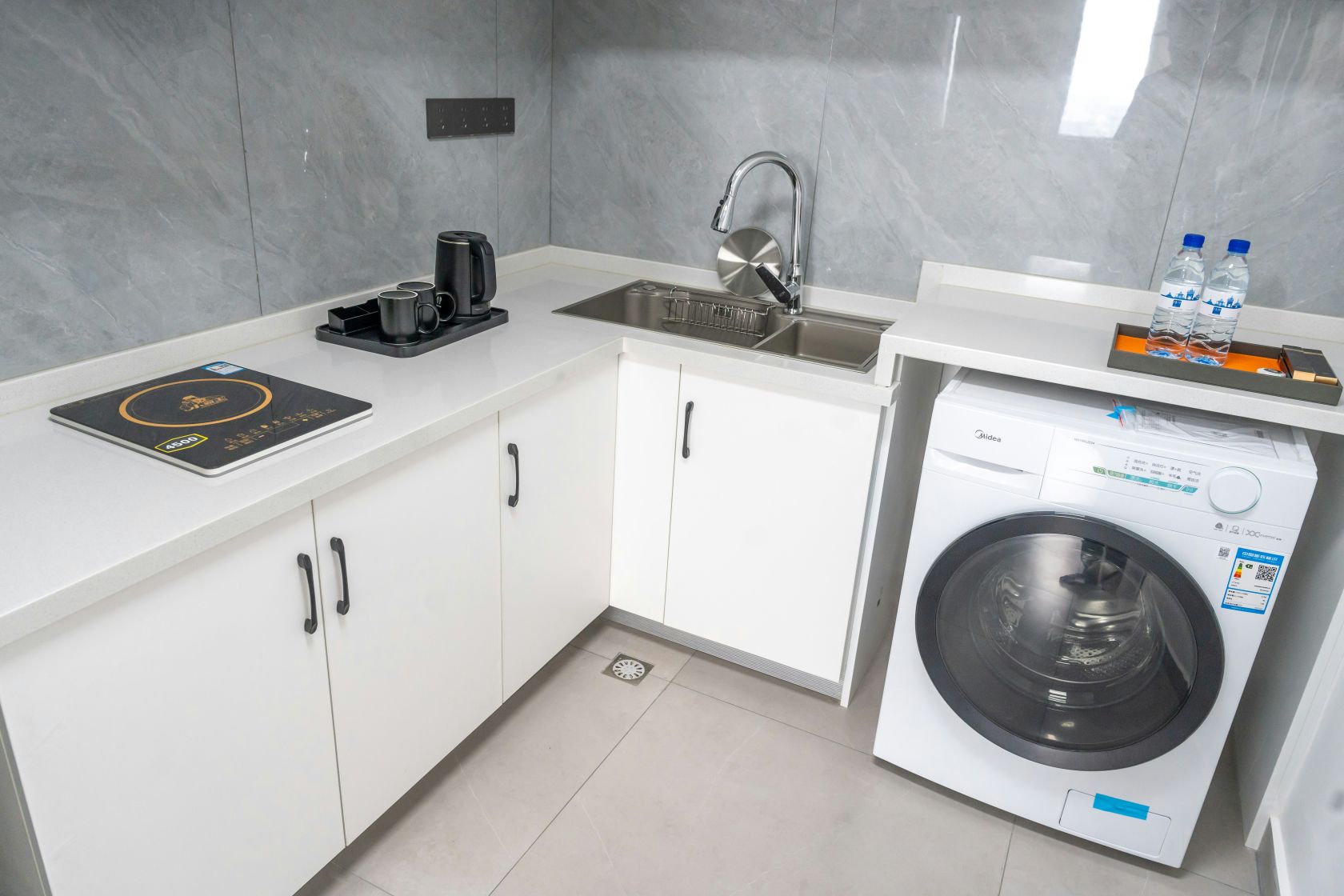
The Portuguese government is preparing a new phase of the E-Home programme, expanding support for households investing in energy efficiency by combining incentives for energy-efficient appliances with photovoltaic systems, including solar panels and battery storage.
According to idealista, the revised scheme aims to build on the existing E-Home model while supporting families in reducing energy bills and accelerating the transition to cleaner energy.
Speaking to Jornal de Negócios and Antena 1, Environment Minister Maria da Graça Carvalho said a standalone programme to support solar panels and batteries is now unlikely to launch this year. Instead, the government plans to integrate these measures into a new “photovoltaic E-Home” scheme, which would provide vouchers for both household appliances and solar energy equipment.
The Minister explained that the Environmental Fund has come under increased financial pressure due to extraordinary spending linked to recent storms and support measures introduced following the crisis in the Middle East.
Meanwhile, a second €10 million round of incentives for electric vehicles is expected to open during the second half of 2026. The first funding phase was fully subscribed in less than two hours, supporting the purchase of 2,200 electric vehicles. Between 300 and 400 applications remain on a waiting list and could still receive funding if approved applicants do not proceed with their purchases.
The additional €10 million allocation has already received approval from the Council of Ministers and the Ministry of Finance.
The government is also preparing to launch the Social Climate Fund, a four-year programme worth 1.6 billion euros aimed primarily at supporting vulnerable households. The fund will also provide assistance to small and medium-sized enterprises in low-density regions, as well as sustainable transport initiatives, including electric buses and innovative mobility solutions.
Expected to begin financing projects from mid-2027, the fund will include an Efficiency Voucher inspired by the E-Home model.
Carvalho also highlighted Portugal’s progress in tackling energy poverty, saying the rate has fallen from around 20 percent to 15 percent with support from the Recovery and Resilience Plan (PRR). She added that the European Commission recognised Portugal’s use of PRR funding to improve energy efficiency, citing the rehabilitation of 85,000 apartments and the completion of the national window replacement programme.
 Add as a preferred source on Google







 Portugal Handbook
 English
 Nederlands
 Deutsch
 Français
 Español
 Italiano
 Svenska
 Pусский
 中文
中文 Türkçe
 Português
 Czech
Czech Hungarian
 Polski
 عربي
عربي Suomi
Suomi עִברִית
 Português (Brasil)
Follow us on social media