


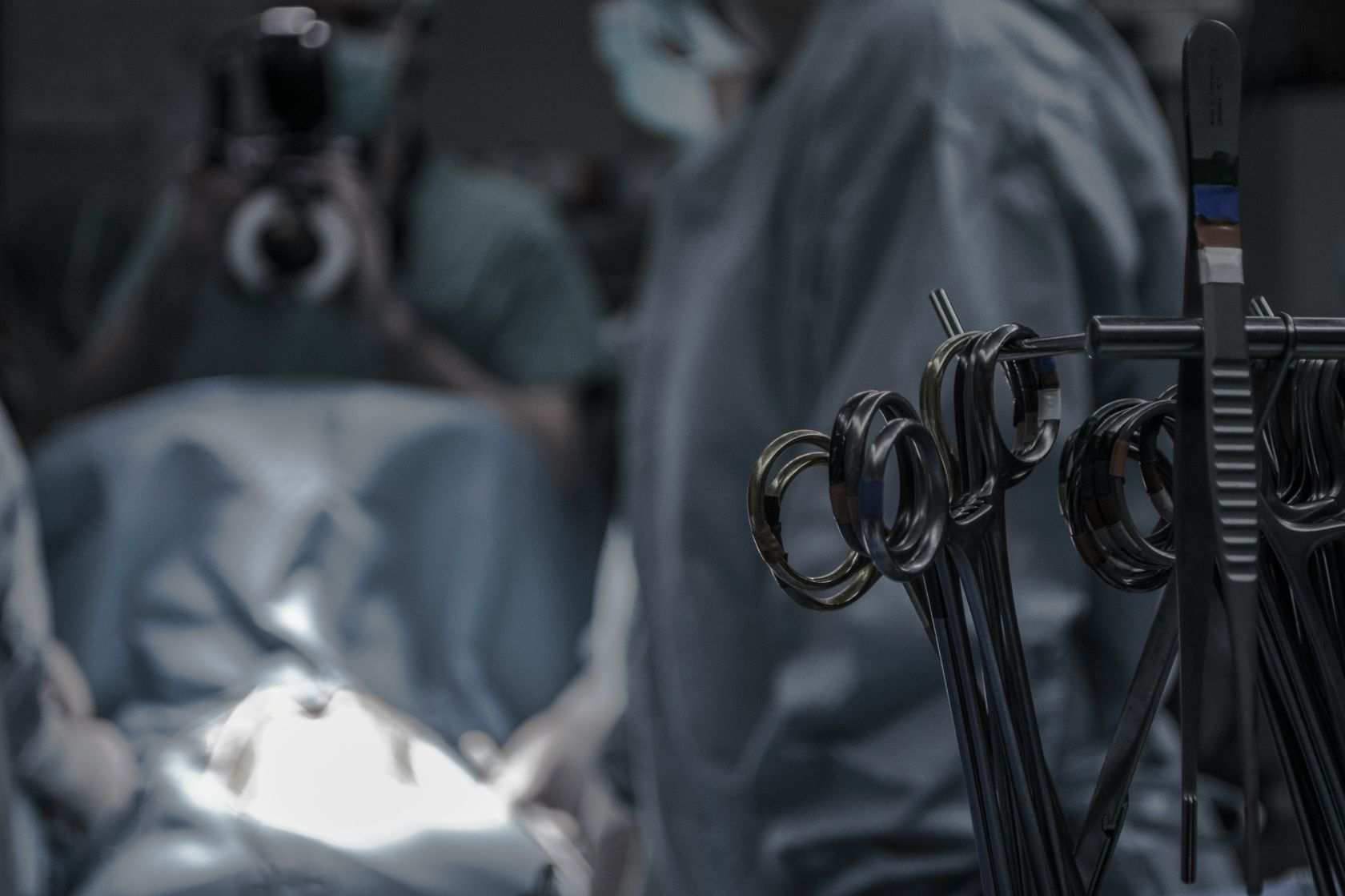
In a statement, the ULS Alto Minho administration specifies that the orthopaedics department uses the VELYS robotic system for these operations, "reinforcing its commitment to technological innovation and specialised care for the population."
"For the ULS Alto Minho orthopaedics department, this investment represents a strategic step in modernising care delivery, enhancing the ability to offer patients treatments that are increasingly safe, precise, and specialised," the statement notes.
The program was implemented between 8 and 12 June in collaboration with a specialised international team.
The "introduction of this technology marks another milestone in the evolution of the Orthopaedics Department, enabling the provision of high-precision surgical techniques for treating osteoarticular conditions to patients in the Viana do Castelo district."
"Robotic surgery applied to total and unicompartmental knee arthroplasty allows for more precise planning and execution of the surgical procedure, promoting more accurate implant positioning, better ligament balance, and reduced soft-tissue trauma," the statement asserts.
These features "translate into significant clinical benefits, namely faster functional recovery, reduced perioperative blood loss, shorter hospital stays, and a potential decrease in complication and revision surgery rates, contributing to greater implant longevity."
ULS Alto Minho comprises two hospitals: Santa Luzia in Viana do Castelo and Conde de Bertiandos in Ponte de Lima. It also comprises 12 health centres, one public health unit, and two convalescent care units, serving a resident population of over 244,000 people across the ten municipalities of the Viana do Castelo district, as well as some neighbouring populations in the Braga district.
More than 2,500 professionals work across these facilities, including approximately 500 physicians and over 800 nurses.
 Add as a preferred source on Google





 Portugal Handbook
 English
 Nederlands
 Deutsch
 Français
 Español
 Italiano
 Svenska
 Pусский
 中文
中文 Türkçe
 Português
 Czech
Czech Hungarian
 Polski
 عربي
عربي Suomi
Suomi עִברִית
 Português (Brasil)
Follow us on social media