


The ERS analysed the activity of obstetrics and neonatology units in mainland Portugal in the year 2025, based on reports from units of the National Health Service (SNS) and the non-public sector, accounting for a total of 83,089 births, a growth of 3.6% compared to the previous year.
The Lisbon and Tagus Valley (LVT) and North regions concentrated 78% of all births, the vast majority of which occurred in the SNS (80%).
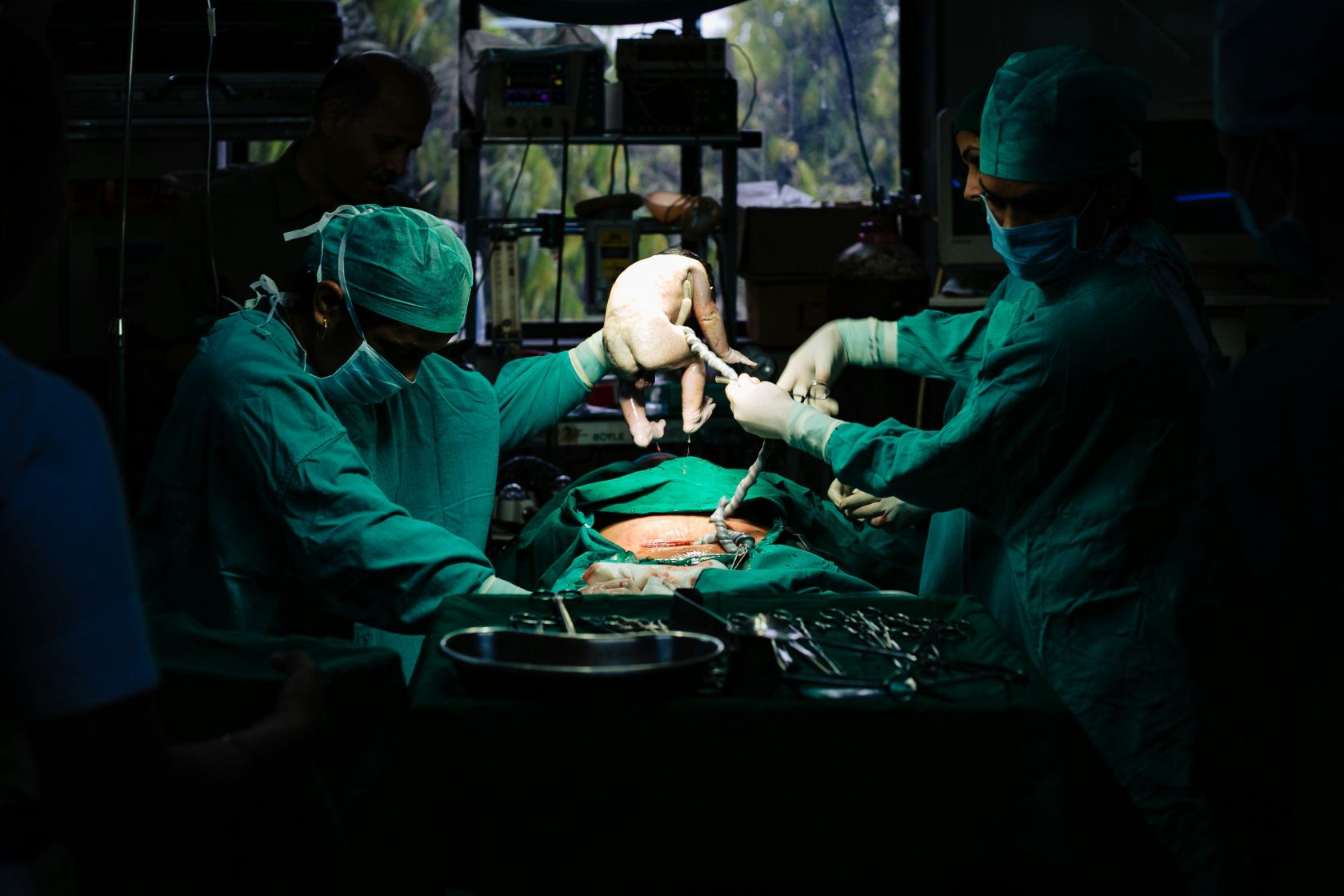
Regarding the proportion of cesarean births, ERS data indicate that last year it was 39.1%, slightly higher than in 2024 (38.7%), which had already registered a small increase compared to 2023 (38.2%).
Region with the fewest cesarean sections
Within and outside the SNS, at the regional level, the Central region has the lowest proportion of cesarean births (29%).
The data also show a significant increase in the proportion of scheduled cesarean sections overall, which went from 10.2% in 2024 to 41.3% last year.
More cesarean sections in the private sector
Outside the SNS, the proportion of cesarean sections is higher (62%), but it decreased slightly compared to 2024 (63.4%). However, there was a significant increase in scheduled cesarean sections, which went from 10.2% in 2024 to more than half (55.3%) last year. The proportion of urgent cesarean sections also increased outside the SNS, rising from 38.8% to 42.3%. Conversely, the proportion of emergency cesarean sections outside the public service plummeted: from 51% to 2.3%.
In SNS units, the total percentage of cesarean births is almost half that of the private sector, at 33.3%, but here too, scheduled cesarean sections increased (from 10.2% to 28.7%), as did cesarean sections considered urgent (from 35.6% to 67%). Conversely, the proportion of emergency cesarean sections, which had skyrocketed from 7.5% (2023) to 54.2% (2024), plummeted to 4.3%.
According to the guidelines of the Directorate-General of Health, an urgent cesarean section is performed when there is a clinical condition that needs resolution in a short period of time, but without imminent danger to the health of the fetus and/or the mother, as opposed to an emergent cesarean section, where this danger exists and can be reduced if the surgery is performed "as soon as possible".
In the particular case of SNS units, urgent or emergent cesarean sections predominated (71%), while in non-public units, scheduled cesarean sections predominated (55%).
Cesarean sections should also be classified according to the absence or stage of labour. In this sense, 58% of all cesarean sections occurred in the absence of labour - 52% in SNS units and 62% in non-public units.
 Add as a preferred source on Google





 Portugal Handbook
 English
 Nederlands
 Deutsch
 Français
 Español
 Italiano
 Svenska
 Pусский
 中文
中文 Türkçe
 Português
 Czech
Czech Hungarian
 Polski
 عربي
عربي Suomi
Suomi עִברִית
 Português (Brasil)
Follow us on social media