


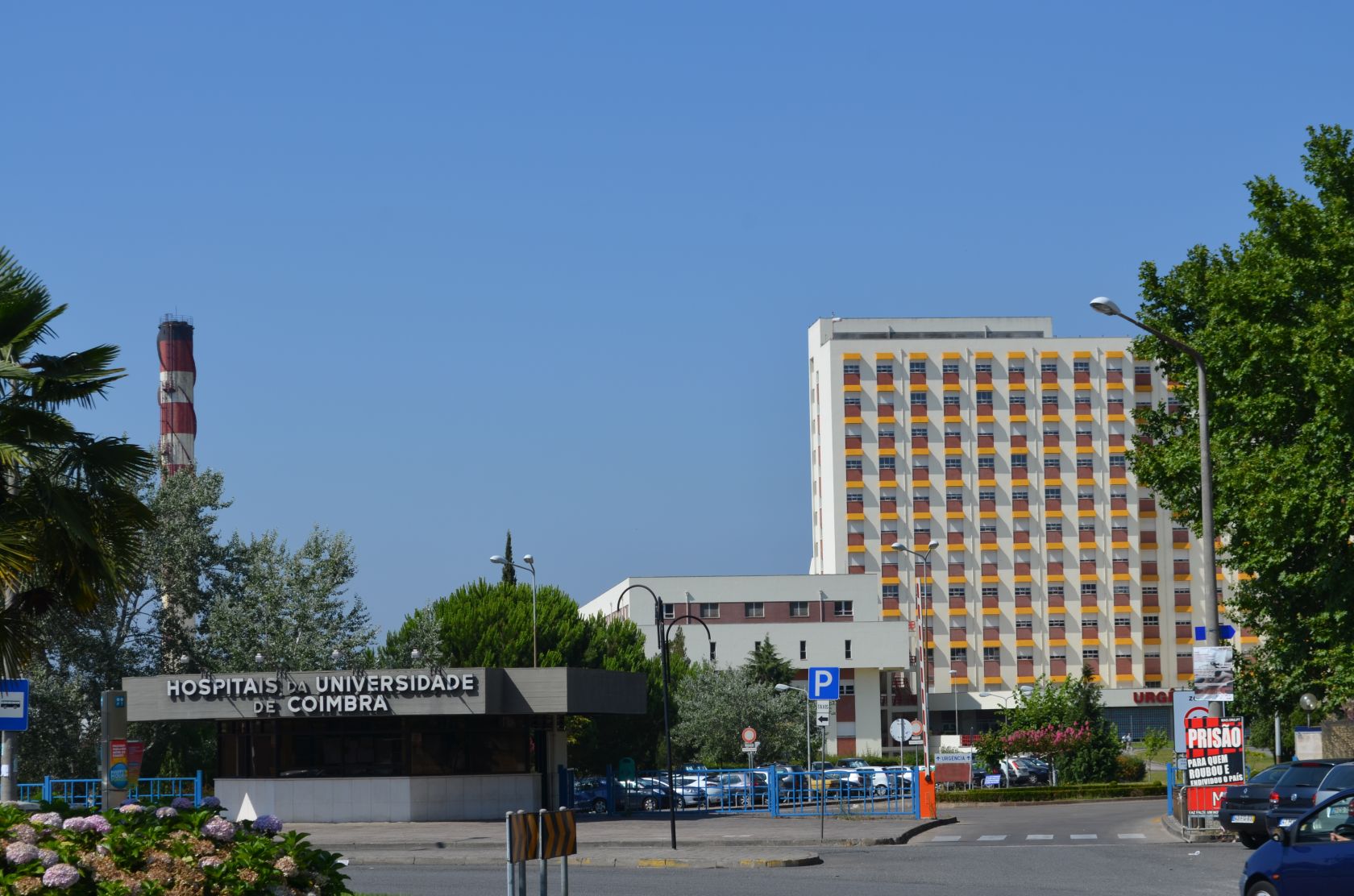
According to healthcare leaders, little has changed since previous years to address the chronic lack of medical staff, raising concerns that patients may once again experience difficulties accessing urgent care during the holiday period.
The outlook for the coming months is far from encouraging, as medical representatives argue that the number of doctors working in the public health system has not increased sufficiently to resolve the shortages that have affected hospitals in recent summers.
Joana Bordalo e Sá, vice-president of the National Federation of Doctors (FNAM), warned that both the summer and winter periods are likely to be “extremely difficult” for healthcare services.
Doctors and hospital managers believe some emergency departments may be forced to suspend operations in order to cope with staffing pressures, particularly in gynaecology and obstetrics services, where shortages remain acute.
They argue that no major structural reforms have been implemented to fundamentally change the situation, and the only notable development has been the concentration of gynaecology and obstetrics emergency services across the Greater Lisbon area.
In addition to the longstanding workforce crisis, healthcare professionals have identified another potential challenge, as they warn that periods of extreme heat could place further strain on emergency departments by increasing demand for urgent medical treatment.
As resources are being stretched and staffing levels remain largely unchanged, healthcare leaders fear that hospitals may struggle to maintain normal emergency services throughout the summer months.
 Add as a preferred source on Google










 Portugal Handbook
 English
 Nederlands
 Deutsch
 Français
 Español
 Italiano
 Svenska
 Pусский
 中文
中文 Türkçe
 Português
 Czech
Czech Hungarian
 Polski
 عربي
عربي Suomi
Suomi עִברִית
 Português (Brasil)
Follow us on social media