


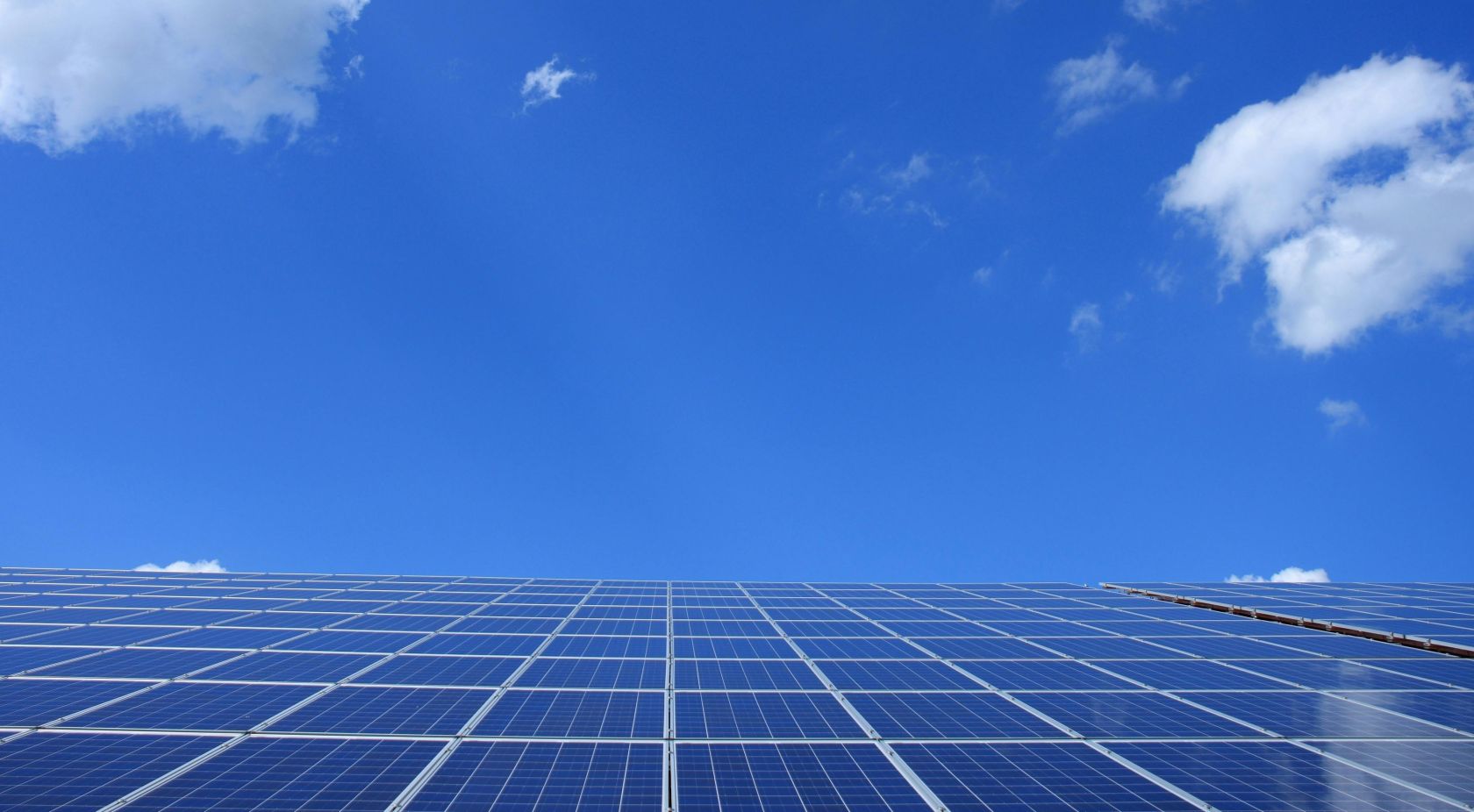
Data released by Redes Energéticas Nacionais (REN) mention that renewable sources met 53 percent of Portugal’s electricity needs in July, as solar photovoltaics led the country’s energy mix, ahead of hydroelectric power, which represented 16 percent of consumption, followed by wind energy at 13 percent and biomass at 5 percent.
The remaining electricity demand was met through non-renewable generation, which contributed 13 percent, while imports supplied 34 percent of total consumption.
Renewable energy
REN’s monthly operational data also showed favourable conditions for hydroelectric production, with a productivity index of 1.26, while solar recorded an index of 0.89 and wind stood at 0.71, reflecting weaker wind resources during the month.
These figures mark another milestone in Portugal’s ongoing transition towards renewable energy, as the country has significantly expanded its solar generation capacity in recent years, through large-scale photovoltaic projects and distributed generation schemes, supported by national decarbonisation targets and investments promoted under the National Energy and Climate Plan (PNEC 2030).
Throughout the year, renewable sources supplied 68 percent of electricity consumption between January and July, while hydroelectric generation accounted for 27 percent of demand over the seven-month period, followed by wind at 24 percent, solar at 12 percent and biomass at 5 percent.
In addition, natural gas-fired generation represented 14 percent of electricity consumption during the same period, while imported electricity covered the remaining 18 percent.
Productivity indicators
The cumulative indicators released by REN showed that hydroelectric resources performed above average for the first seven months of 2026, with an index of 1.19, while wind conditions remained close to normal at 1.00, as solar power production reached an index of 0.83.
Furthermore, electricity demand also continued to grow throughout the year, as July consumption increased by 3 percent compared with the same month in 2025, or 1.8 percent after adjusting for temperature and the number of working days.
Across the first seven months of the year, electricity consumption rose by 3.5 percent year-on-year, but after correcting for weather conditions and calendar effects, the increase was 3.1 percent.
Meanwhile, the natural gas market continued to contract, with total consumption falling by 7.3 percent in July compared with a year earlier, largely due to a 20 percent decline in gas used for electricity generation. Consumption in the conventional market, which includes households, businesses and industry outside the power sector, remained broadly stable, increasing by just 0.1 percent.
REN also reported that the LNG terminal at Sines supplied all of Portugal’s natural gas imports during July, while around two-thirds of liquefied natural gas deliveries originated from Nigeria, with the remaining volumes arriving from the United States.
 Add as a preferred source on Google







 Portugal Handbook
 English
 Nederlands
 Deutsch
 Français
 Español
 Italiano
 Svenska
 Pусский
 中文
中文 Türkçe
 Português
 Czech
Czech Hungarian
 Polski
 عربي
عربي Suomi
Suomi עִברִית
 Português (Brasil)
Follow us on social media