


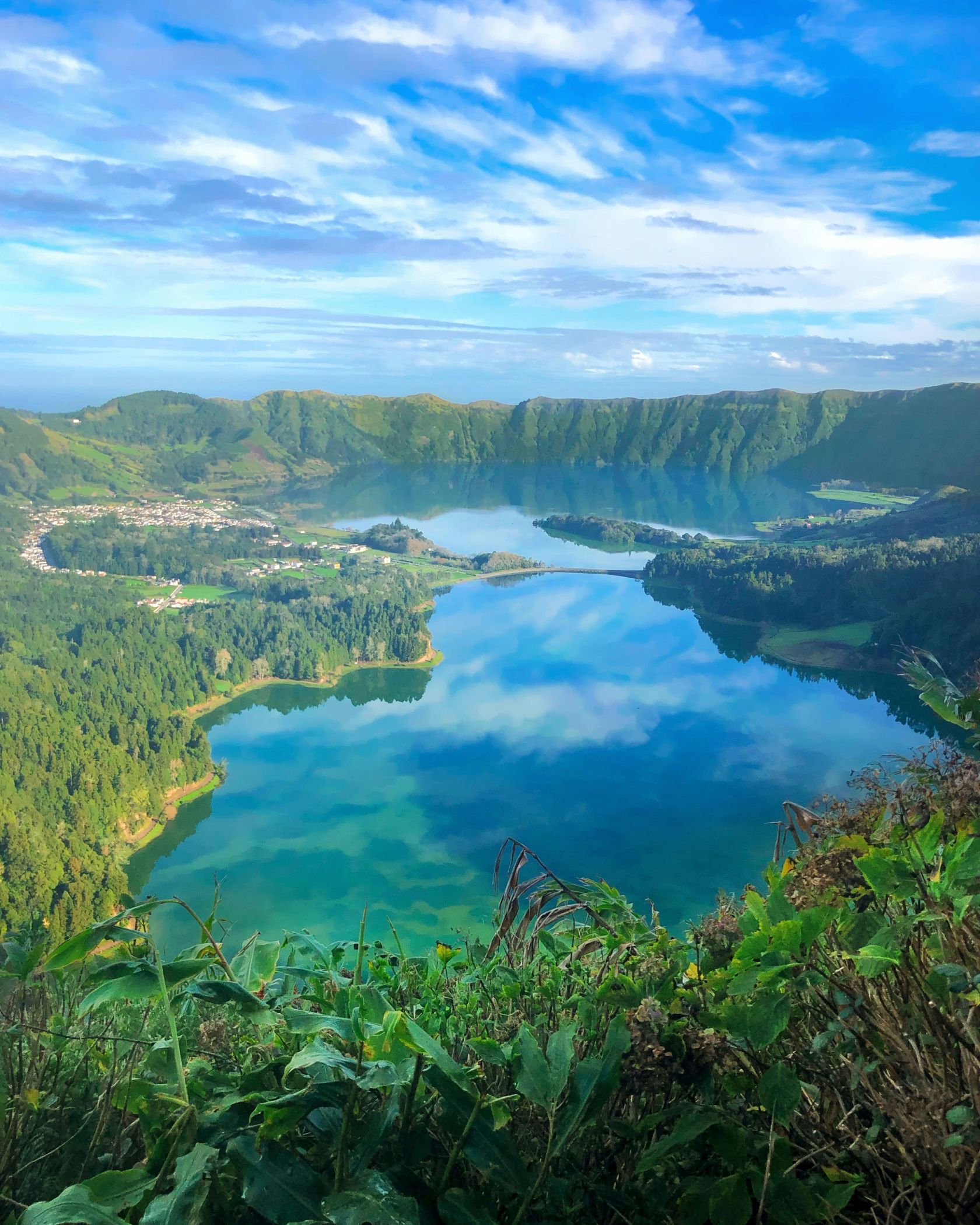
The surprising part is how different the islands are from one another. São Miguel has hot springs, lakes, tea plantations and enough restaurants and activity to make it an easy introduction to the Azores. Madeira combines serious hiking with the restaurants and nightlife of Funchal. Porto Santo, meanwhile, has something that is surprisingly difficult to find elsewhere among Portugal’s Atlantic islands: a long sweep of golden sand.
Go further into the Azores and things become wilder. Pico is dominated by Portugal’s highest mountain and vineyards growing improbably from black volcanic rock. Flores seems to produce a waterfall around every corner. São Jorge is long, narrow and wonderfully dramatic, while Faial has spent centuries looking outward to the Atlantic.
There isn’t really one “best” Portuguese island. There is, however, probably a best one for the holiday you have in mind.
1. São Miguel, Azores
Best for: First-time visitors
If you’re going to choose just one Azorean Island, São Miguel makes a compelling case. The largest of the nine islands has enough variety to fill a week without requiring another flight or ferry.
Its postcard image is Sete Cidades, where blue and green lakes fill a vast volcanic caldera and the Vista do Rei viewpoint provides the classic view from above. Lagoa do Fogo offers another spectacular crater lake, but the island’s volcanic personality becomes much more tangible in Furnas. Steam rises from the ground, mineral-rich thermal pools invite you in for a soak, and the local cozido is traditionally cooked using geothermal heat beneath the earth. (Visit Azores)
São Miguel also has black-sand beaches, natural swimming areas and Ponta Delgada, the archipelago’s largest city, giving it a little more buzz than you’ll find on the smaller islands.
Come for the scenery, but leave room for the food. Pineapples are cultivated locally; tea is grown on the island and fresh fish and Azorean beef appear everywhere. São Miguel is the island that asks for the fewest compromises, which makes it particularly good for an Azores first-timer.
2. Madeira
Best for: Adventure
Madeira looks as though someone tried to fit an entire continent onto one island. Mountains rise sharply from the Atlantic, waterfalls appear between dense forests and villages cling to hillsides that look far too steep to have villages on them.
Walking is one of the great reasons to come. Madeira’s famous levadas, originally created to carry water around the island, now provide an extraordinary network of routes through forests and mountains. More challenging trails climb through the central peaks, including routes around Pico Ruivo, Madeira’s highest point. The ancient Laurissilva forest is a UNESCO World Heritage Site and adds another dimension to the island’s almost prehistoric-looking interior. (Visit Madeira)
But Madeira isn’t all hiking boots. Funchal has excellent restaurants, rooftop bars, markets and a surprisingly lively nightlife scene, particularly around the old town. (Visit Madeira)
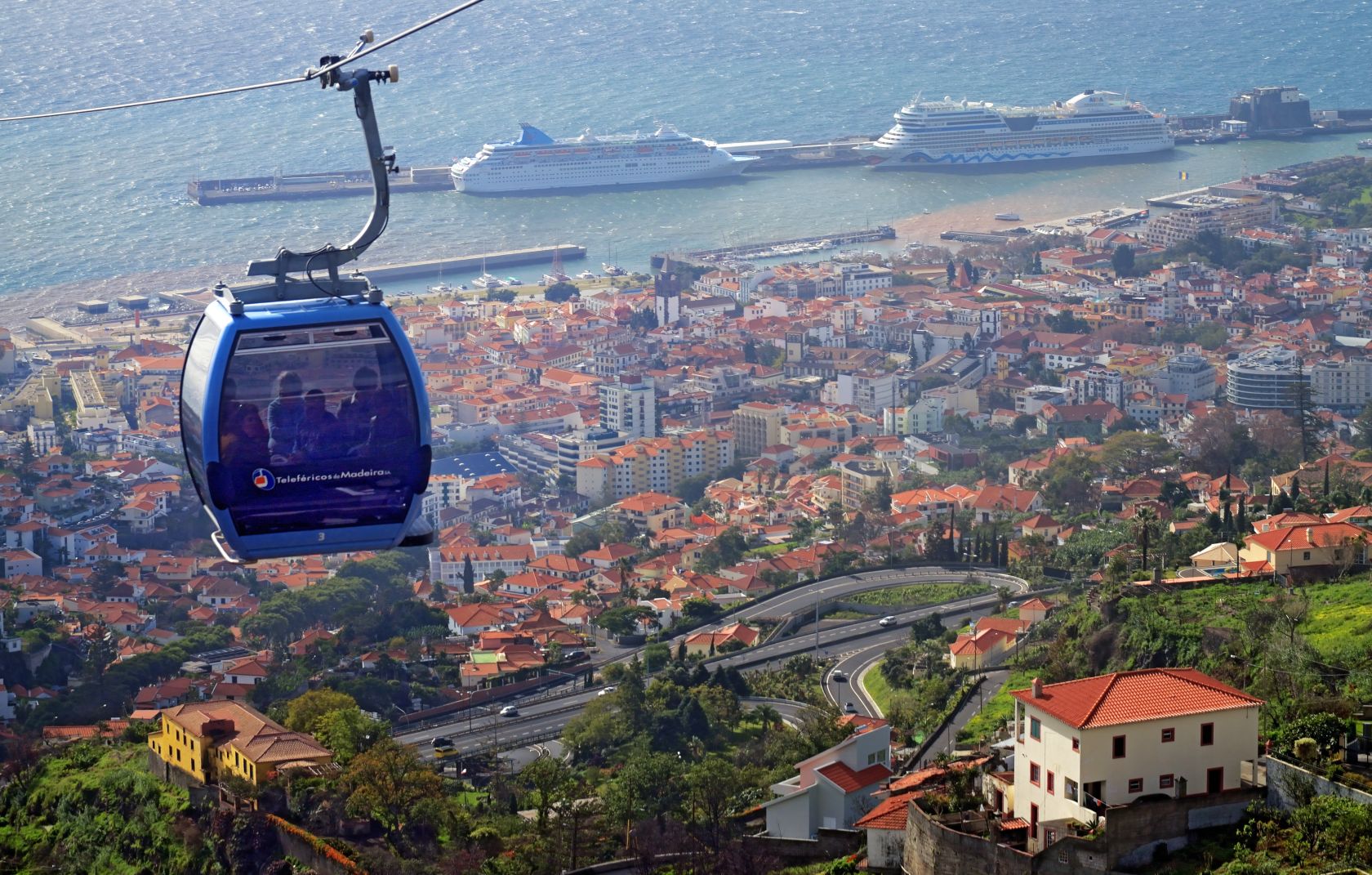
That balance is Madeira’s advantage. You can spend the morning above the clouds, swim in natural volcanic pools in the afternoon and be drinking poncha in Funchal that evening.
One useful change to know for 2026: Madeira’s classified walking routes now require advance reservations, and most non-resident visitors pay an access fee. Check individual trail conditions before setting out, as routes can also close or become restricted because of weather or safety conditions. (Visit Madeira)
3. Pico, Azores
Best for: Dramatic scenery
You know what Pico is about before the plane has even landed. Mount Pico rises to 2,351 metres, making it the highest point in Portugal and giving the island a silhouette unlike anywhere else in the country. (UNESCO World Heritage Centre)
Climbing it is the obvious challenge, but Pico would be worth visiting even if you never went near the summit. Along its western and northern coast, generations of islanders created thousands of tiny vineyard plots divided by walls of black basalt. The walls protect vines from Atlantic wind and salt spray, and the resulting Landscape of the Pico Island Vineyard Culture is recognised by UNESCO. (UNESCO World Heritage Centre)
The contrast is remarkable: black volcanic rock, intensely green vegetation, blue Atlantic and vines somehow growing between it all.

Pico is also one of the Azores’ principal whale-watching destinations, a modern industry that grew from the islands’ much older relationship with whales and the sea. (Visit Azores)
There is a ruggedness to Pico that feels very different from São Miguel. Come here for mountain days, wine tasting, whale watching and landscapes that constantly remind you that you’re standing on a volcano in the middle of the Atlantic.
4. Flores, Azores
Best for: Nature
If São Miguel is green, Flores takes the idea several steps further. This small western Azorean island is a landscape of crater lakes, hydrangeas, cliffs, streams and waterfalls, often all appearing within the same view.
The island’s most memorable sights are almost entirely natural. Poço do Bacalhau sends water tumbling down a high cliff near Fajã Grande, while the central highlands are scattered with volcanic lakes. Rocha dos Bordões provides something completely different: towering vertical columns of basalt formed by the island’s volcanic past. (Azores Scuba Diving)
Flores is only around 17 kilometres long, but driving distances can be deceptive when every bend seems to produce another reason to pull over. Hiking, canyoning and swimming in natural pools are among the best ways to experience it. (Visit Azores)
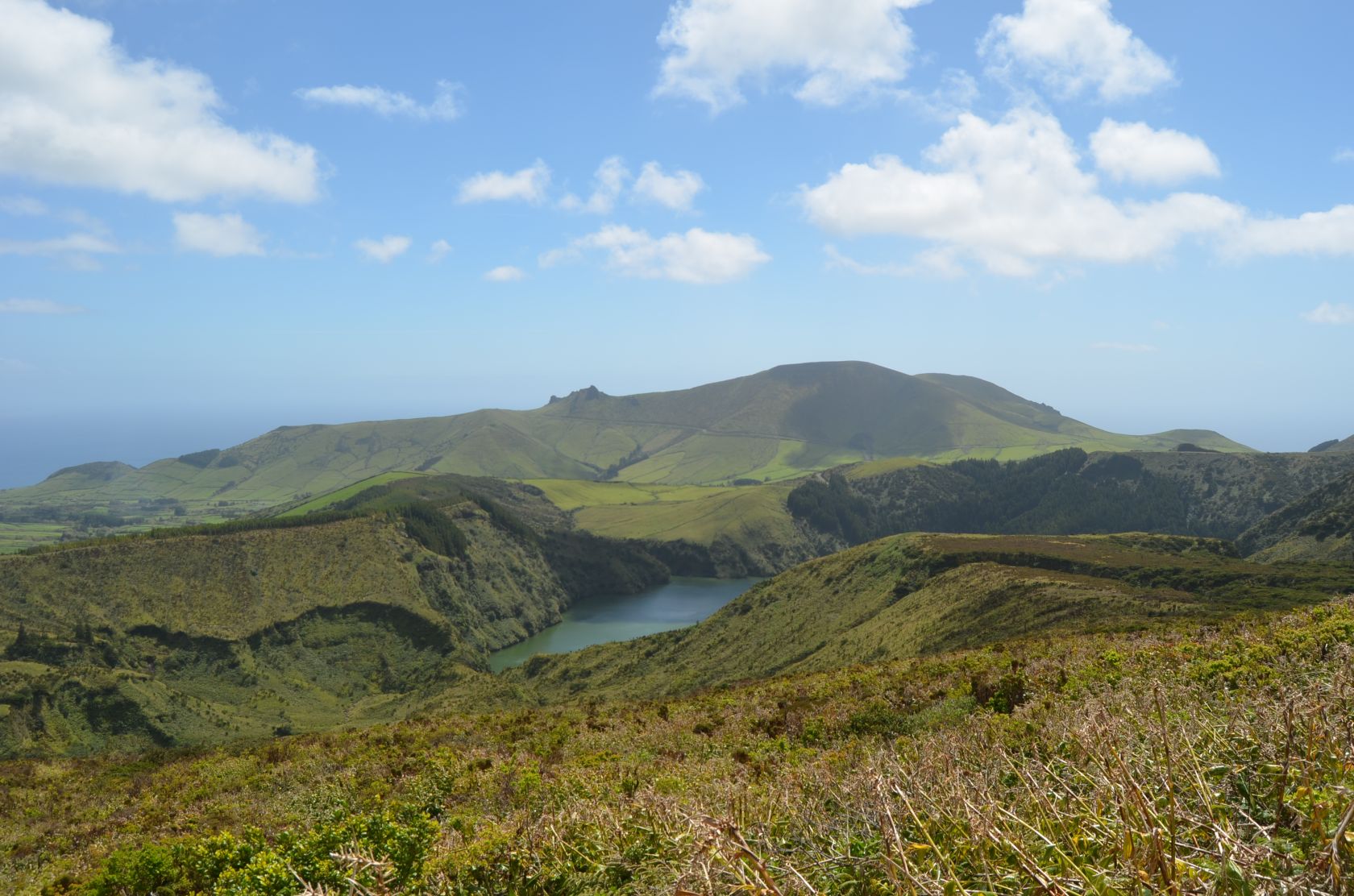
This isn’t the island for anyone wanting nightlife or a packed itinerary of attractions. That’s precisely its appeal. Flores feels remote even by Azorean standards, and the weather can be unpredictable.
Give yourself time, don’t schedule every hour and accept that the clouds are part of the scenery. On a clear day, there are few places in Portugal that feel more spectacular.
5. Terceira, Azores
Best for: Culture
Terceira proves that the Azores aren’t only about landscapes. Its capital, Angra do Heroísmo, was an important Atlantic port for centuries, and its historic centre has been a UNESCO World Heritage Site since 1983. Colourful façades, churches, forts and cobbled streets give the city a character quite unlike the more nature-dominated islands. (Azores Scuba Diving)
The island still delivers plenty of volcanic drama. At Algar do Carvão, visitors can descend inside an ancient volcanic vent, while the surrounding interior contains native forest, calderas and walking trails. (surf.visitazores.com)
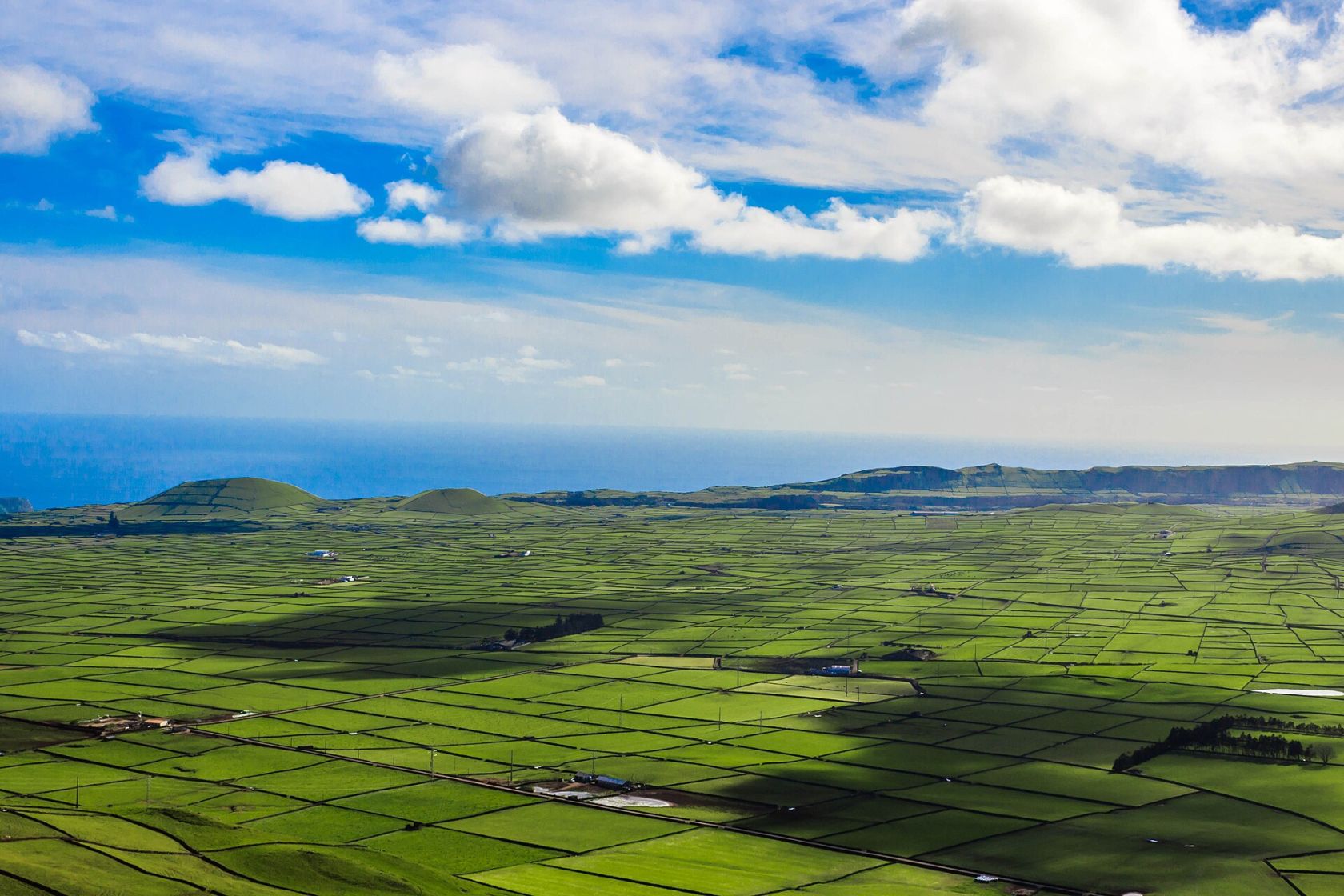
Terceira’s culture is perhaps its biggest distinction. Festivals and traditional impérios associated with the Holy Spirit are part of island life, and the local enthusiasm for touradas à corda, traditional street bull events in which the bull is controlled by a rope, is unlike anything most visitors will encounter elsewhere in Portugal.
There is also excellent eating, from alcatra, the island’s slow-cooked beef dish, to seafood and local cheeses.
Choose Terceira if you want Azorean scenery but don’t want nature to be the entire holiday. Here, history and everyday island culture are every bit as important as the volcanoes.
6. Porto Santo, Madeira Archipelago
Best for: Beaches
Porto Santo is the outlier on this list, and that is exactly why you might choose it.
While many of Portugal’s Atlantic islands are defined by dark volcanic coastlines and natural pools, Porto Santo has a nine-kilometre sweep of soft golden sand running along its southern coast. The sea is clear, the climate mild and the pace noticeably slower than neighbouring Madeira. (Visit Madeira)
Most people come to do very little, very successfully. Swim, walk the beach, eat grilled fish, repeat. But the island has more to it than a sun lounger. Volcanic formations such as Pico de Ana Ferreira reveal its geological history, while boat trips, diving, hiking and whale watching offer reasons to leave the beach. Porto Santo and its surrounding marine environment are also recognised as a UNESCO Biosphere Reserve. (Visit Madeira)
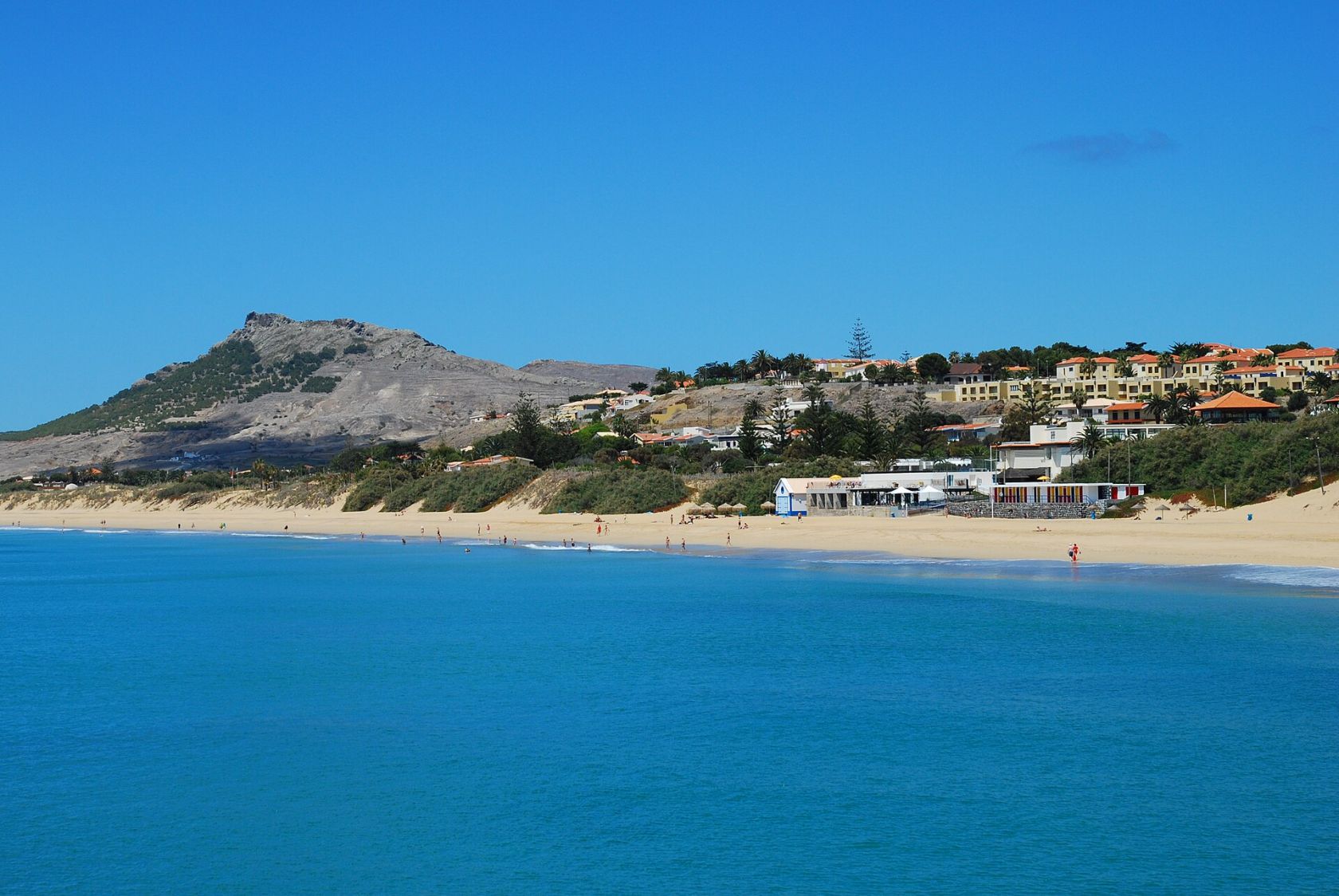
The contrast with Madeira makes combining the two particularly appealing. Spend several active days climbing mountains and exploring levadas, then come here to recover.
If your idea of an island holiday begins with sand between your toes rather than hiking boots on your feet, Porto Santo is the easiest choice on this list.
All recommendations within this article are informed by expert editorial opinion. If you click on a link in this story, we will earn affiliate revenue
7. São Jorge, Azores
Best for: Hiking
Long, narrow and edged by formidable cliffs, São Jorge looks dramatically different from its neighbours. The island stretches for 54 kilometres but is less than seven kilometres across at its widest point, forming a volcanic ridge high above the Atlantic. (Visit Azores)
Its defining feature is the fajã: a small area of flat land created at the foot of otherwise steep coastal cliffs by lava flows or landslides. São Jorge has dozens of them, and reaching some requires exactly the sort of walking that makes this island so rewarding. (Meetings & Incentives)
Fajã da Caldeira de Santo Cristo is perhaps the best known, reached on foot through scenery that moves between mountain, forest and ocean. Fajã dos Cubres and Fajã dos Vimes are among the other places worth seeking out. (Visit Azores)
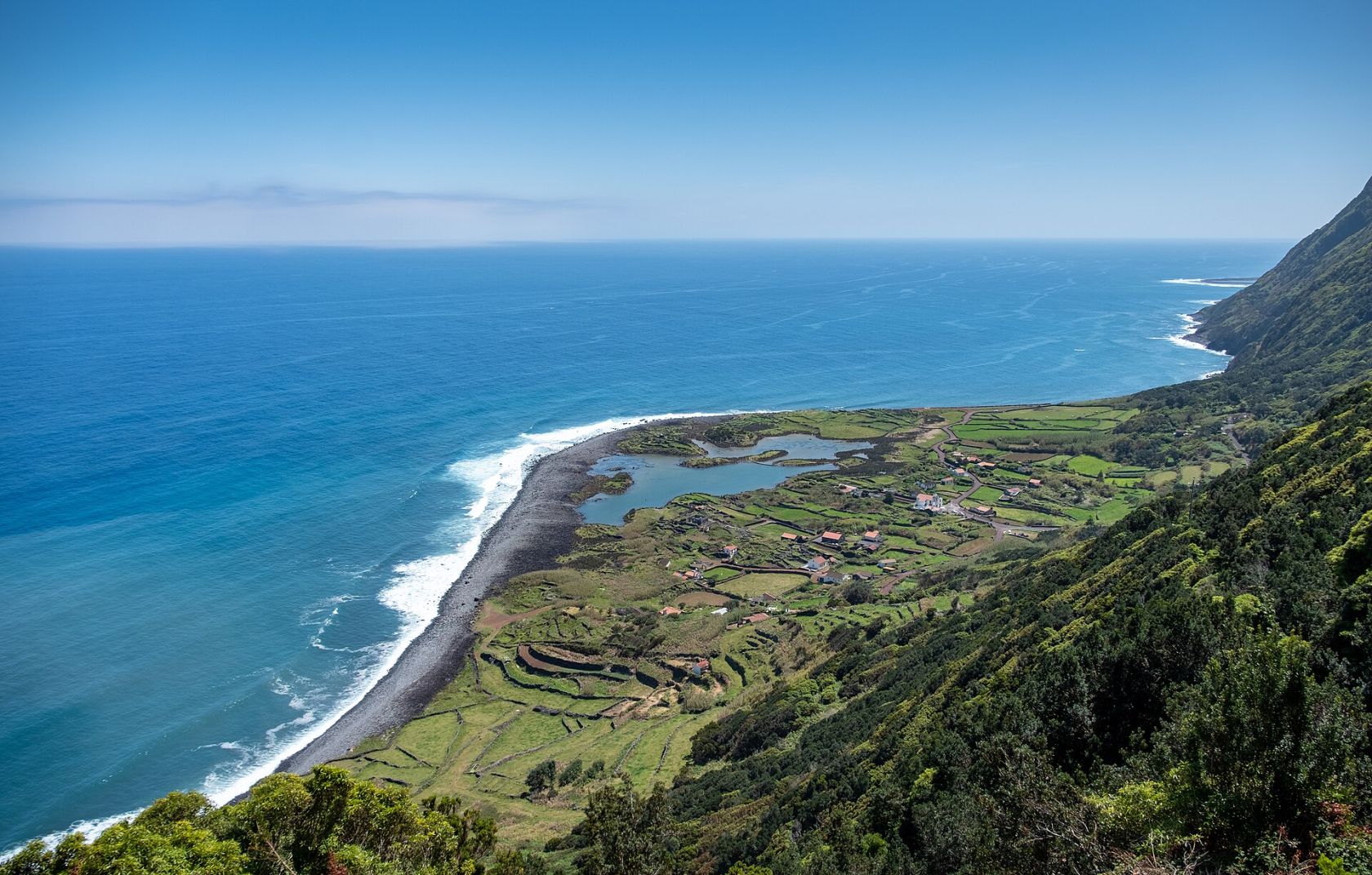
The island feels distinctly rural. Cattle graze on high pastures, small settlements hug the coast and São Jorge’s famous cheese is part of everyday life rather than a tourist novelty.
This is not an island to rush. Bring proper walking shoes, allow for changing Atlantic weather and make the journey itself the point. São Jorge rewards effort, which is precisely why walkers tend to love it.
8. Faial, Azores
Best for: Sailing and volcanic landscapes
Faial has always had one eye on the horizon. Horta Marina is a famous stopping point for yachts crossing the Atlantic, and sailors have traditionally painted their boat names and insignia onto the harbour walls before continuing their journeys. The result is a town with an international, seafaring personality that feels unusual for an island of this size. (Azores Scuba Diving)
Then there is Capelinhos.
A volcanic eruption beginning in 1957 transformed the western end of Faial, adding new land and leaving behind an eerie landscape of dark ash around the old lighthouse. The Capelinhos Volcano Interpretation Centre tells the story of the eruption and its profound effect on island life. (Meetings & Incentives)
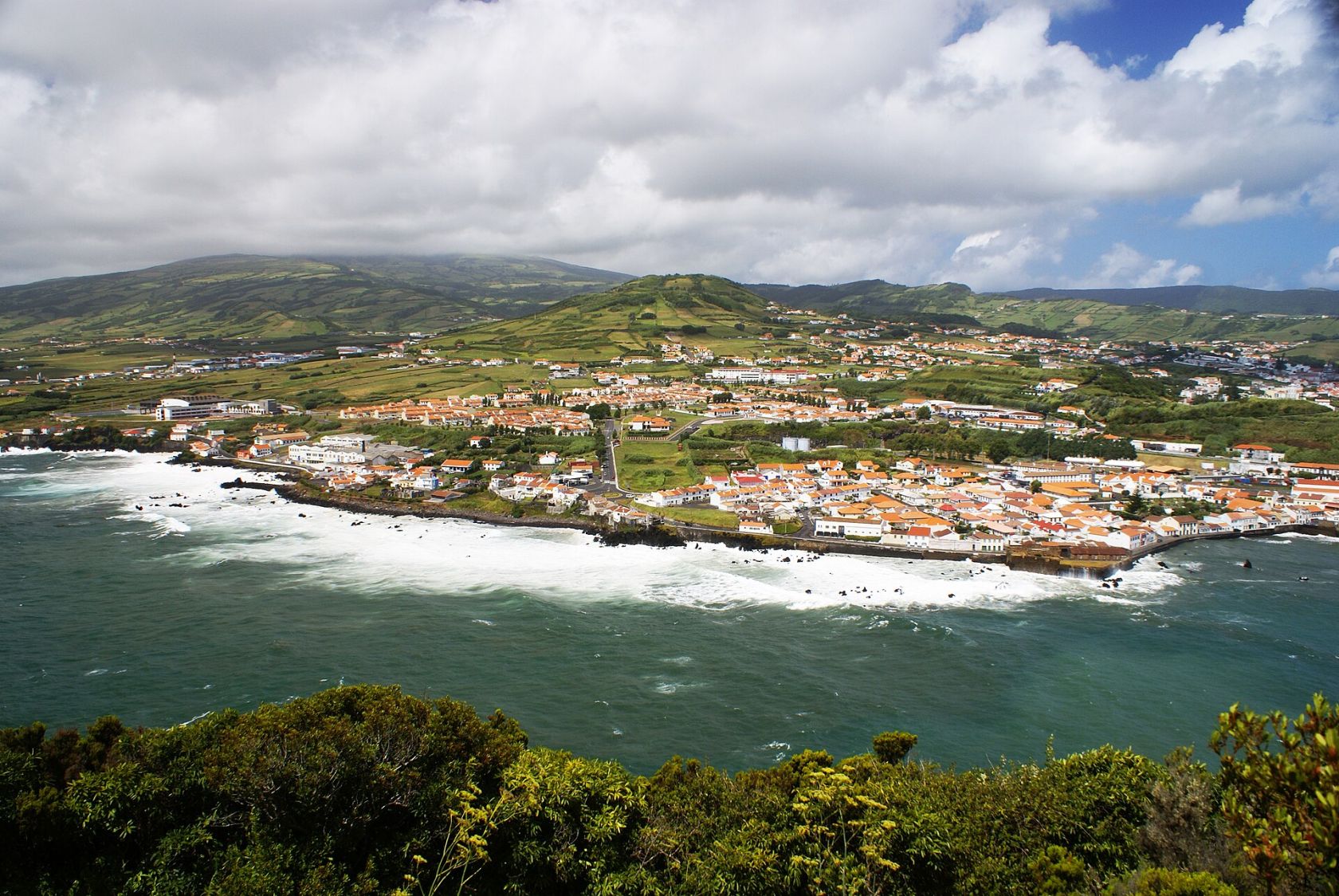
Elsewhere, Faial turns green again. Its enormous central caldera can be explored on foot, and longer trails cross the island’s volcanic terrain towards Capelinhos. (Azores Trails)
Faial also works beautifully as part of an island-hopping trip. Pico sits just across the channel, close enough that its mountain dominates the view on a clear day.
Come for the volcanoes, stay for Horta’s maritime atmosphere, and have a drink at Peter Café Sport before watching another yacht disappear into the Atlantic.
9. Santa Maria, Azores
Best for: A slower island escape
Santa Maria doesn’t shout for attention. Sitting at the southeastern edge of the Azores, it is smaller, gentler and in places noticeably drier than many of its neighbours.
It also has beaches. Praia Formosa is the island’s best-known stretch of sand and one of the reasons Santa Maria feels different from the darker volcanic coastlines usually associated with the Azores. São Lourenço Bay, meanwhile, curves beneath steep slopes patterned with vineyards and terraces, creating one of the island’s prettiest coastal views. (Visit Azores)
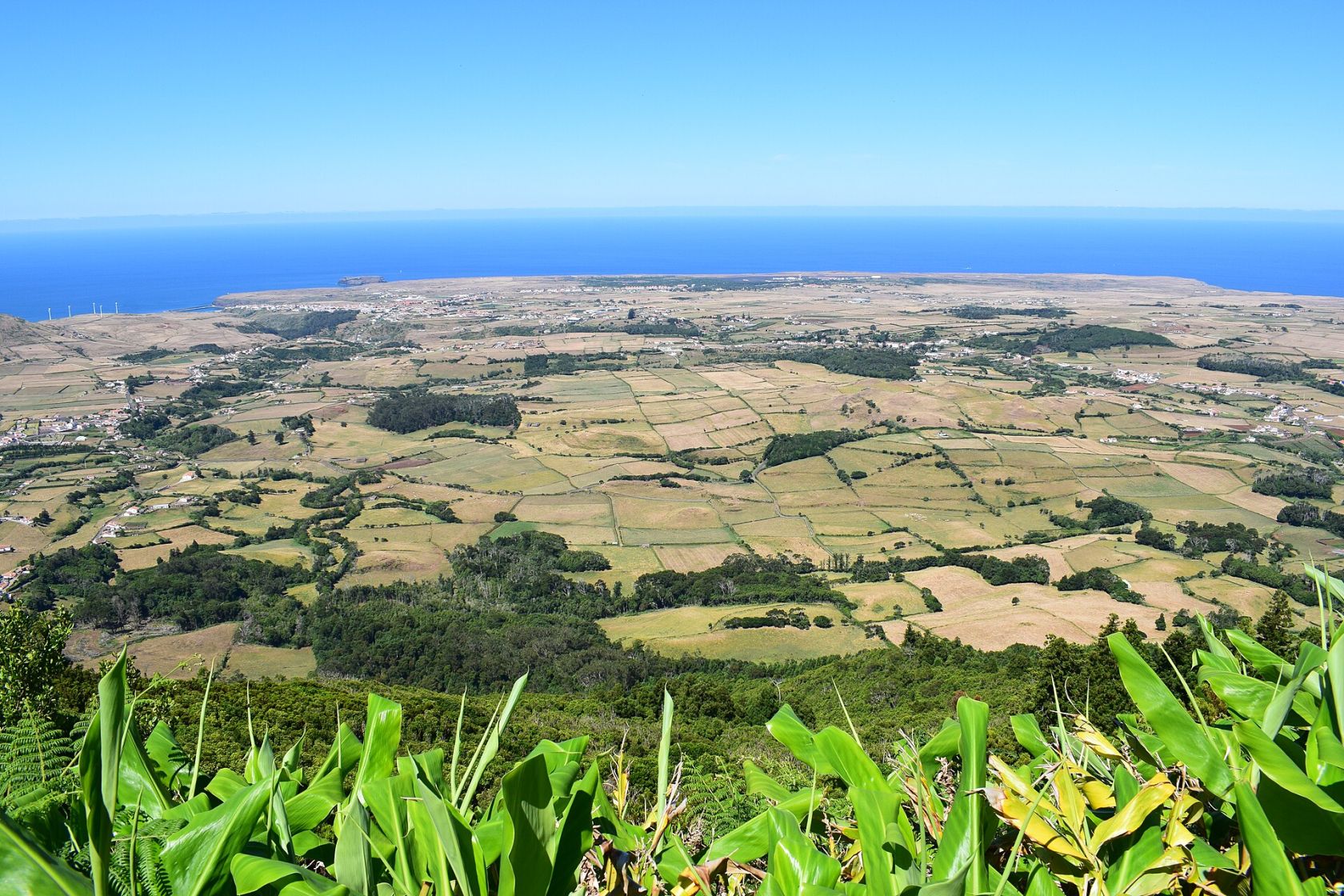
Away from the water, the landscape keeps changing. Barreiro da Faneca is famous for its reddish earth, a startling contrast to the greens and blues elsewhere on the island, while fossils provide evidence of Santa Maria’s particularly rich geological history. (Visit Azores)
There is hiking and diving if you want activity, but Santa Maria isn’t somewhere that demands a checklist. Villages are small, roads are uncrowded and the rhythm is decidedly unhurried.
For travellers who have already experienced the bigger Azorean islands, or anyone who simply wants a few days of swimming, walking and switching off, that lack of urgency may be Santa Maria’s greatest luxury.
Which Portuguese island should you choose?
For a first visit to the Azores, São Miguel is the safest all-round choice. Pick Madeira if you want serious hiking without giving up restaurants and nightlife, and Porto Santo if the beach matters more than the mountains.
For something wilder, Flores delivers extraordinary nature, Pico combines mountain scenery with wine and whale watching, and São Jorge is made for walkers. Terceira offers the strongest dose of history and culture, while Faial combines Atlantic sailing heritage with some of Portugal’s most fascinating recent volcanic landscapes. And if what you’re really looking for is somewhere to disappear for a few days, Santa Maria might be the one.
The difficulty isn’t finding a Portuguese island worth visiting. It’s deciding which one to visit first.
Set The Portugal News as your preferred source for news on Google
 Add as a preferred source on Google








 Portugal Handbook
 English
 Nederlands
 Deutsch
 Français
 Español
 Italiano
 Svenska
 Pусский
 中文
中文 Türkçe
 Português
 Czech
Czech Hungarian
 Polski
 عربي
عربي Suomi
Suomi עִברִית
 Português (Brasil)
Follow us on social media