


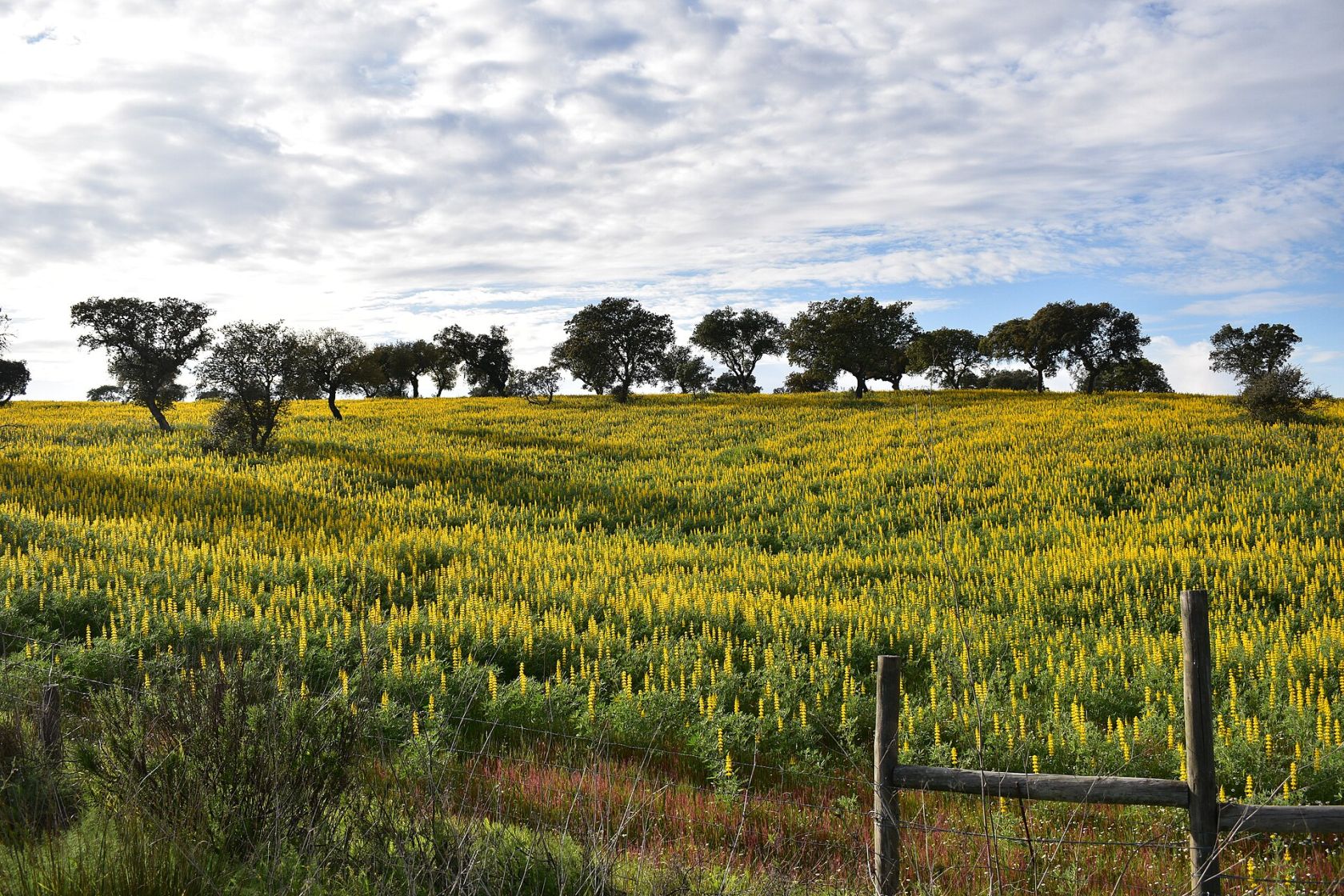
Living in the Alentejo provides a more peaceful daily routine which involves getting close to nature, so that residents can enjoy the seclusion of the countryside while at the same time being near towns with basic facilities such as pharmacies, health centres and local shops.
It is necessary to carefully consider the practical and infrastructural aspects if one is to live in a rural property all year round. Factors such as access to roads in winter, the source of water (whether it is from the public water main, boreholes, or wells), the reliability of electricity, sanitation and telecommunications networks, together with the level of thermal insulation and the size of the land, have a decisive influence on the decision to buy such a property. When carrying out the restoration of older buildings, it is also important to check with the local authorities as to the legal status of the buildings and to provide for any unexpected costs that may arise from the renovations.
The geographic variety of the region is just as clearly seen in the range and prices available in the real estate market. In places like the Alentejo Coast, Alcácer do Sal, and Montemor-o-Novo the most valuable properties can be found because of their close location to Lisbon and the sea, whereas in the areas near Évora and Beja there is a balance between tranquillity and access to urban centres; on the other hand, the Alto Alentejo and the Portalegre district turn out to be more affordable options situated in rich green landscapes.
 Add as a preferred source on Google







 Portugal Handbook
 English
 Nederlands
 Deutsch
 Français
 Español
 Italiano
 Svenska
 Pусский
 中文
中文 Türkçe
 Português
 Czech
Czech Hungarian
 Polski
 عربي
عربي Suomi
Suomi עִברִית
 Português (Brasil)
Follow us on social media