


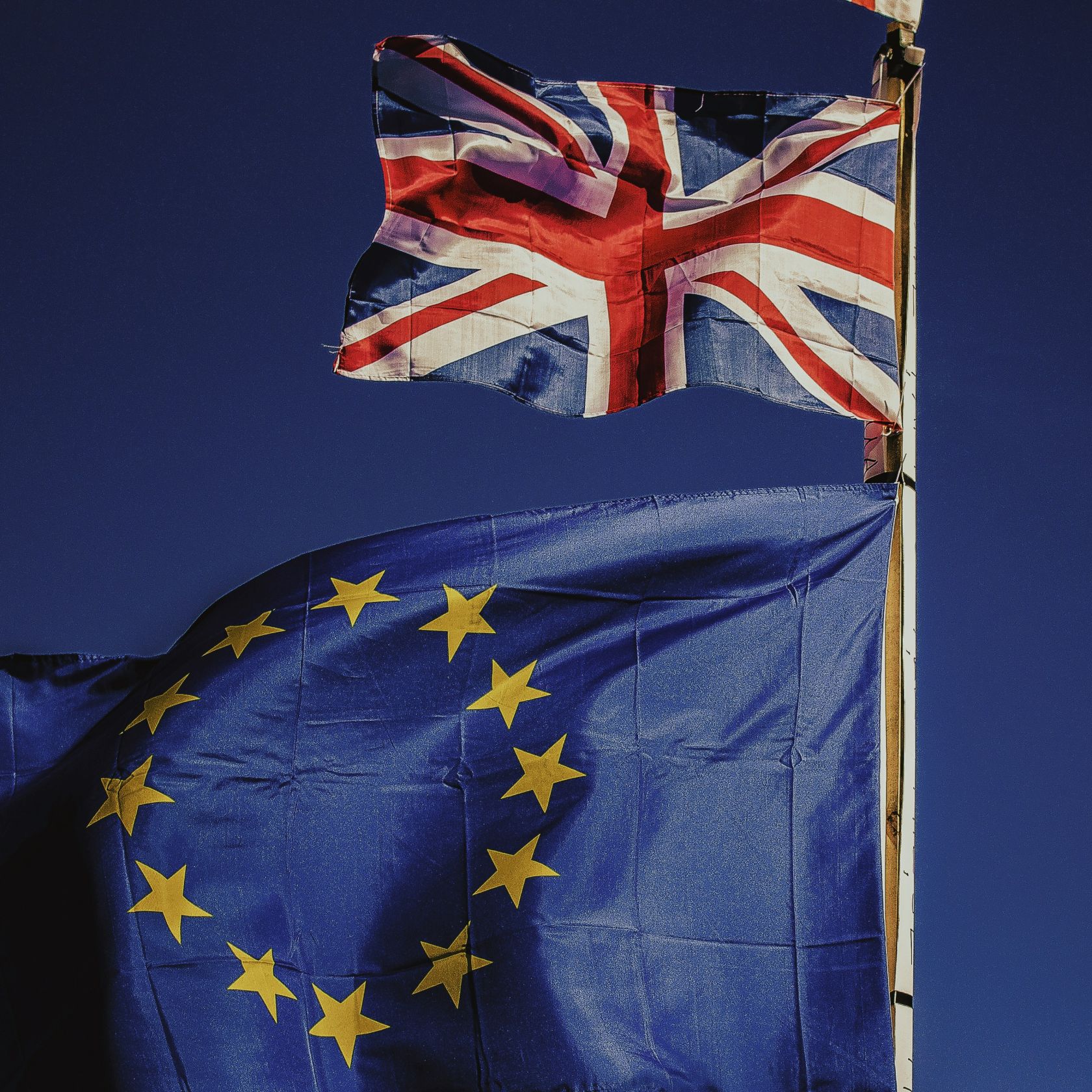
Burnham was asked whether Labour could include rejoining the EU in a future election manifesto as he travelled to New York for the United Nations General Assembly.
He didn’t say yes, but importantly, he didn’t say no either.
Instead, the Prime Minister said his immediate focus was on improving Britain’s relationship with Europe and preparing for a UK-EU summit which he hopes will take place later this year.
Burnham said his priority was to build on the work started by former Prime Minister Keir Starmer in repairing relations with Brussels and move towards practical agreements that could benefit the British economy.
Youth mobility is expected to be one of the subjects on the table.
The summit had originally been planned for July but was postponed following Starmer’s resignation.
Closer to Europe, but not rejoining
Burnham’s comments stop well short of announcing any plan to reverse Brexit.
His government has said it will continue, for now, to respect Labour’s existing Brexit red lines. These rule out rejoining the EU, the European single market or a customs union, as well as a return to freedom of movement. (Cyprus Mail)
At the same time, Burnham has made no secret of wanting a closer relationship with Europe.
During a meeting with Irish Taoiseach Micheál Martin in Manchester last week, he said the government wanted to take further steps to deepen its relationship with the EU.
Martin said closer UK-EU ties would benefit both Ireland and the European Union.
Burnham has previously described Brexit as damaging and has spoken in favour of Britain eventually returning to the bloc. During his campaign for the Makerfield by-election earlier this year, however, he said he did not want to rerun the arguments surrounding the 2016 referendum.
There has also been pressure from within Labour to rethink Britain’s relationship with Europe. Defence Secretary Wes Streeting said earlier this year that he believed Britain’s future lay with Europe and that the country should eventually return to the EU.
For the moment, none of that amounts to a change in government policy.
Burnham’s more immediate plans centre on trade, economic cooperation and rebuilding relations with Brussels.
Whether that eventually leads to a debate about Britain actually going back into the European Union is, as the Prime Minister put it, a question for another day.
 Add as a preferred source on Google







 Portugal Handbook
 English
 Nederlands
 Deutsch
 Français
 Español
 Italiano
 Svenska
 Pусский
 中文
中文 Türkçe
 Português
 Czech
Czech Hungarian
 Polski
 عربي
عربي Suomi
Suomi עִברִית
 Português (Brasil)
Follow us on social media