


When a patient arrives at an emergency department in critical condition, nobody asks whether the doctor or the nurse will save the day. What matters is that the healthcare team works together, communicates effectively, and provides safe and timely care.
In real clinical practice, doctors and nurses depend on each other every day. They share information, make decisions together, and combine their knowledge and skills to achieve the best possible outcomes for patients. Yet, despite this reality, students from these professions often spend most of their university education learning separately.
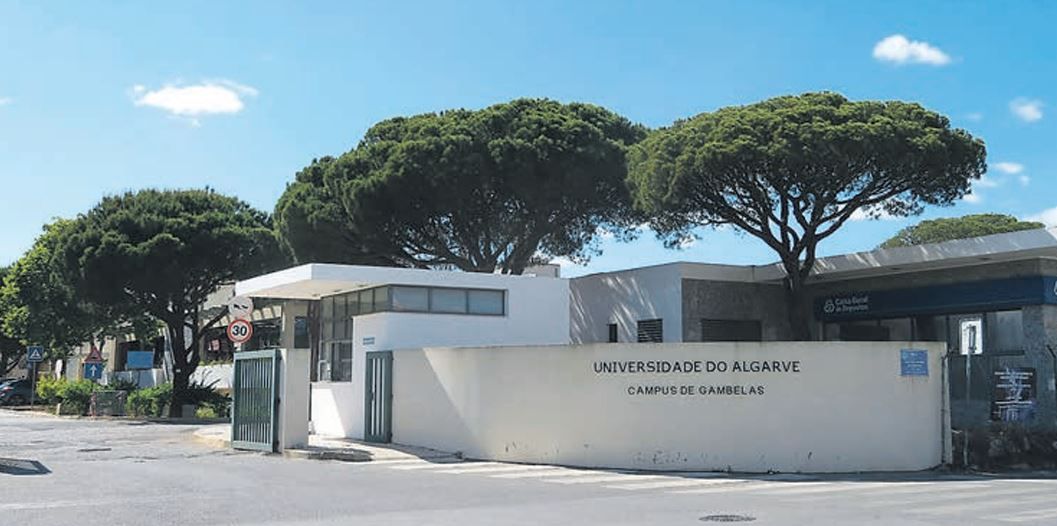
Recognising this gap, the University of Algarve developed a pioneering simulation-based training programme that brought together final-year medical and nursing students. The initiative was designed not only to improve clinical competencies but also to strengthen communication, teamwork, and patient safety skills. Using principles from Crisis Resource Management (CRM) and TeamSTEPPS, students were given the opportunity to experience what it truly means to work as a healthcare team before entering professional practice.
More Than Learning Clinical Skills
Healthcare education has traditionally focused on developing technical knowledge and clinical competence. Students learn how to diagnose, assess, and treat patients. These skills are essential, but they are only part of what makes healthcare safe.
Many adverse events in healthcare occur not because professionals lack knowledge, but because teams fail to communicate effectively. Important information may not be shared, concerns may not be voiced, or responsibilities may not be clearly understood.
For students, these realities can be difficult to appreciate in the classroom. Simulation provides a solution by allowing learners to experience realistic clinical situations where teamwork becomes just as important as clinical knowledge.
During the programme, students faced challenging patient scenarios that required them to assess situations, prioritise interventions, communicate clearly, and support one another. They quickly discovered that solving clinical problems was not enough. Success depended on listening, sharing information, and working together.
Meeting Future Colleagues Before Graduation
One of the most valuable aspects of the programme was bringing together future doctors and future nurses in a shared learning environment.
For many participants, this was the first opportunity to work closely with students from another healthcare profession. Although they would eventually become colleagues, they had spent most of their education following different learning paths.
At the beginning of some simulation sessions, students naturally focused on the responsibilities of their own profession. However, as scenarios progressed and discussions developed, they began to understand how much they relied on each other.
Medical students gained a deeper appreciation of the nursing role in patient monitoring, clinical assessment, coordination of care, and early recognition of deterioration. Nursing students developed a better understanding of medical decision-making processes and clinical reasoning.
Most importantly, students discovered that effective patient care is never the result of individual effort alone. It is the product of collaboration, mutual respect, and shared responsibility.
Learning Through Realistic Experiences
Simulation creates a unique learning environment because it feels real while remaining completely safe.
Students can make decisions, experience pressure, and even make mistakes without causing harm to actual patients. This freedom to learn through experience is one of simulation's greatest strengths.
The scenarios used in the programme reflected situations commonly encountered in healthcare settings, particularly in emergency and acute care. Participants managed deteriorating patients, responded to unexpected complications, and faced situations where rapid action was required.
As the scenarios unfolded, students experienced many of the emotions they will encounter in professional practice: uncertainty, time pressure, stress, and responsibility.
These emotional elements transformed the simulations into powerful learning experiences. Students were not simply observing healthcare; they were actively living it.
The Contribution of CRM and TeamSTEPPS
The programme was guided by two internationally recognised approaches to teamwork and patient safety: Crisis Resource Management and TeamSTEPPS.
Initially developed in aviation, CRM focuses on how teams perform in high-pressure situations. It teaches professionals to maintain situational awareness, communicate effectively, use resources wisely, and support sound decision-making.
At the same time, TeamSTEPPS offers practical strategies to improve teamwork. Students learned how to conduct briefings, confirm information through closed-loop communication, provide mutual support, and perform structured handovers.
Although these concepts may seem simple, students quickly realised how powerful they can be. Small communication failures sometimes led to confusion within teams, while clear communication often improved performance significantly.
Perhaps the most important lesson was that patient safety depends on everyone having a voice. Students learned that raising concerns, asking questions, and speaking up are signs of professionalism rather than weakness.
Reflection and Personal Growth
Some of the most meaningful learning occurred after the simulation scenarios had ended.
During debriefing sessions, students reflected on their actions, decisions, and interactions. They discussed what had gone well, what could have been improved, and how teamwork influenced the outcome of patient care.
These conversations were honest and constructive. Students often recognised strengths they had not previously noticed and identified areas for future development.
Many participants reported increased confidence in their ability to communicate with colleagues from other professions. Others highlighted a greater understanding of the challenges faced by different team members.
The experience encouraged self-awareness, humility, and openness to continuous learning, qualities that are essential for healthcare professionals throughout their careers.
Building a Culture of Patient Safety
Beyond individual learning, the programme contributed to the development of a culture centred on patient safety.
From the first scenario to the final debriefing, students were reminded that safe care is a collective responsibility. Every team member has valuable knowledge to contribute, and every perspective matters.
By learning these principles before graduation, students begin their professional careers with a stronger understanding of collaborative practice. They enter healthcare settings prepared not only to perform clinical tasks but also to contribute positively to team performance.
This early exposure to interprofessional teamwork may help reduce barriers between professions and foster a culture of trust, respect, and cooperation.
Conclusion
The interprofessional simulation programme at the University of Algarve represents much more than an innovative educational activity. It demonstrates a commitment to preparing future healthcare professionals for the realities of modern patient care.
By bringing together final-year medical and nursing students, the initiative created an opportunity for genuine collaboration before professional practice began. Through realistic simulation, CRM principles, and TeamSTEPPS strategies, participants learned essential lessons about communication, teamwork, and patient safety.
Perhaps the greatest achievement of the programme was helping students understand a simple but fundamental truth: healthcare works best when professionals learn together, trust each other, and place the patient at the centre of everything they do.
Beyond its immediate educational outcomes, this pioneering initiative creates a lasting learning culture. Students exposed to simulation-based interprofessional education enter professional practice better prepared to participate in advanced simulation programmes, including those delivered by INEM, maximizing the benefits of continuous training and ultimately contributing to safer patient care.
In a world where teamwork is increasingly recognised as a cornerstone of safe healthcare, this pioneering experience offers an inspiring example of how education can help build stronger professionals, stronger teams, and ultimately safer care for all.
Set The Portugal News as your preferred source for news on Google
 Add as a preferred source on Google






 Portugal Handbook
 English
 Nederlands
 Deutsch
 Français
 Español
 Italiano
 Svenska
 Pусский
 中文
中文 Türkçe
 Português
 Czech
Czech Hungarian
 Polski
 عربي
عربي Suomi
Suomi עִברִית
 Português (Brasil)
Follow us on social media