


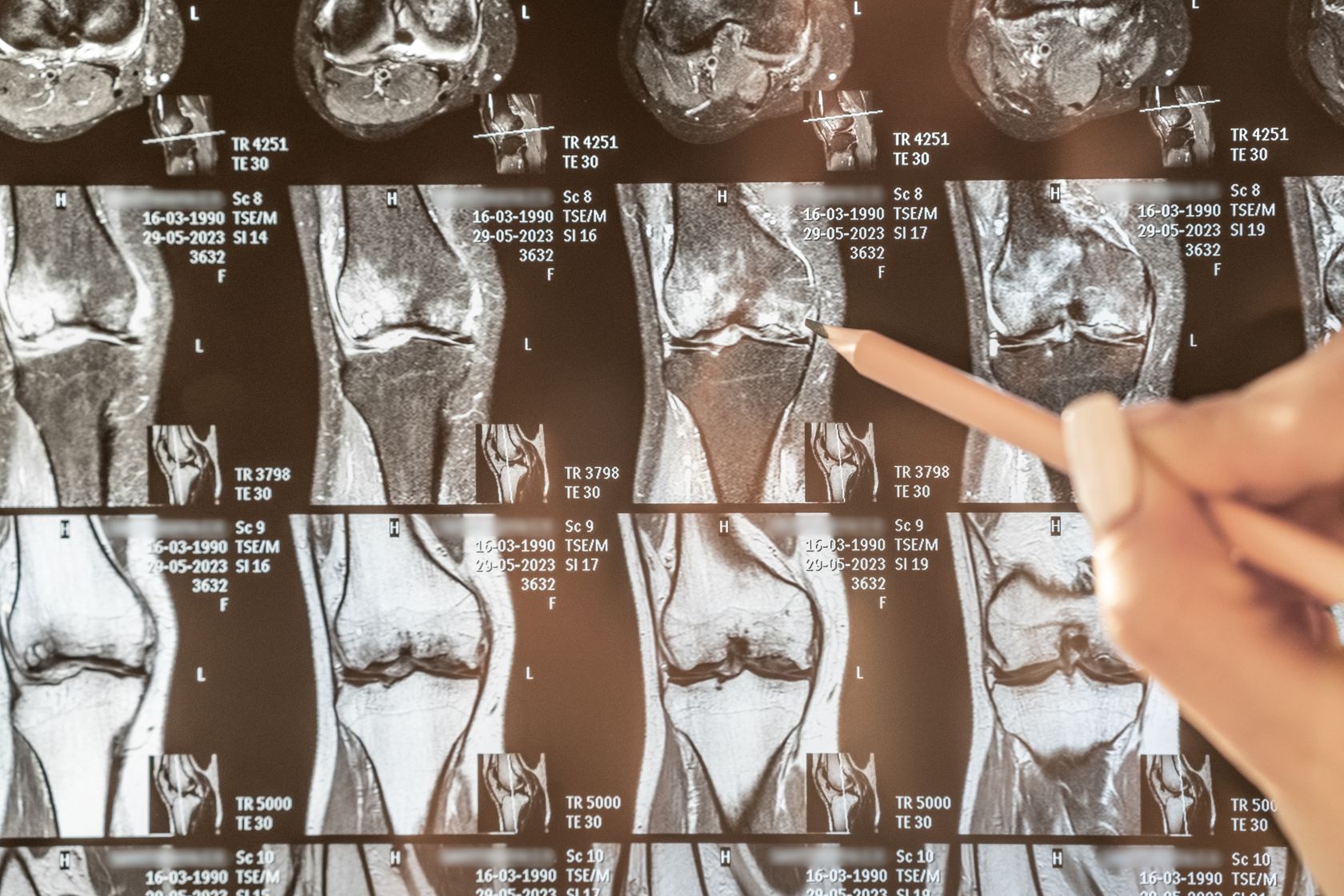
As a current wheelchair user due to a broken leg, I have struggled recently with getting out and about. Unless you are currently in one, albeit permanently or temporarily, you have no idea what it really means.
Many areas in Portugal are paved with calçada, some crafted into pretty designs, made from small, hand-cut stone cobbles. Very nice, very traditional. They aren’t easy to walk on at the best of times, especially where sections have been removed for underground work or where drain covers are installed, but try going over them in a wheelchair, as the shaking triggers whole-body vibration and could shake the fillings out of your teeth. Then there’s the ‘Caster Flutter Effect’ (I didn’t realise that was a real ‘thing’ until it started happening), when the small front wheels hit an uneven surface at a certain speed, lose contact with the ground and cause violent oscillation, which will probably mean getting the Allen keys out to tighten loose bolts later.
Pathways
Some areas have become totally unavailable, as they are too narrow for a wheelchair. A visit to the local hairdresser and the dentist’s office has therefore been put on hold, and if other doorways involve the calçada and are too narrow, I am in double trouble. Apparently, accessible pedestrian routes in general in Portugal require a minimum clear width of 1.20 meters free of any obstacles, and sidewalks adjacent to main roads etc. must have a clear, unobstructed width of at least 1.50 meters – neither measurement is barely enough for two wheelchairs passing each other without clashing elbows or footplate entanglements.
Parking Areas
I am aware that to use wheelchair access parking you need an official pass. You must have a recognised degree of incapacity (usually ≥ 60% for permanent physical/motor disabilities, autism, or intellectual disabilities; ≥ 95% for visual impairments) certified by a Portuguese multi-purpose medical certificate. They are free and are generally valid for 10 years if you qualify, but not much good to me, as I needed one at short notice and hopefully for the short term. Why don’t they offer a short-term parking pass, valid for, say, 3 months? I cheekily toyed with the idea of just getting a blue sticker picture of a wheelchair and attaching it to the inside of the windscreen or back window of the car, but as I can’t drive right now either, I am relying on the kindness of others to take me places, so the sticker would have to be changed with every lift I get.
Shopping in a wheelchair
I have invested in a lightweight wheelchair that folds up for use on shopping trips. Despite needing the strength of Samson to “drive” – and being fine on a flat surface - the gentlest of slopes going to and from shops can be exhausting without someone to help, and rolling backwards is a real fear. Ever tried pushing a trolley from a wheelchair? You can’t do it on your own, as you don’t have enough hands to guide the trolley or basket plus propel yourself. And once you are in the shop, frustratingly, you can’t reach the top shelves from a sitting position. With some clothing stores having aisles that get progressively narrower and narrower, you are battling through a sea of clothing just to get in.

Parking outside stores
I have been to a couple of stores to find that the only lowered area of the pavement is blocked by a car, as someone has unwittingly parked, probably just popped in to make a quick purchase.
Another irritant I found was that once in stores, some members of the public don’t think to move out of the way of someone in a wheelchair, but it would be so easy for them – a quick step to the left or right, yet they expect me to manoeuvre around them. Then they direct questions or conversation to my companion instead of to me, in the chair, as if I’m invisible.
But one thing I do like is the ability to jump queues, thanks to everyone who made room at the head of the queue to let me through.
Set The Portugal News as your preferred source for news on Google
 Add as a preferred source on Google


 Portugal Handbook
 English
 Nederlands
 Deutsch
 Français
 Español
 Italiano
 Svenska
 Pусский
 中文
 Türkçe
 Português
 Czech
 Hungarian
 Polski
 عربي
 Suomi
 עִברִית
 Português (Brasil)

Follow us on social media