


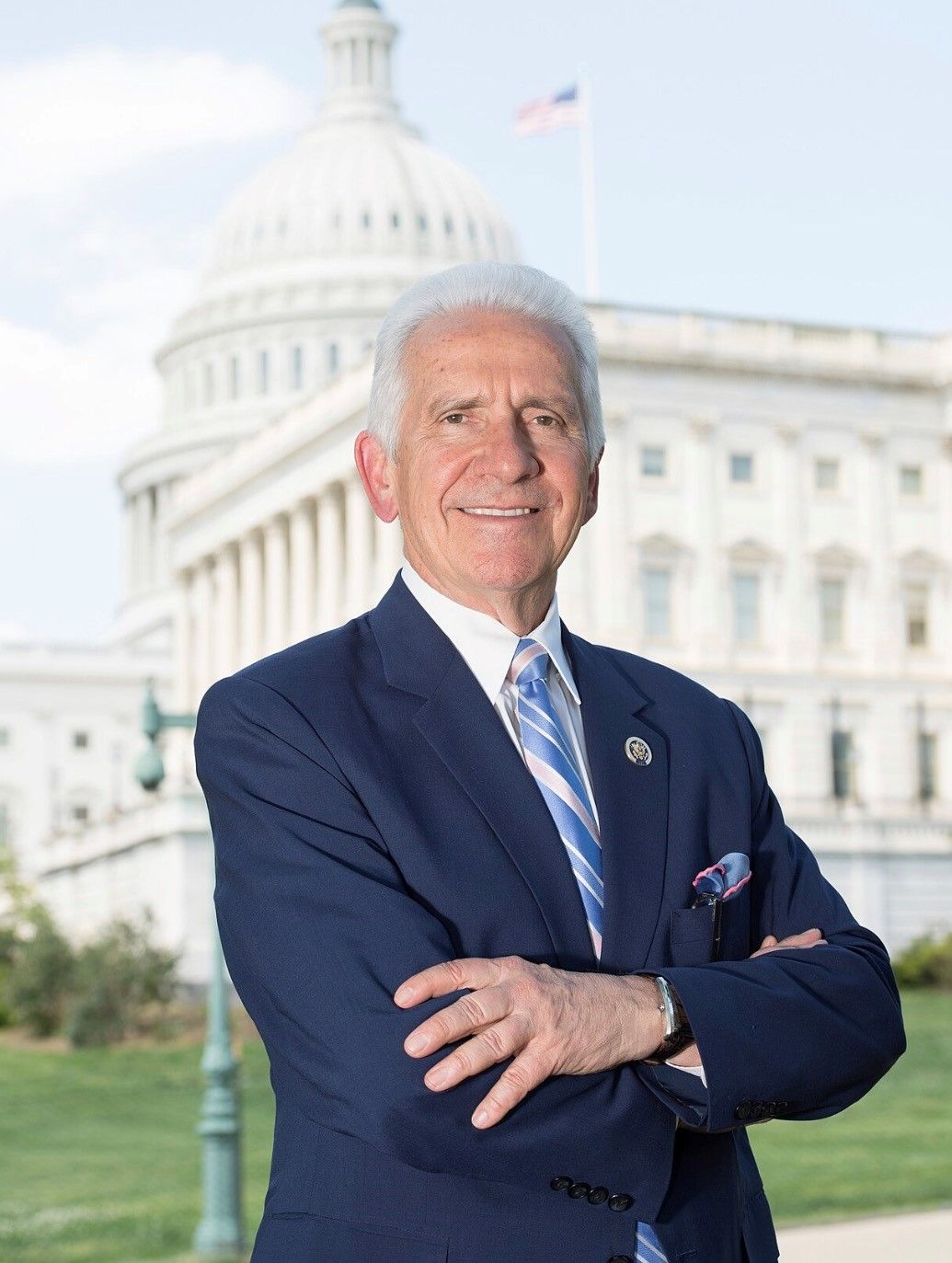
3 November elections saw Democrats win control of both chambers of Congress, dealing a major political setback to President Donald Trump while producing significant changes in representation across the country.
One of the biggest surprises came in Texas, where Democrat Gina Hinojosa defeated Republican Governor Greg Abbott, becoming the state’s first Latina governor and ending more than three decades of Republican control of the office.

Historic breakthroughs
In Georgia, former Atlanta mayor Keisha Lance Bottoms became the first Black woman elected governor in US history. Her victory also made her the first woman and first Black person elected to lead Georgia.
Michigan elected Democrat Abdul El-Sayed, a physician and former public health official, as the first Muslim American elected to the US Senate.
New Hampshire also recorded a milestone, with Democrat Chris Pappas becoming the first openly gay man elected to the US Senate.
New York made history with the election of Democrat Claire Valdez, a member of the Ysleta del Sur Pueblo Nation, who became the first Native American woman elected to Congress from the state. Valdez won New York’s 7th Congressional District, representing parts of Brooklyn and Queens.
Meanwhile, New Mexico elected Deb Haaland as the first Native American woman governor in US history. A member of the Laguna Pueblo, Haaland previously served as US Secretary of the Interior, becoming the first Native American Cabinet secretary.
Minnesota made history when Peggy Flanagan, a member of the White Earth Band of Ojibwe, became the first Native American woman elected to the US Senate.
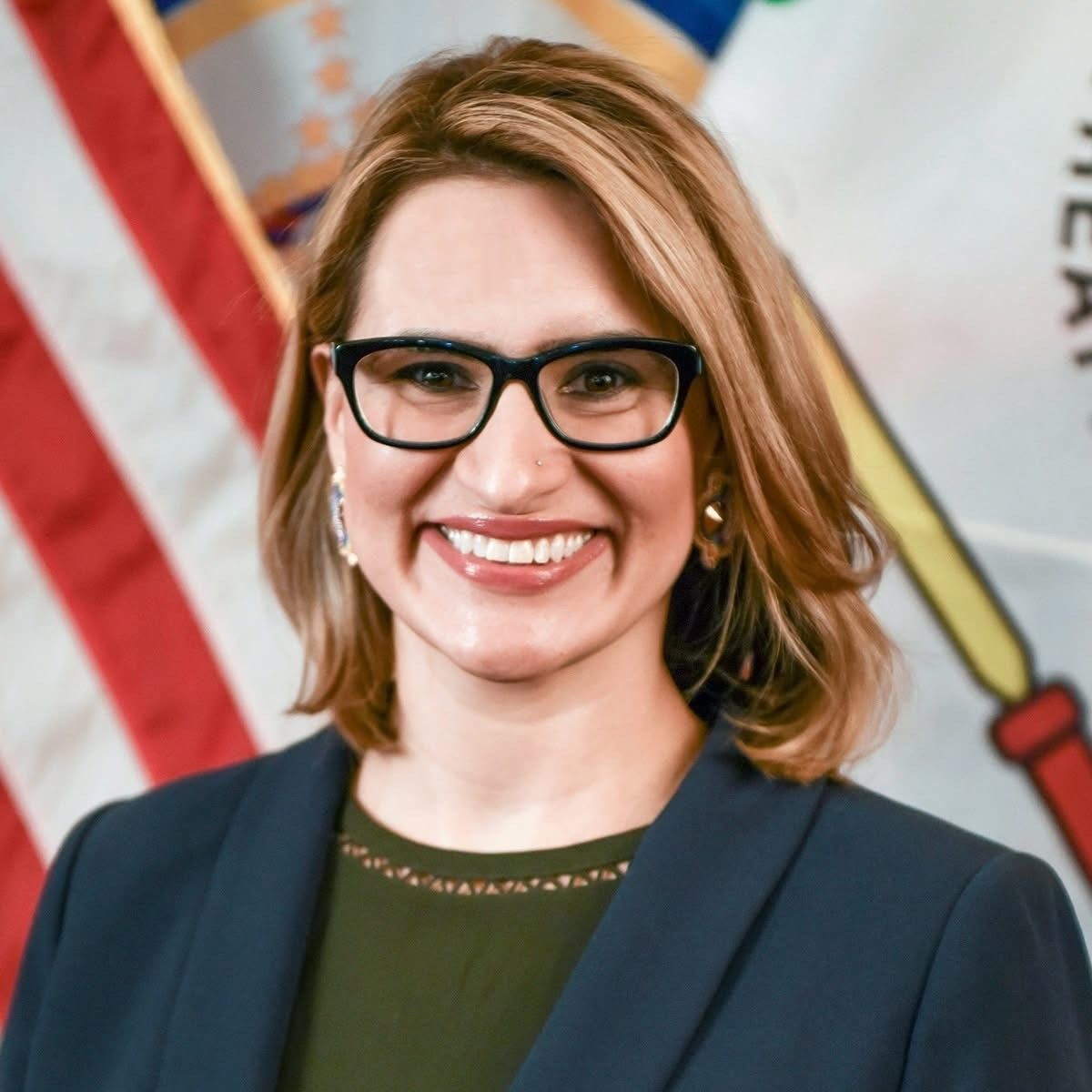
California also elected Xavier Becerra as its first elected Latino governor, while Wisconsin and Nevada chose their first Black governors, Democrats David Crowley and Aaron Ford.
The milestones were not limited to Democrats. Republican Byron Donalds became Florida’s first Black governor, while Marsha Blackburn became the first woman elected governor of Tennessee.
Portuguese-American representation
The elections also brought important results for politicians with Portuguese ancestry, particularly in California and Massachusetts, where Portuguese-American communities have longstanding roots.
Democrat Jim Costa, whose grandparents emigrated from Terceira in the Azores, secured re-election to the US House of Representatives in California’s 21st Congressional District.
Costa has served in Congress since 2005 and is among its longest-serving representatives of Portuguese descent.
In Massachusetts, Democrat Lori Loureiro Trahan was re-elected in the state’s 3rd Congressional District, maintaining Portuguese-American representation on the East Coast.
California Democrat Sam Liccardo, who has acknowledged Portuguese ancestry, secured re-election in the state’s 16th Congressional District.
However, Republican David Valadao, another congressman of Portuguese descent, lost his seat in California’s 22nd Congressional District to Democrat Randy Villegas.
According to Portuguese news agency Lusa, Valadao’s defeat leaves Costa as the remaining Portuguese-descended congressional representative from California identified in its reporting.
A changing political landscape
The results represent a significant shift in American politics, with Democrats winning congressional majorities and several governorships previously held by Republicans.
Beyond the change in political control, the elections have brought greater representation for communities historically underrepresented in senior American political office.
For Portuguese communities in the United States and abroad, the re-election of established Portuguese-American politicians also highlights their continuing presence in Washington.
The newly elected members of Congress and state governors are expected to take office in January 2027.
Set The Portugal News as your preferred source for news on Google
 Add as a preferred source on Google


 Portugal Handbook
 English
 Nederlands
 Deutsch
 Français
 Español
 Italiano
 Svenska
 Pусский
 中文
 Türkçe
 Português
 Czech
 Hungarian
 Polski
 عربي
 Suomi
 עִברִית
 Português (Brasil)

Follow us on social media