


Maria da Graça Carvalho highlighted the importance of the technical cooperation protocol signed between the Portuguese Environment Agency and Faro Municipality. “We want to apply at the very first opportunity, because the works must be completed by 2028, or the beginning of 2029 at the latest,” said the Minister.
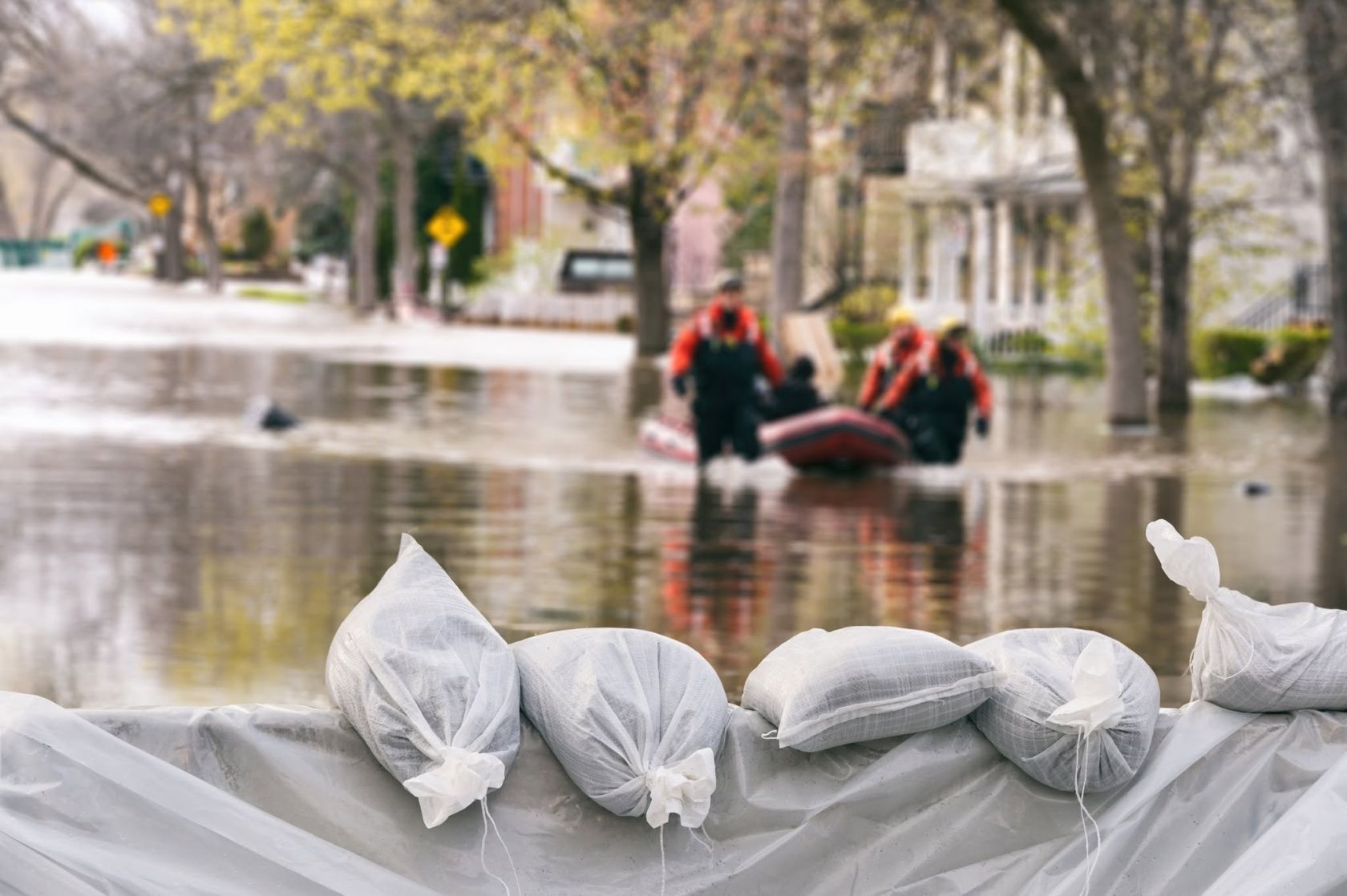
The minister recalled the flooding that occurred in the São Luís area of Faro on 29 October 2025, “exactly one year ago yesterday [29 October]”, noting that she had immediately agreed with Mayor António Pina to “find a solution” to the problem.
Sustainable 2030, a programme dedicated to climate action and sustainability projects and funded by the Cohesion Fund, will provide “85% funding” for Faro’s drainage plan, following a reprogramming that included additional funding for flood prevention, Maria da Graça Carvalho revealed.
The programme is already funding works under Lisbon’s drainage plan and will provide support for other projects in flood-prone areas, including Oeiras (Lisbon district), Pombal (Leiria), Águeda (Aveiro) and Albufeira (Faro), she specified.
António Pina expressed satisfaction with the certainty of 85% co-financing, explaining that “without this assistance, it would be impossible for the municipality to proceed with this project and ‘bury’ €15 million”.
Faro City Council will have to cover “roughly €2 million”, but the mayor said he hoped it would still be possible to secure funding for that 15% share.
Under the protocol signed today, the Portuguese Environment Agency will provide specialised technical support during the procurement and study phases, while Faro Municipality will be responsible for preparing and launching the procedures to secure funding for the construction works.
The implementation of Faro’s general rainwater drainage plan, presented on 23 October, will take place in two phases, the first being “technically considerably more complex”, the municipality’s mayor, António Miguel Pina, told journalists at the time.
“[The plan] involves a connection from the São Luís area to Ribeira das Lavadeiras and, subsequently, a second phase involving the treatment of this Ribeira das Lavadeiras area as well. That is the project. The first phase will cost €10 million, followed by another €5 million in the second phase,” the mayor explained.
The second phase, whose project is currently being finalised, will be coordinated with the Alameda 21 project, which includes the creation of an urban park in the Penha area, next to Ribeira das Lavadeiras, he added.
The aim of the plan is to eliminate recurrent flooding in the São Luís area, where several small businesses frequently suffer losses, and help mitigate the problem of water accumulation in the Penha area as well.
Set The Portugal News as your preferred source for news on Google
 Add as a preferred source on Google


 Portugal Handbook
 English
 Nederlands
 Deutsch
 Français
 Español
 Italiano
 Svenska
 Pусский
 中文
 Türkçe
 Português
 Czech
 Hungarian
 Polski
 عربي
 Suomi
 עִברִית
 Português (Brasil)

Follow us on social media