



The first results show few victories on the ground, and growing tension over renewable energy and tourism.
A man from the outskirts of Lisbon filled in the national survey about a problem in his neighbourhood: illegal construction, and a nursery was affecting the people living nearby. He described it as a latent conflict, one that has not yet led to organised expressions. People there are gradually feeling worse about what is happening, García-López recounts, but it has not yet “made it to the news”.
Cases like this are what EJMapping set out to capture. The project, based at the University of Coimbra’s Centre for Social Studies (CES), is building a national map of environmental conflicts in Portugal, drawn from the accounts of the people who live them.
Maps that give people a voice
García-López, the project’s principal investigator, says most maps show things like population trends or soil degradation. “Social injustice issues are rarely included in mapping exercises,” he says. “That’s why we call it counter-mapping.”
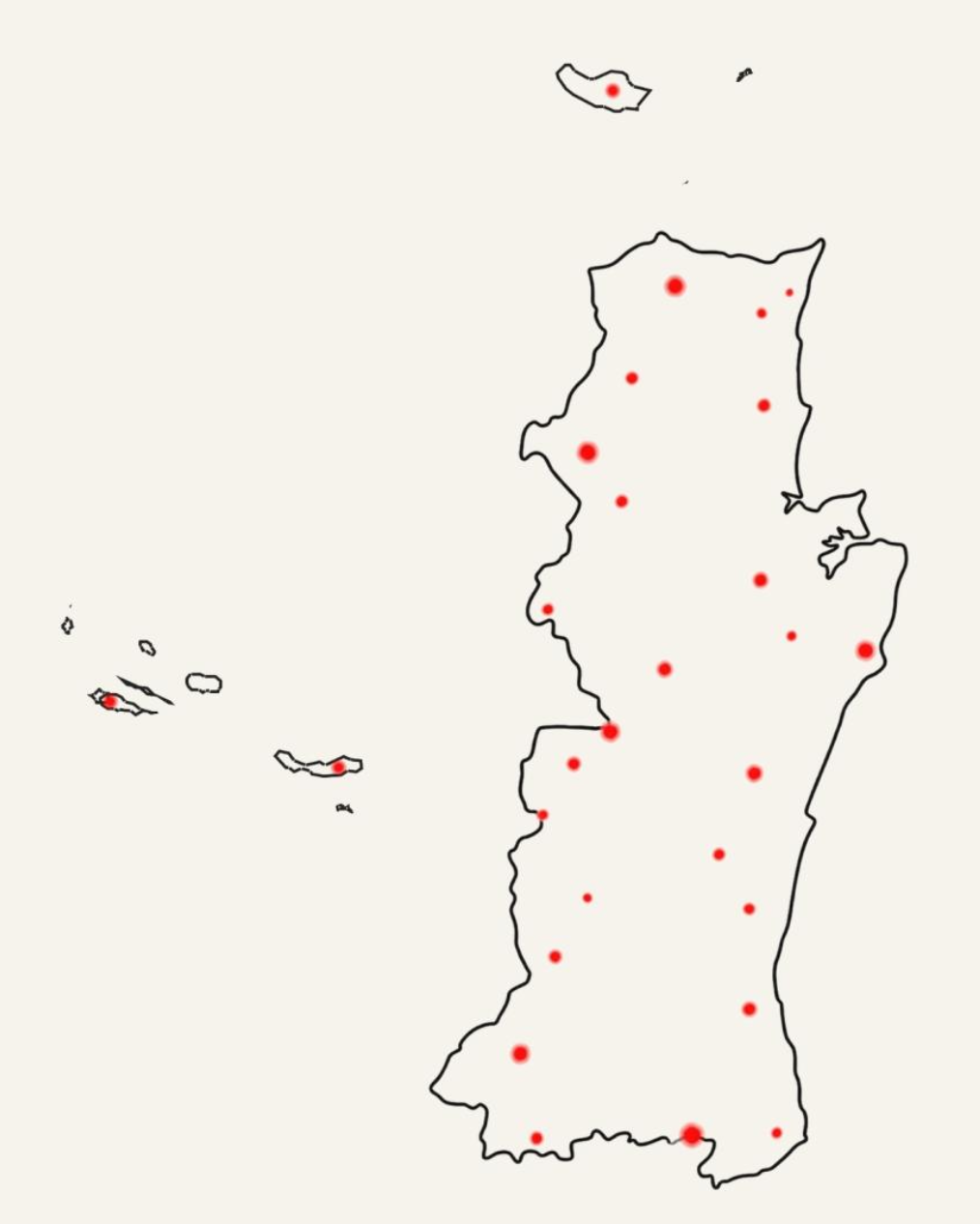
The aim, he explains, is developing “maps that give a voice to the people in the territories”. “News about a conflict appears here and there, and then it’s lost. It doesn’t come back.”
EJMapping runs from May 2025 to April 2028 and is funded by the Foundation for Science and Technology (FCT) and the European Regional Development Fund. It builds on an earlier project, “Portugal: Ambiente em Movimento”, which documented 62 conflicts in a 2019 book.
Who answers
The national survey, sent to more than 800 contacts, is open until the end of the year. Since September, it has collected 408 responses, 122 of them valid, but the target is 200.
Most respondents know their cases first-hand. According to the project’s report, 83% say they are directly involved, and a third say they are directly affected. The survey relies on self-reported accounts, prioritising the firsthand perspectives of those involved over independent verification of conflicts.
Reaching people outside the contact lists is a challenge. The team is phoning those who have not responded, though so far “people prefer to be sent an email”, and it is also running interviews, attending events and asking people to take photographs of their surroundings to discuss with their associations.
What the first results show
The conflicts named most often are the ones that already make headlines. The Covas do Barroso lithium mine was named by one third of the respondents, and mining and lithium overall by more than half. Solar farms came up for more than a third, and eucalyptus plantations and forest fires for about 3 in 10.
Across the more than 260 conflicts described, luxury tourism and coastal property development, solar energy, mining, and river and water pollution each account for roughly 1 in 10.
Most of the most serious conflicts are still going on. People reported that more benefits go to large economic groups and that public participation is insufficient. Farmers are the most affected group, ahead of people in economic vulnerability and older people.
“We are seeing a significant increase in conflicts in renewable energy and in tourism,” García-López says. “That suggests policies in those sectors need to change.”
The project, he adds, started from a doubt: “There is a discourse of Portugal as an environmental leader, more than in practice.” The energy transition, in his view, cannot come at the expense of communities and ecosystems. Doing so is “even counterproductive for the energy transition’s own goal.”
Few wins, other gains
Results on the ground are scarce. Only one third of respondents report any change, most often a delay or suspension, and only 10% a cancelled project.
“Effectiveness in stopping projects or resolving conflicts so far seems low,” García-López says. “The vast majority have no resolution, and there is very little cancellation of projects. This worries us. However, we should recognise that there are ways in which movements can be effective beyond the cancellation of the project.”
The survey points to some of them. Asked what positive consequences the conflicts had, almost half of respondents mention increased environmental knowledge, greater public visibility for local demands, and around 40% mention the creation or strengthening of community organisations. Even so, around one third say no positive result came out of the conflict they described, a reminder that the benefits are uneven.
Most respondents also remain hopeful. The majority believe a fair solution is still possible, and the outcomes they most want are ecological restoration, cancelling the project or redesigning it.
The team’s answer, for now, is to bring movements together. “We need more space for collective planning between movements, where there is room to share resources, information and strategies,” García-López says. After a year and a half, the project has held two gatherings of movements: a hybrid meeting in Coimbra in December 2025, which launched the project and opened its goals and methods for discussion, and an online session in June 2026, which presented the preliminary survey results and mapped additional cases collectively. Since June, it has also run a series of training workshops on counter-cartography, the third of which, this month, focused on community water mapping.
The limits of the numbers
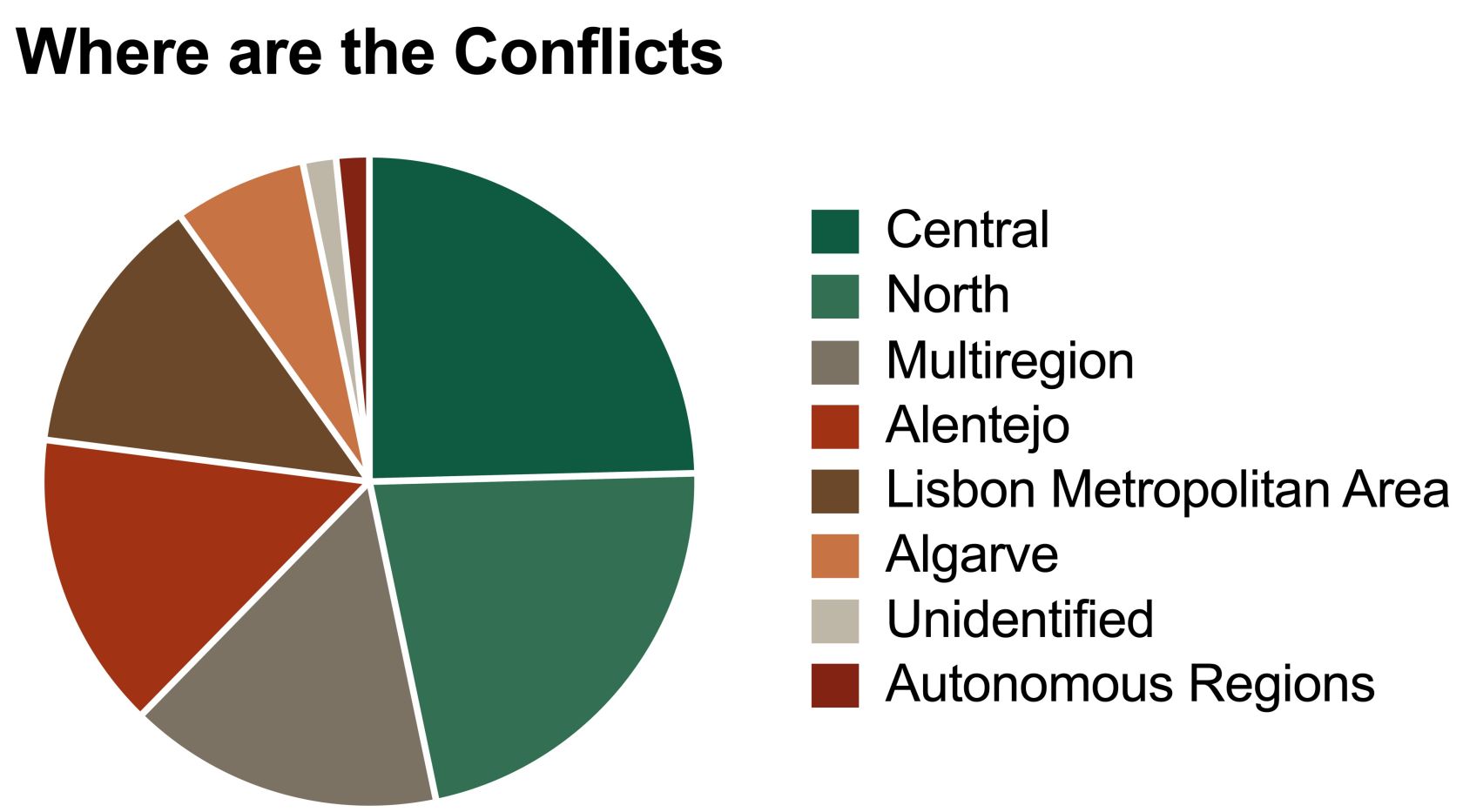
The report carries its own warnings. The sample is not statistically representative: it depends on who received the survey and chose to answer. The Centre region is over-represented, partly because the project is based in Coimbra, and the Azores and Madeira barely appear. And because most conflicts are recent, it is unsurprising that few have been resolved.
There is also the question of what counts as a conflict. The project uses a broad definition, so in principle someone with a purely personal grievance could report one. García-López says that is unlikely in practice, since most respondents belong to associations that see problems collectively. These results, in short, show what an engaged network reports.
What comes next
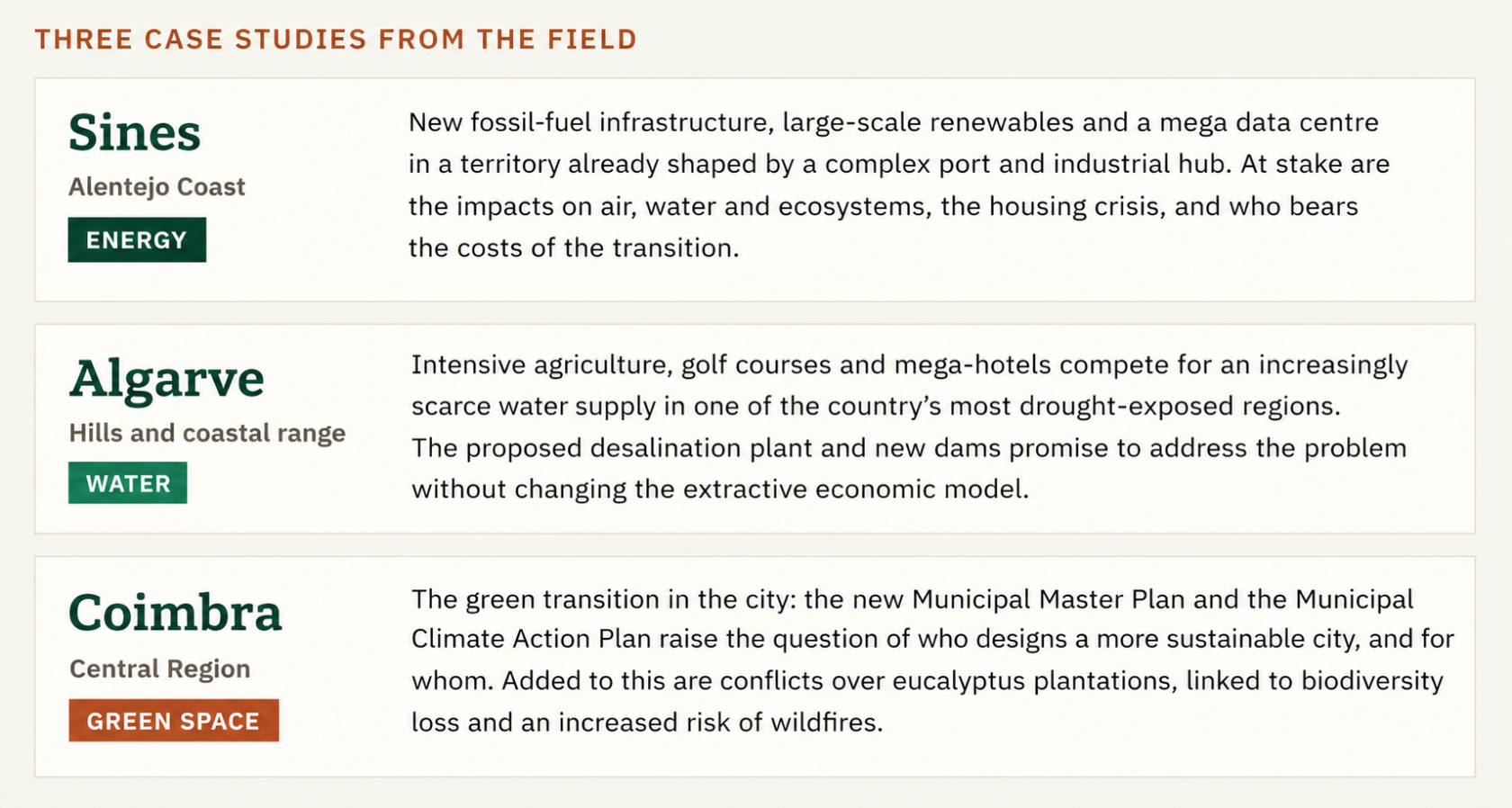
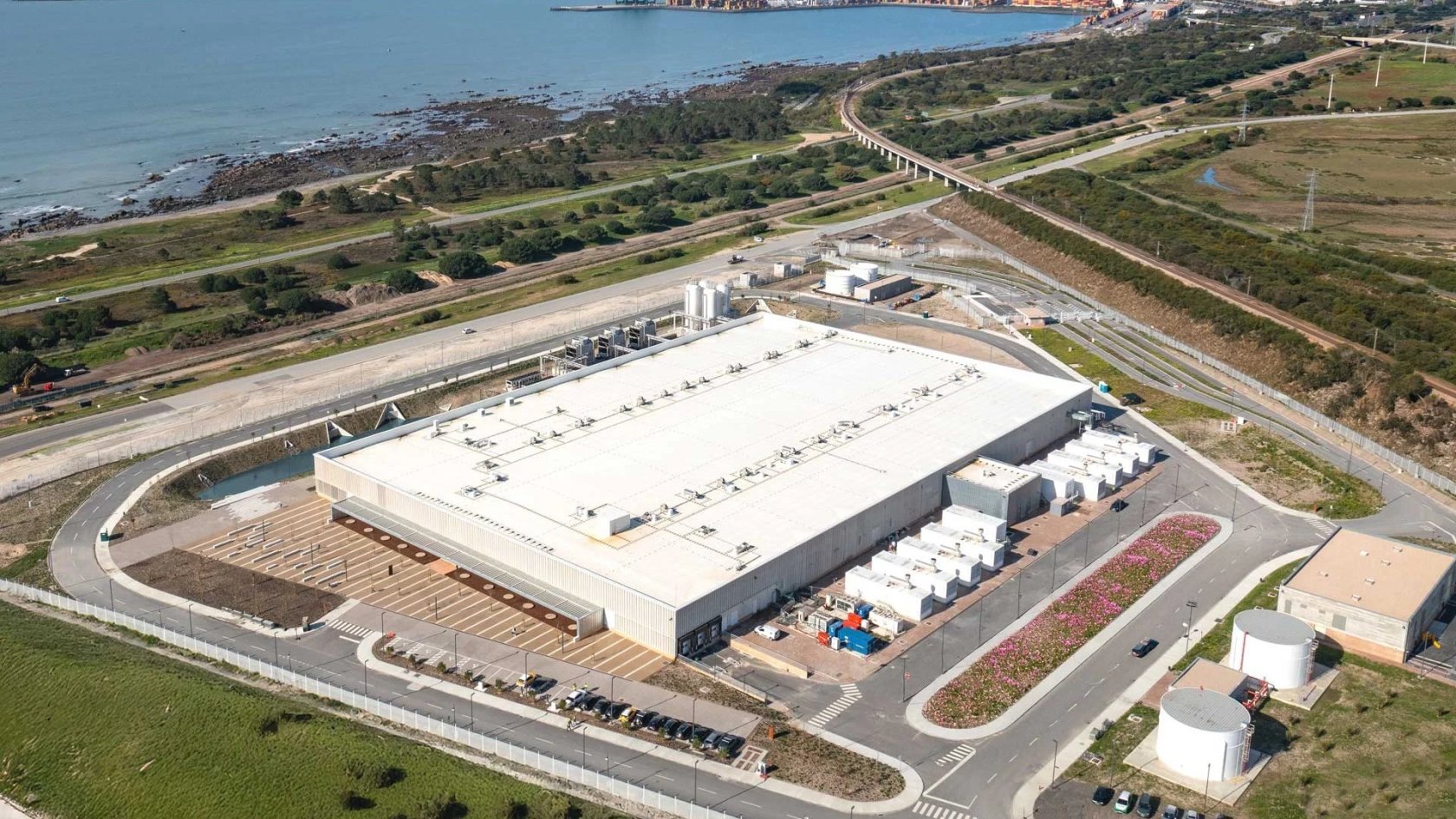
A national map is expected, though its public date has not been confirmed. The team is also planning a documentary on the overall context of environmental conflicts in Portugal, drawing on the survey, a literature review and interviews with leaders of national environmental organisations, plus the three case studies: Faro in the Algarve, Sines in the Alentejo and Coimbra in the Centre. In its fieldwork, it will run photo-voice workshops with school students and other groups, who are invited to photograph environmental conflicts in their communities and then discuss what the images mean to them.
The Algarve is one of the three study regions, with a focus on water. The conflict there, García-López says, includes a planned desalination plant, but “the desalination plant is just a manifestation” of something larger, tied to intensive farming, tourism and property pressure. It is also delicate: “agriculture is also a way of life, a way for people to produce food and make a living.”
Readers who know of a conflict can add it through the survey on the project’s website, ejmapping.ces.uc.pt, until the end of the year.
Set The Portugal News as your preferred source for news on Google
 Add as a preferred source on Google


 Portugal Handbook
 English
 Nederlands
 Deutsch
 Français
 Español
 Italiano
 Svenska
 Pусский
 中文
 Türkçe
 Português
 Czech
 Hungarian
 Polski
 عربي
 Suomi
 עִברִית
 Português (Brasil)

Follow us on social media