


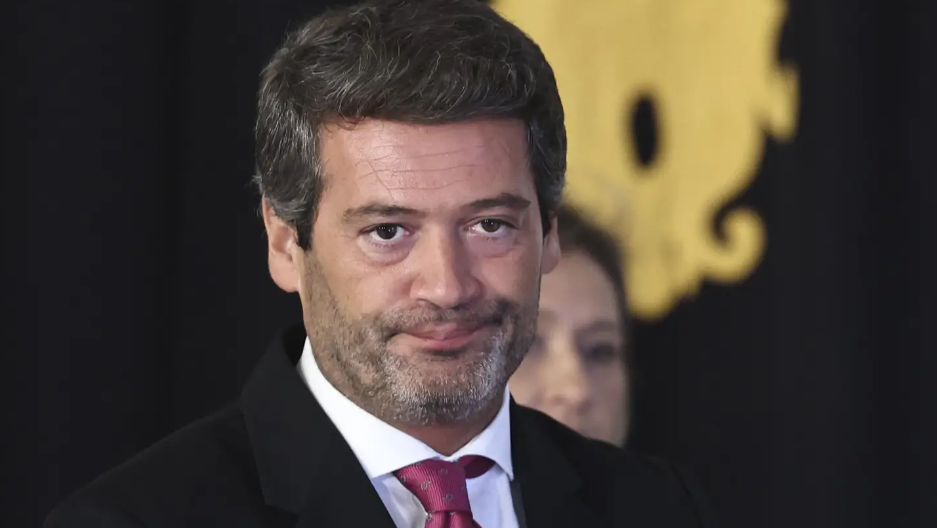
The Chega bill was rejected, with votes against from the Liberal Initiative, the PS, PAN, Livre, Bloco de Esquerda, and PCP, and abstentions from the PSD, with votes in favour from Chega and CDS.
The proposal presented by the PSD was referred to the committee without a vote and will be discussed in the Committee on Constitutional Affairs, Rights, Freedoms and Guarantees, where it may be subject to amendments.
Current law
Current law establishes that the police may use firearms to capture or prevent the escape of a person suspected of having committed crimes punishable by more than three years in prison or who possesses or is using a firearm, bladed weapons, "or explosive, radioactive devices or substances suitable for the manufacture of toxic or asphyxiating gases."
The Chega party wanted security forces to be able to use firearms even when suspects possess stun guns and when "the aggression stems from a suspect of a crime committed through violence or threat of violence, using a weapon or by three or more people," while the PSD party wanted security forces to be able to use firearms against people who possess lethal weapons.
During the discussion of the proposals on 20 February, the parties were divided. PSD, Chega, and CDS argued that the current legislation should be amended in line with the proposals presented; the Liberal Initiative said that it is necessary to update the law without making the use of weapons mandatory; and the remaining parties stressed that the proposals do not better protect the security forces.
Following Chega's proposal, the Superior Council of the Public Prosecutor's Office issued an opinion warning of the possibility of unconstitutionality. "The eventual technical dimension of the proposed changes is not understood to be supported by the identification of a need based on evidence," reads the opinion sent this week.
The two parties also intend to add to the existing decree the use of bodycams by security forces when firearms are involved, understanding that the duty to report and communicate remains even when the image is captured by portable cameras.






 Portugal Handbook
 English
 Nederlands
 Deutsch
 Français
 Español
 Italiano
 Svenska
 Pусский
 中文
中文 Türkçe
 Português
 Czech
Czech Hungarian
 Polski
 عربي
عربي Suomi
Suomi עִברִית
 Português (Brasil)
Follow us on social media