


This information is available on an interactive platform launched by Pordata, which, based on Eurostat data, provides a comparative overview of the 27 member states of the European Union across four themes: population, economy, cost of living and income, energy, and environment.
According to these data, although Portugal has a cost of living below the European average - it is the 17th EU country where the basket of essential goods is cheapest - the purchasing power of the population is also the sixth lowest among the 27.
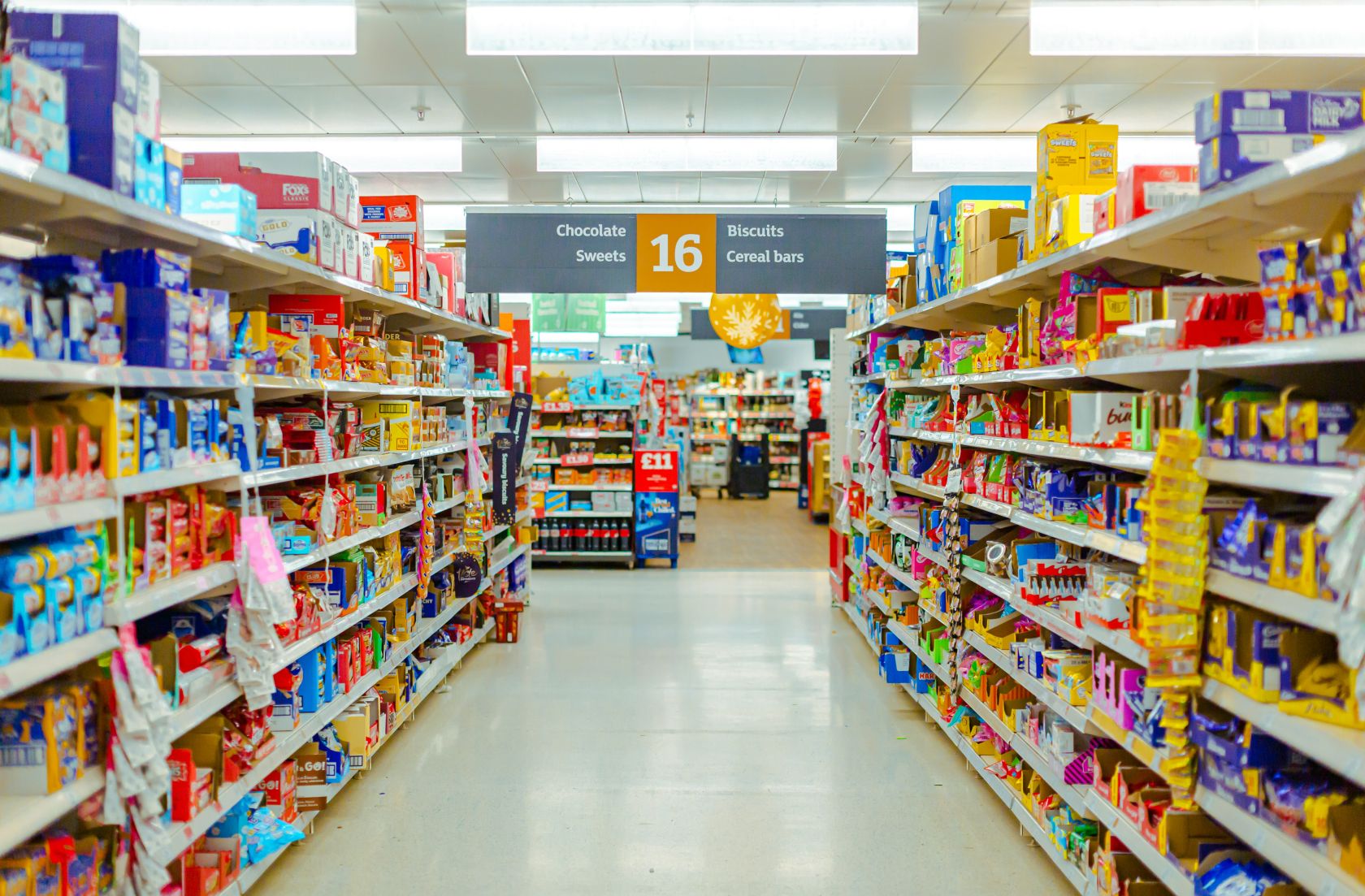
Thus, according to Pordata's calculations, the average annual income in Portugal in 2023 (€1,053.9) would allow the purchase of the equivalent of 11 baskets of essential goods, far below the 24 baskets that a Luxembourger could afford with their average income.
Housing prices increase
In addition to having one of the lowest purchasing power, Portugal is the second-largest EU country for housing price increases (24.1%), surpassed only by Greece (29%).
"It was in Finland that the largest reduction was recorded: in 2024, houses cost 16.3% less than in 2020," says Pordata, which adds that the cost of housing increased in 16 of the 27 EU countries. At the macroeconomic level, Pordata indicates that labour productivity in Portugal is the 19th lowest in Europe: each worker contributed approximately €47,700 to the Gross Domestic Product (GDP) in 2024, well below the €194,400 in Ireland.
However, Portugal is also among the countries with the highest economic growth: between 2020 and 2024, according to Pordata, the national GDP per capita grew by 40% in nominal terms and 10% in real terms – the sixth-highest growth in the entire EU.
At the environmental level
Regarding climate statistics, Portugal is the third least-emitting European country (4.8 tons per inhabitant), but it is the seventh least-recycling country in Europe.
Portugal has a recycling rate of 30.7%, well below that of countries like Germany (68.7%) or Austria (62.8%).
The platform launched by Pordata aims to commemorate the 40th anniversary of Portugal's accession to the then European Economic Community (EEC), in January 1986.
Using Eurostat data, this platform allows comparisons of statistics across the 27 EU member states and analyses Portugal's position on various topics relative to other European countries.
 Add as a preferred source on Google





 Portugal Handbook
 English
 Nederlands
 Deutsch
 Français
 Español
 Italiano
 Svenska
 Pусский
 中文
中文 Türkçe
 Português
 Czech
Czech Hungarian
 Polski
 عربي
عربي Suomi
Suomi עִברִית
 Português (Brasil)
I was surprised and dismayed to read how low Pt ranks in recycling. What can be done to improve this? Is it the tourists who are bringing down the numbers or the residents? What I see in the Algarve is recycling bins readily available but often overflowing and the excess on the ground (and blowing away) because the collection isn't done frequently enough to keep up with the demand. In Summer when every apartment is full, collection needs to be even more frequent than now.
By Dorothy Hopkins from Algarve on 23 Feb 2026, 12:28
Dorothy, it is the same up here in Moita: collection has dropped in frequency - people just throw it on the ground. We lost a site down the street so even more stacks up. Not good at all.
By Mark from Lisbon on 24 Feb 2026, 16:19