


The global high-net-worth buyer has changed. It no longer decides solely on the basis of the prestige of the address or the exclusivity of the project. It decides on the basis of jurisdiction, political stability, legal certainty, and quality of life. Luxury has become strategic.
In an international context marked by geopolitical uncertainty, fiscal tensions in major economies and financial volatility, the acquisition of a property above three million euros is no longer just an emotional or aesthetic decision. It became part of a strategy of capital preservation, geographic diversification, and family mobility. The concept of safe haven has expanded from the financial market to prime real estate.
It is in this context that Portugal gains relevance. The country offers democratic stability, full integration into the European Union, a predictable legal system, and high levels of urban security. In addition, there is an internationally recognised quality of life, with a mild climate, proximity to the sea, valued gastronomy and increasingly competitive health and education services. These factors weigh significantly in the decision of international families.
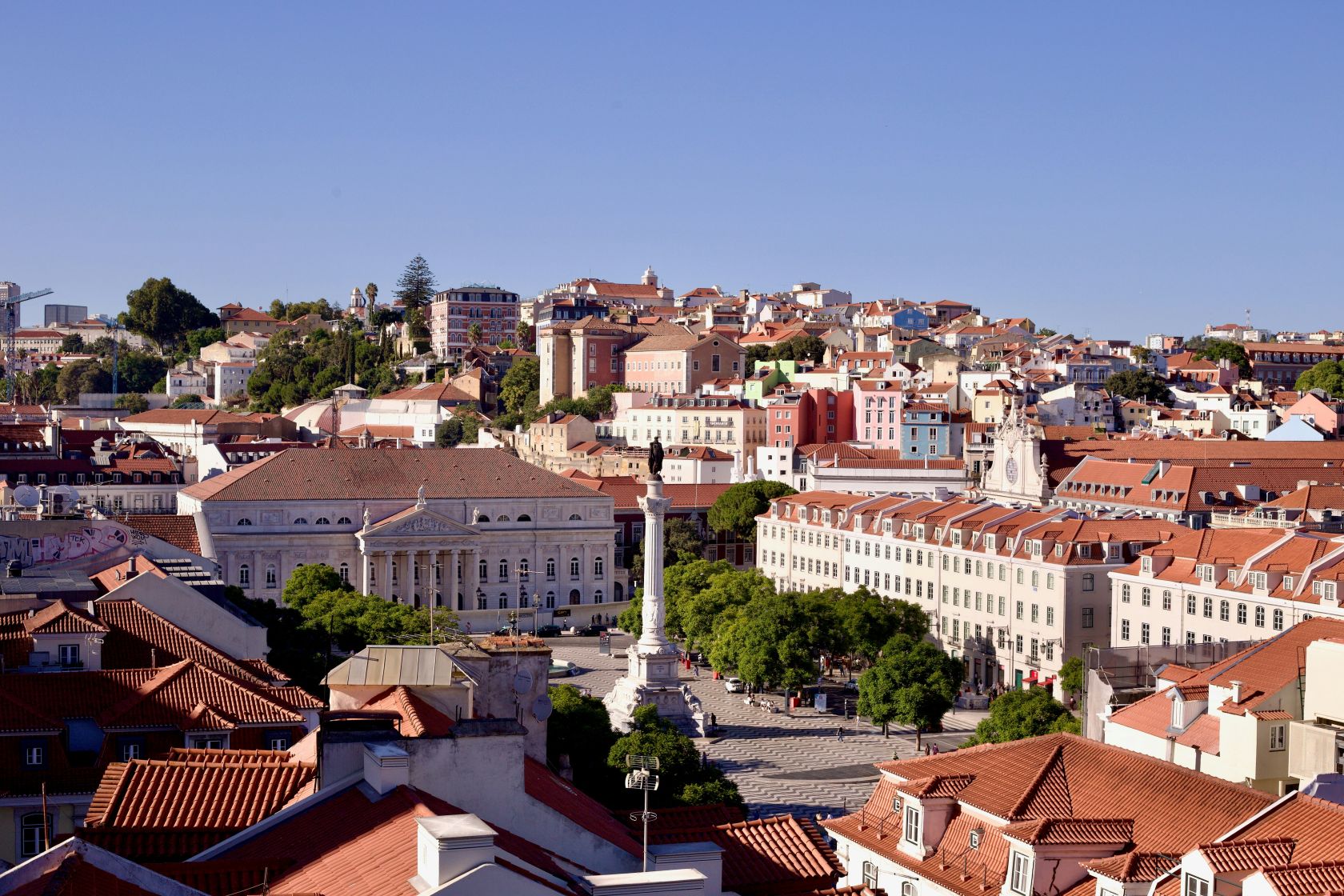
Compared with capitals such as Paris, London, or New York, Portugal continues to offer a relative discount in per-square-metre values in prime areas. This difference creates a particularly interesting equation for investors looking for equivalent quality with lower financial exposure. The national market has been gaining depth in the segment above three million euros, especially in Lisbon, Cascais and the Algarve, consolidating itself as a credible alternative in the European context.
Another determining element is mobility. The possibility of residence in a stable country, with access to the European space and a clear regulatory framework, makes real estate investment part of a broader strategy of international positioning. Contemporary luxury is no longer just a demonstration of wealth. It is protection, comfort, and family planning.
At the same time, the buyer's profile has become more demanding. It seeks energy efficiency, privacy, landscape integration, and constructive quality. The entry of international brands and the development of differentiating projects reinforce the segment's maturity in Portugal.
Luxury in 2026 is no longer defined only by the view or the address. It is defined by the security it offers, the stability of the jurisdiction and the quality of life it provides. Portugal brings together these attributes in a balanced way.
In a world where uncertainty has become permanent, true luxury is no longer just exclusivity. It is predictability. And it is precisely at this point that Portugal begins to assert itself as a strategic choice for long-term international capital.
 Add as a preferred source on Google







 Portugal Handbook
 English
 Nederlands
 Deutsch
 Français
 Español
 Italiano
 Svenska
 Pусский
 中文
中文 Türkçe
 Português
 Czech
Czech Hungarian
 Polski
 عربي
عربي Suomi
Suomi עִברִית
 Português (Brasil)
Follow us on social media