


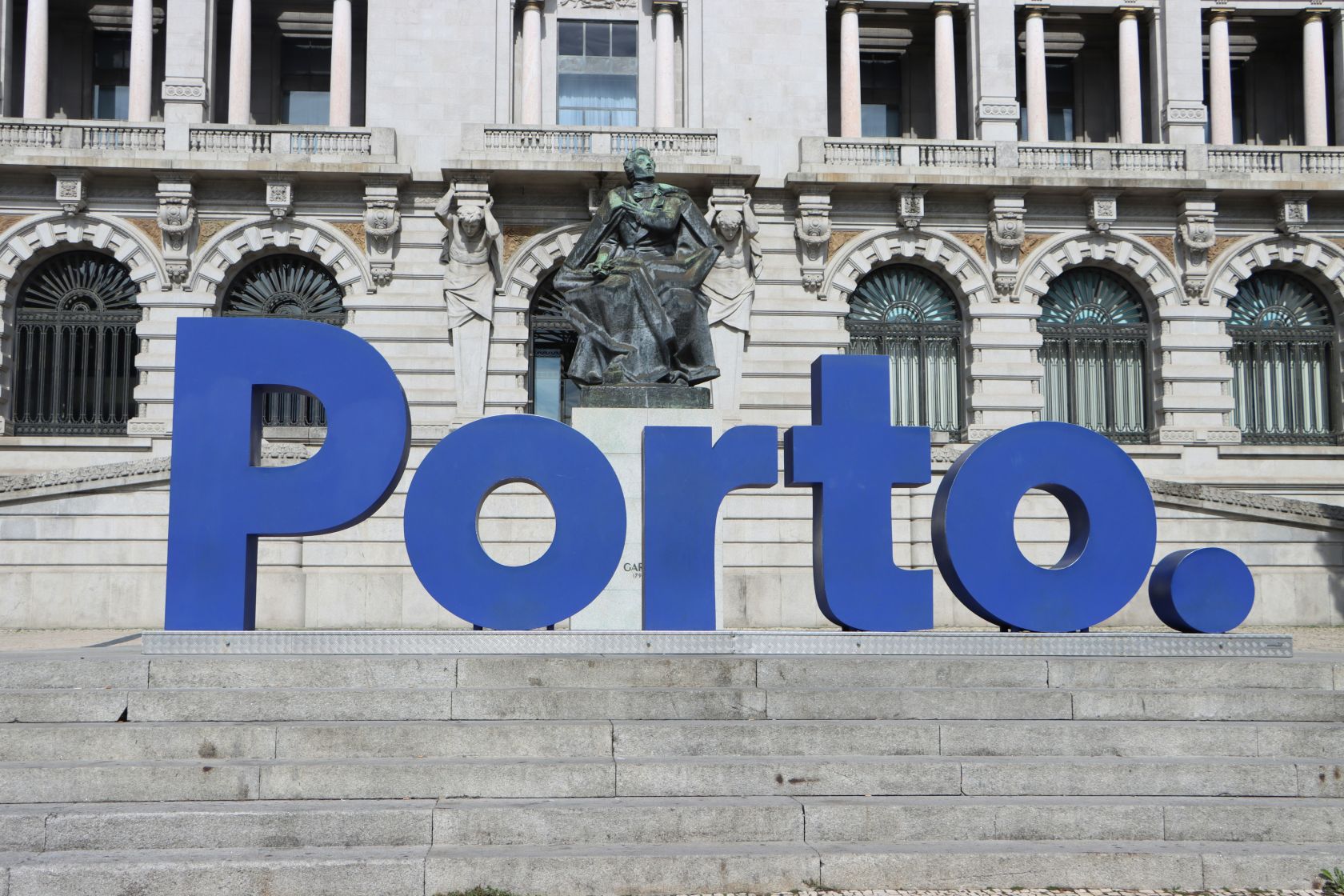
They are not designed to dominate headlines, yet they reveal something far more meaningful about the direction a country is taking. The recent recognition of investment projects in Porto by the Financial Times group is one of those moments.
At MIPIM 2026 in Cannes, within the Investment Impact Awards organised by FDI Intelligence, three projects based in Porto were distinguished among the most impactful in Europe. Natixis, Five9 and FinTrU, all already well established in the city, were recognised not for ambition alone, but for execution. For their ability to create jobs, drive innovation and contribute to sustainable regional development.
What stands out to me is not just the awards themselves, but what they represent when seen in a broader context. These are not isolated investments arriving by chance. They are part of a pattern that has been building over the past decade, quietly transforming Porto into one of the most relevant business and technology hubs in Southern Europe.
Natixis securing second place in the mid-sized projects category, alongside the presence of Five9 and FinTrU in the small-sized category, reflects something that is often underestimated about Portugal. The ability not only to attract investment, but to retain it and allow it to grow. Expansion projects are, in many ways, the strongest signal an economy can send. They show confidence. They show that expectations were met and often exceeded.
There is also something particularly interesting about the type of companies being recognised. These are not traditional industries. They operate in areas linked to financial services, technology, and customer experience. Sectors that depend heavily on talent, infrastructure, and a stable operating environment. In other words, sectors that choose their locations carefully.
Porto has managed to position itself as a credible answer to that demand. A city that offers a combination of qualified talent, competitive costs, quality of life and increasing international connectivity. But beyond these factors, there is a growing sense of maturity in the ecosystem. Universities, local institutions, and private companies are no longer operating in parallel, but increasingly in alignment.
And yet, despite all this, these achievements rarely dominate the public narrative. Perhaps because they are incremental rather than dramatic. Or because they do not fit into the more immediate, and often more critical, news cycle. But if we take a step back, they tell a very different story.
They tell us that Portugal is not just attracting attention; it is building consistency. That investment is not only arriving, it is deepening. And that regions like Porto are no longer emerging markets within Europe, but increasingly established players.
Of course, challenges remain. Growth brings pressure. On infrastructure, on housing, on the ability to scale without losing balance. But these are, in many ways, the challenges of progress.
What this recognition from the Financial Times group highlights is something simple but important. Portugal, and Porto in particular, is becoming a place where international companies do not just experiment. They commit.
And in a global economy where capital is selective and increasingly mobile, that may be one of the strongest signals we can receive.
 Add as a preferred source on Google






 Portugal Handbook
 English
 Nederlands
 Deutsch
 Français
 Español
 Italiano
 Svenska
 Pусский
 中文
中文 Türkçe
 Português
 Czech
Czech Hungarian
 Polski
 عربي
عربي Suomi
Suomi עִברִית
 Português (Brasil)
Follow us on social media