


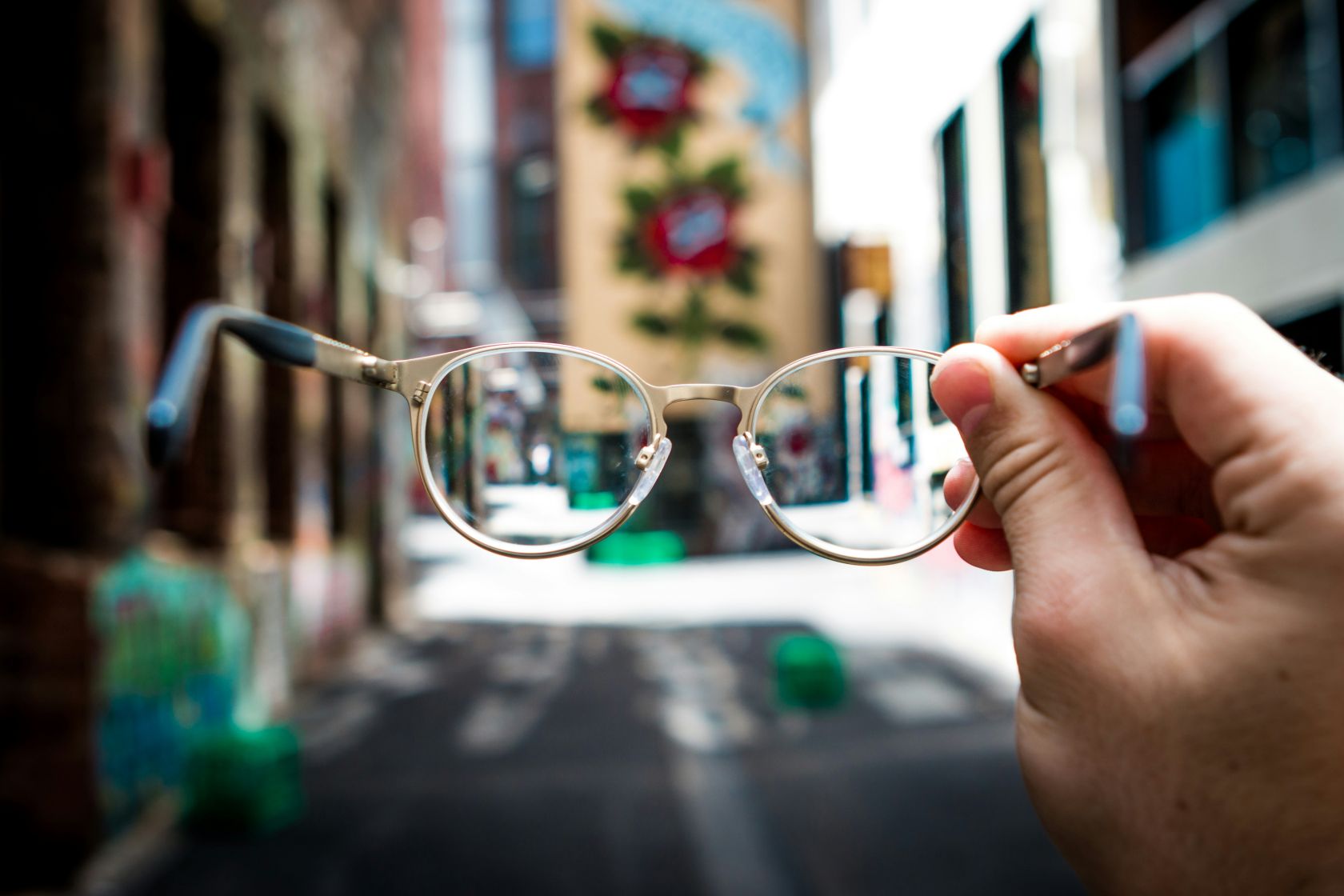
The system is built into smart glasses with a camera, microphone and speakers, and uses a virtual assistant to guide users through daily tasks. The assistant provides real-time verbal and visual prompts, helps with memory recall, and can engage in simple conversation.

Early trials showed users correctly identified household items 82 percent of the time with the glasses, compared to 46 percent without. The glasses are expected to cost up to £1,000, with a monthly software subscription of about £50. A four-week home pilot is planned for late 2026, with a smartphone version expected by the end of the year and glasses in early 2027. Experts say real-time feedback is key, but larger trials are needed to confirm long-term impact.
 Add as a preferred source on Google





 Portugal Handbook
 English
 Nederlands
 Deutsch
 Français
 Español
 Italiano
 Svenska
 Pусский
 中文
中文 Türkçe
 Português
 Czech
Czech Hungarian
 Polski
 عربي
عربي Suomi
Suomi עִברִית
 Português (Brasil)
Follow us on social media