


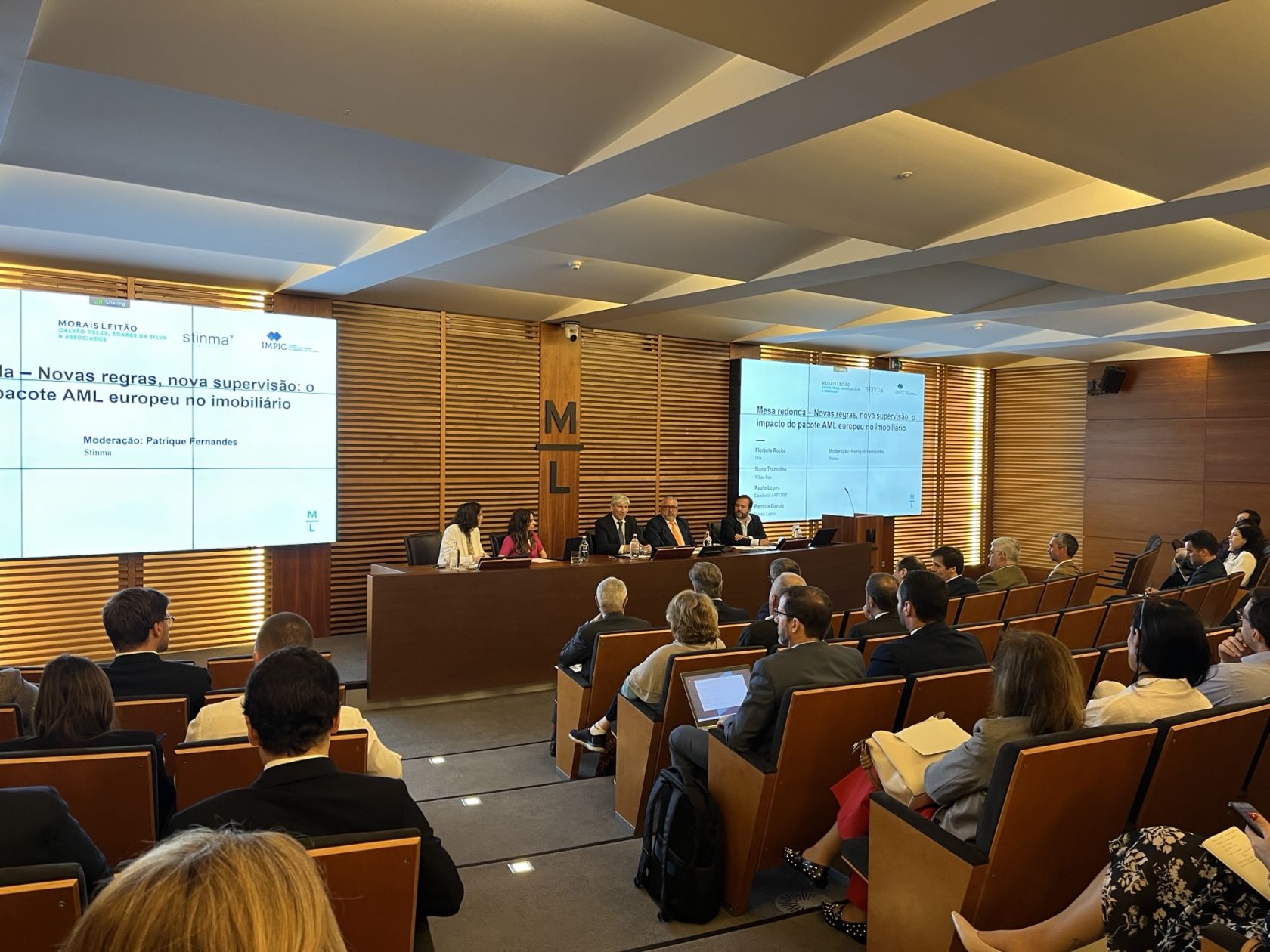
The recent event promoted by Morais Leitão, in partnership with Stinma, was precisely one of those moments. More than a technical meeting, it was a clear sign that the sector is entering a new phase, where compliance, transparency and supervision play a central role.
The opening session immediately put the topic in its proper framework. The new European anti-money laundering architecture is not just another set of rules. It is a structural change in the way the real estate sector is seen and regulated. The initial interventions made it clear that real estate has definitively ceased to be a peripheral area in this type of supervision and is at the centre of European regulatory concerns.
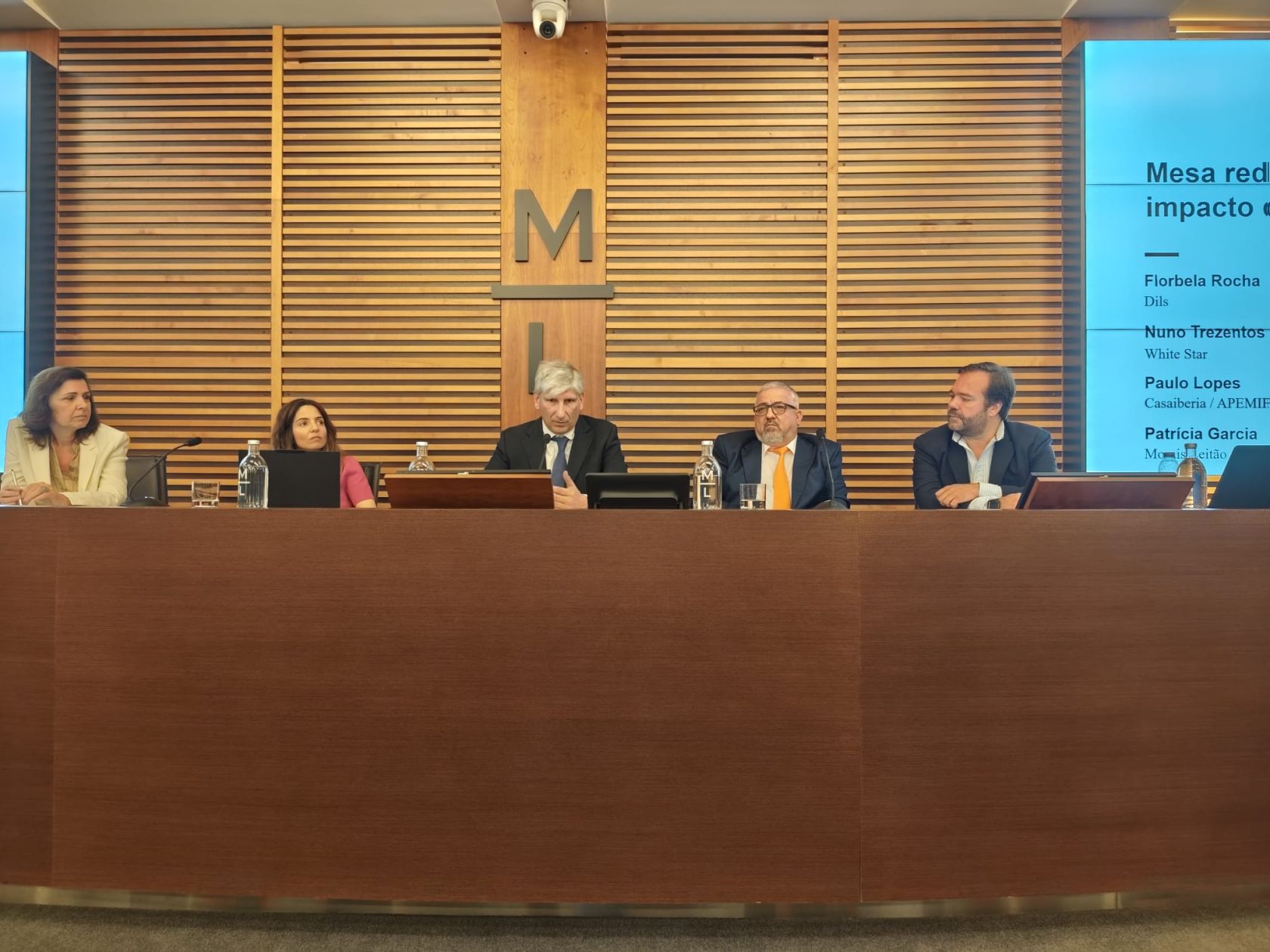
It was in this context that I had the opportunity to participate in the round table dedicated to the impact of the European AML package on real estate, together with Florbela Rocha, Nuno Trezentos and Patrícia Garcia, under the moderation of Patrique Fernandes. The discussion was direct and pragmatic, reflecting what the sector is already beginning to feel on the ground. The new rules are not only demanding, but they are also transformative. They require more internal structure, more control, more customer knowledge and, above all, a cultural change within organisations.
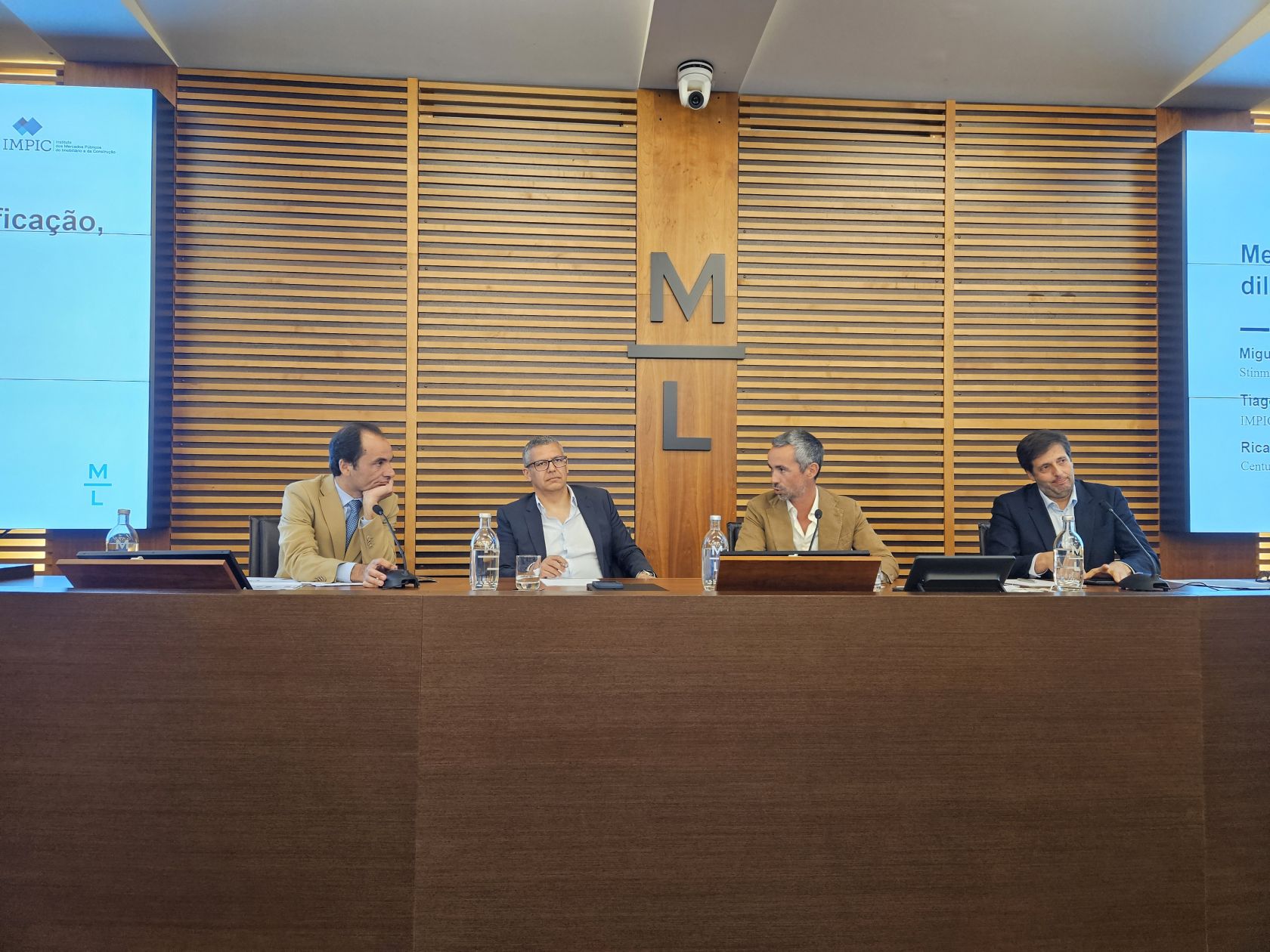
The topic of KYC, deepened in the second roundtable, reinforced exactly this idea. Identifying, validating and monitoring the customer is no longer an administrative procedure but a strategic element of the business. The interventions clearly showed that risk management in real estate is evolving rapidly and that the ability to adapt will be decisive for the future of companies in the sector.
What was evident throughout the event is that we are no longer talking about a future trend. We are talking about the present reality. Supervision will be more demanding, more integrated and more European. And this means that the sector will have to respond with greater professionalisation, better processes and a clear commitment to transparency.
There was also a particularly relevant element that ran through all interventions: the importance of collaboration. Between public entities, private operators, consultants and regulators. No company, no matter how prepared, will be able to respond to this new framework alone. The future will inevitably involve greater knowledge sharing and a rapprochement between all players in the sector.
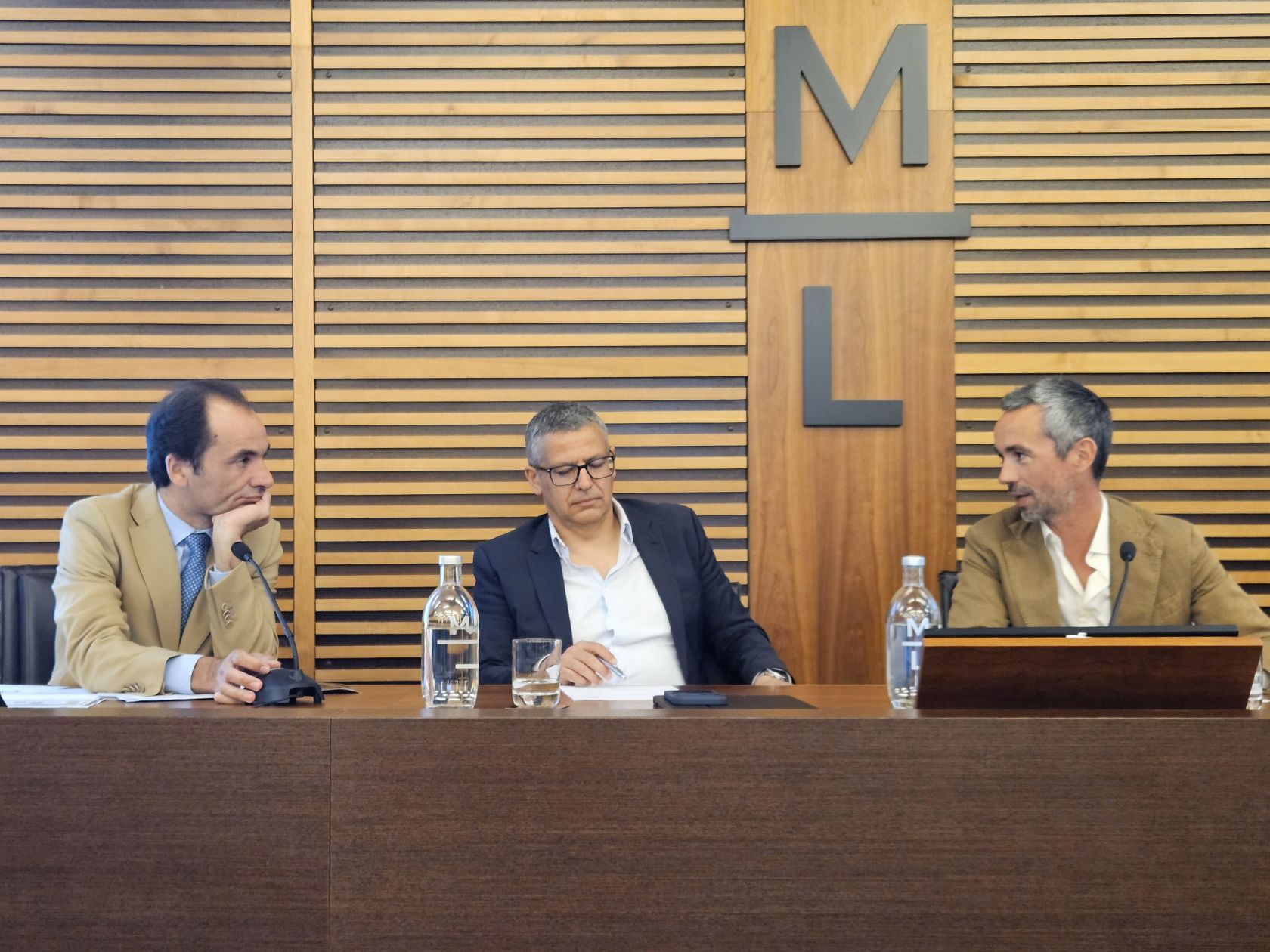
The quality of the moderation throughout the different sessions allowed the discussion to remain focused, dynamic and relevant. And the contributions presented brought data and perspectives that helped to translate a complex topic into something concrete and applicable to the reality of companies.
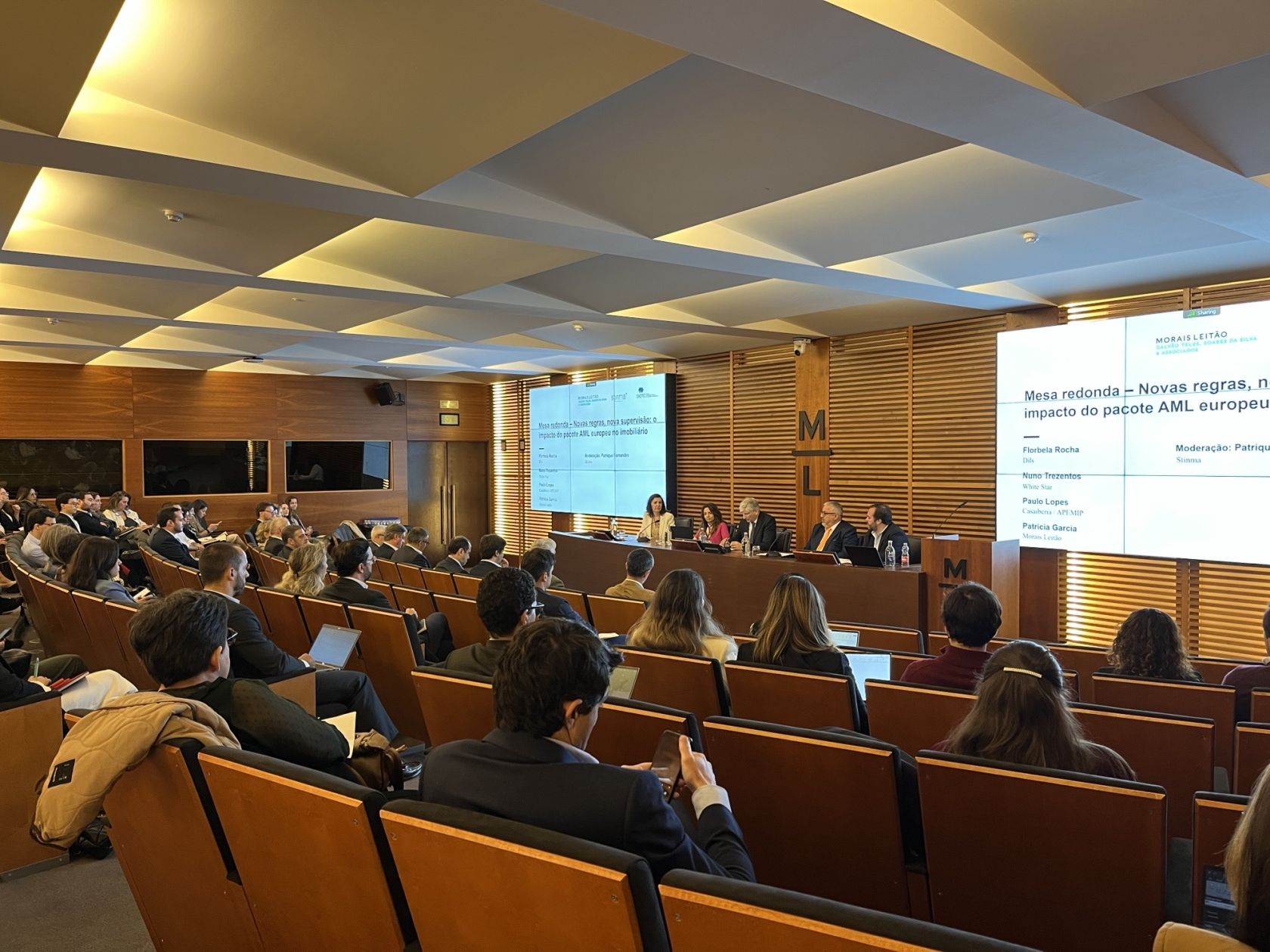
In the end, the main conclusion is simple but demanding. The real estate sector is professionalising to a new level. And that is positive. Not only because it responds to regulatory requirements, but because it reinforces confidence in the market. In a sector where trust is essential, this can be one of the biggest gains of this new phase.
The challenge now is not to understand the rules, but to integrate them into everyday life. Because more than complying, it will be necessary to evolve.
 Add as a preferred source on Google







 Portugal Handbook
 English
 Nederlands
 Deutsch
 Français
 Español
 Italiano
 Svenska
 Pусский
 中文
中文 Türkçe
 Português
 Czech
Czech Hungarian
 Polski
 عربي
عربي Suomi
Suomi עִברִית
 Português (Brasil)
Follow us on social media