


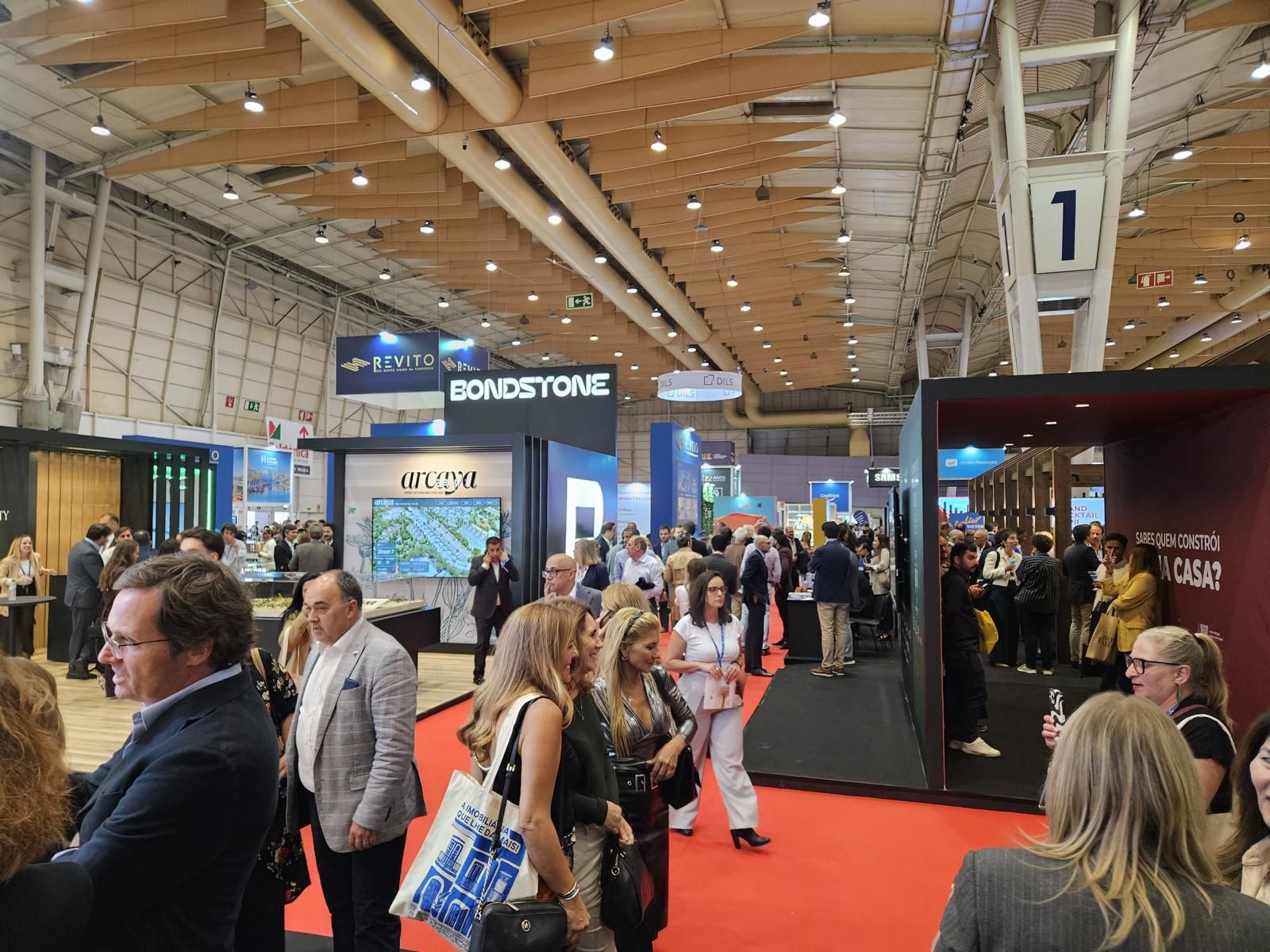
I went with some caution, influenced by the global economic context and the geopolitical instability that inevitably weighs on investment decisions. I left, however, with a different reading. More positive, more confident and, above all, more aligned with what the sector is really experiencing on the ground.
The atmosphere I found was not one of restraint or negative expectations. On the contrary, it was one of energy, dynamism and the desire to make it happen. There was no isolated moment that defined the fair, but a generalised feeling that was felt in the corridors, in the conversations and in the projects presented. The sector is active and, more importantly, it is confident.
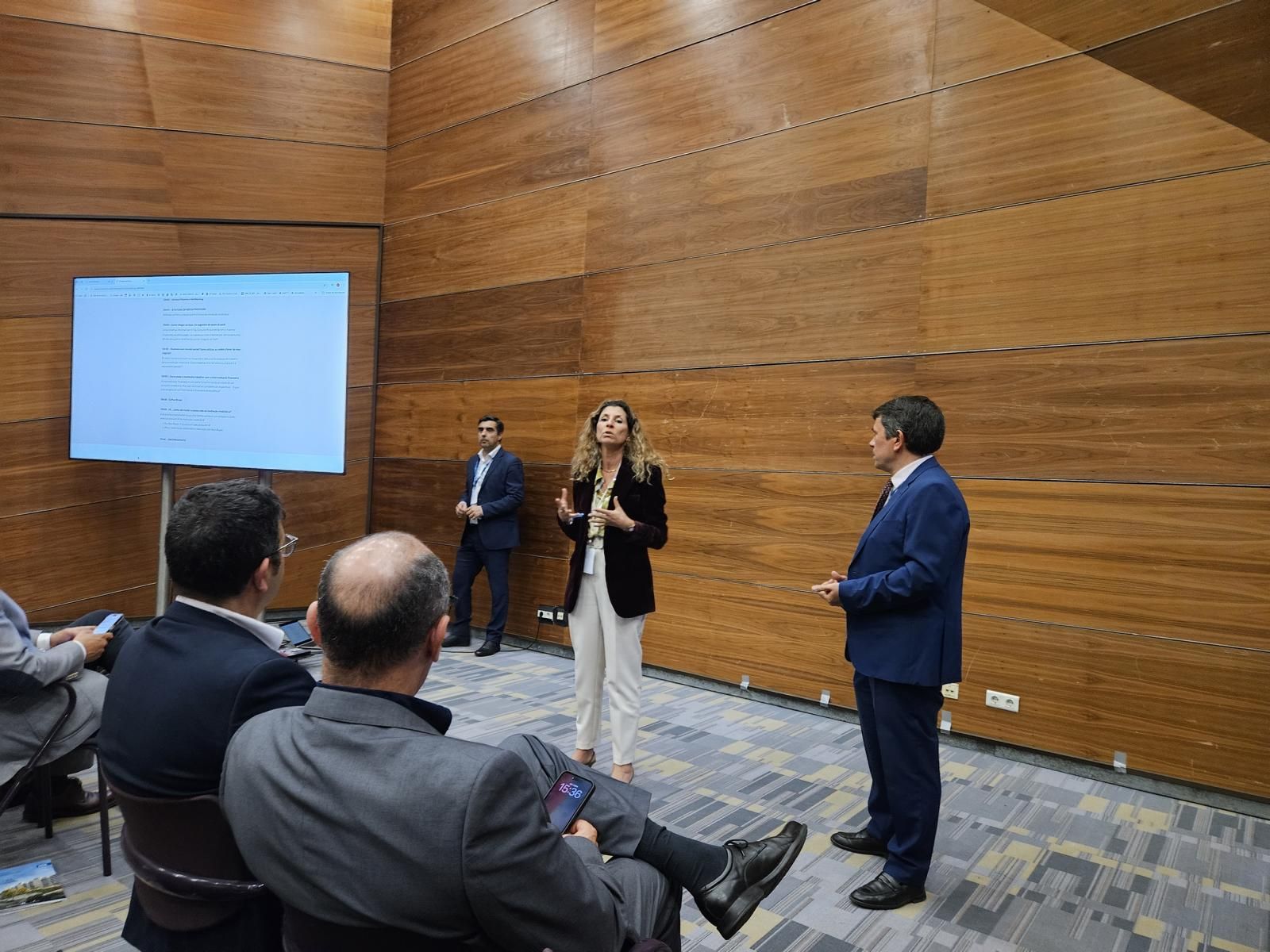
Throughout the day, in the various interactions with developers, investors, mediators and other players, there was a common point that was consistently repeated. There is currently no expectation of a relevant slowdown for 2026. On the contrary, there is a perception of continuity of the cycle, with construction returning to the centre of the market. There is a significant volume of projects in the pipeline, many already under construction or completion, looking for new customers, both national and international.
And this international dimension continues to be one of the main strengths of the Portuguese market. The presence of Brazilian developers, for example, demonstrates the growing interest of South America in Portugal. At the same time, players linked to the Middle East, including Dubai, were present not only as investors, but also as developers who see Portugal as a platform for the exhibition of their projects. This reinforces an idea that is no longer new, but that is gaining more and more strength: Portugal is today a global point of convergence in real estate.
Another relevant aspect was the diversity of the offer. From premium and high-value-added projects to solutions more oriented towards accessibility and a new generation of buyers. Concepts such as co-living, co-working and hybrid models are beginning to gain expression, reflecting clear changes in the way people want to live. The market is not only growing, it is adapting.
Technology was also very present, with solutions that promise to transform the way the sector operates. However, what stood out the most was precisely the opposite: the importance of human contact. In a context where there is so much talk about artificial intelligence, SIL reinforces a simple reality. Real estate continues to be a business of proximity, trust and direct relationship. Decisions can be supported by data, but they are still made between people.
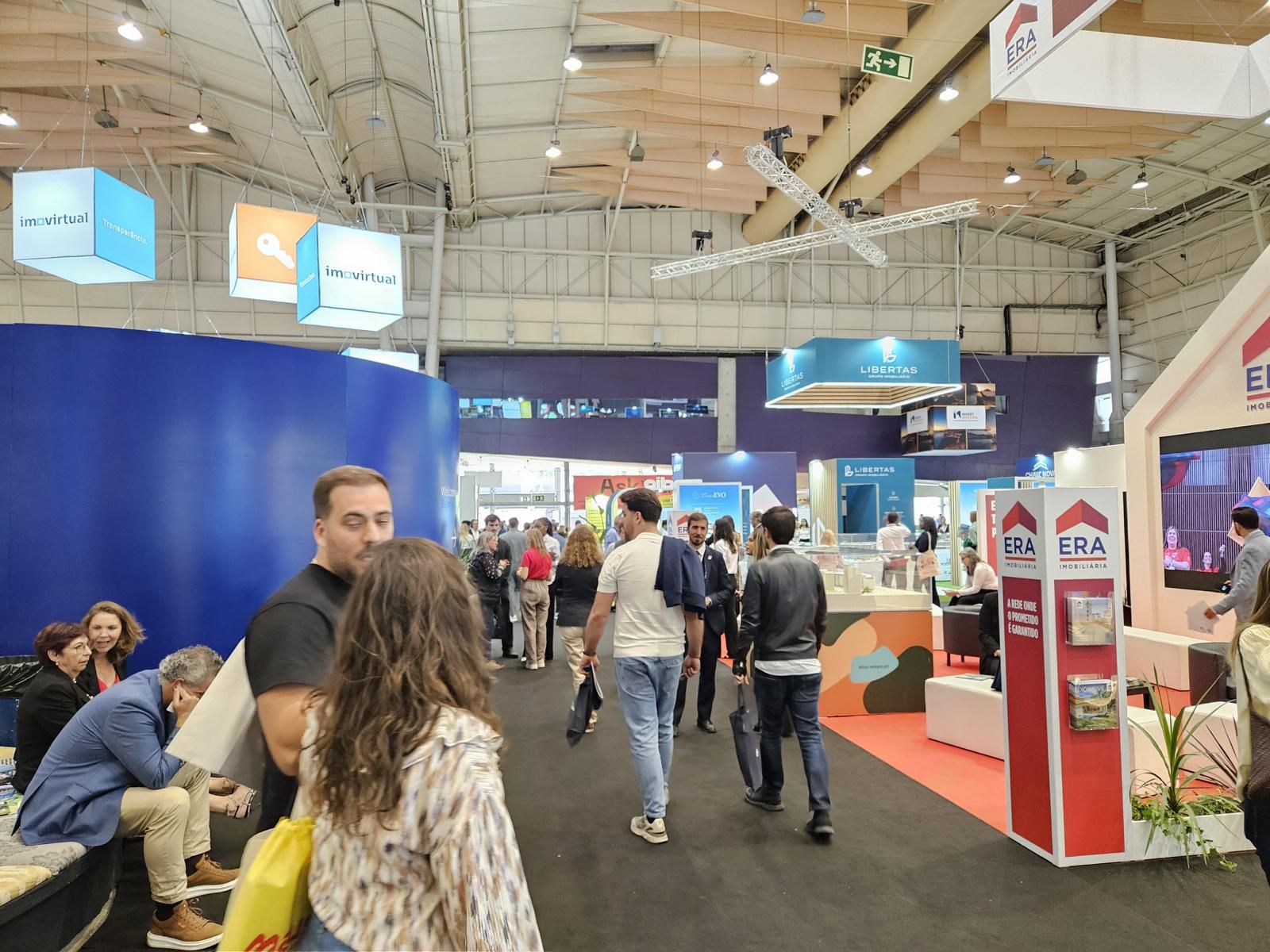
Events like SIL have exactly this role. Create a space where the sector meets, where conversations take place and where partnerships are built. More than a showcase of projects, it is a point of connection between all stakeholders, from developers to investors, through banking, construction and mediation.
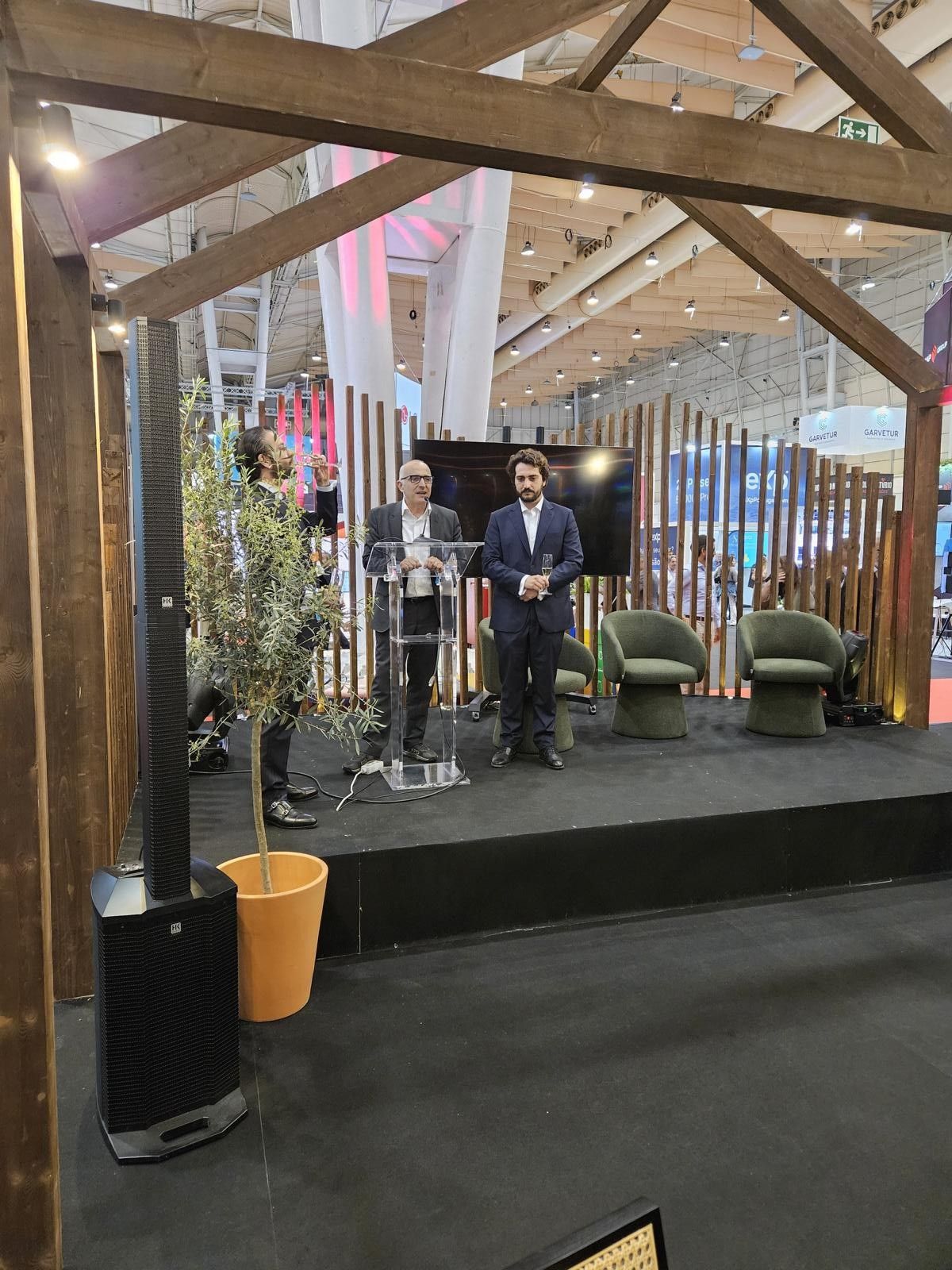
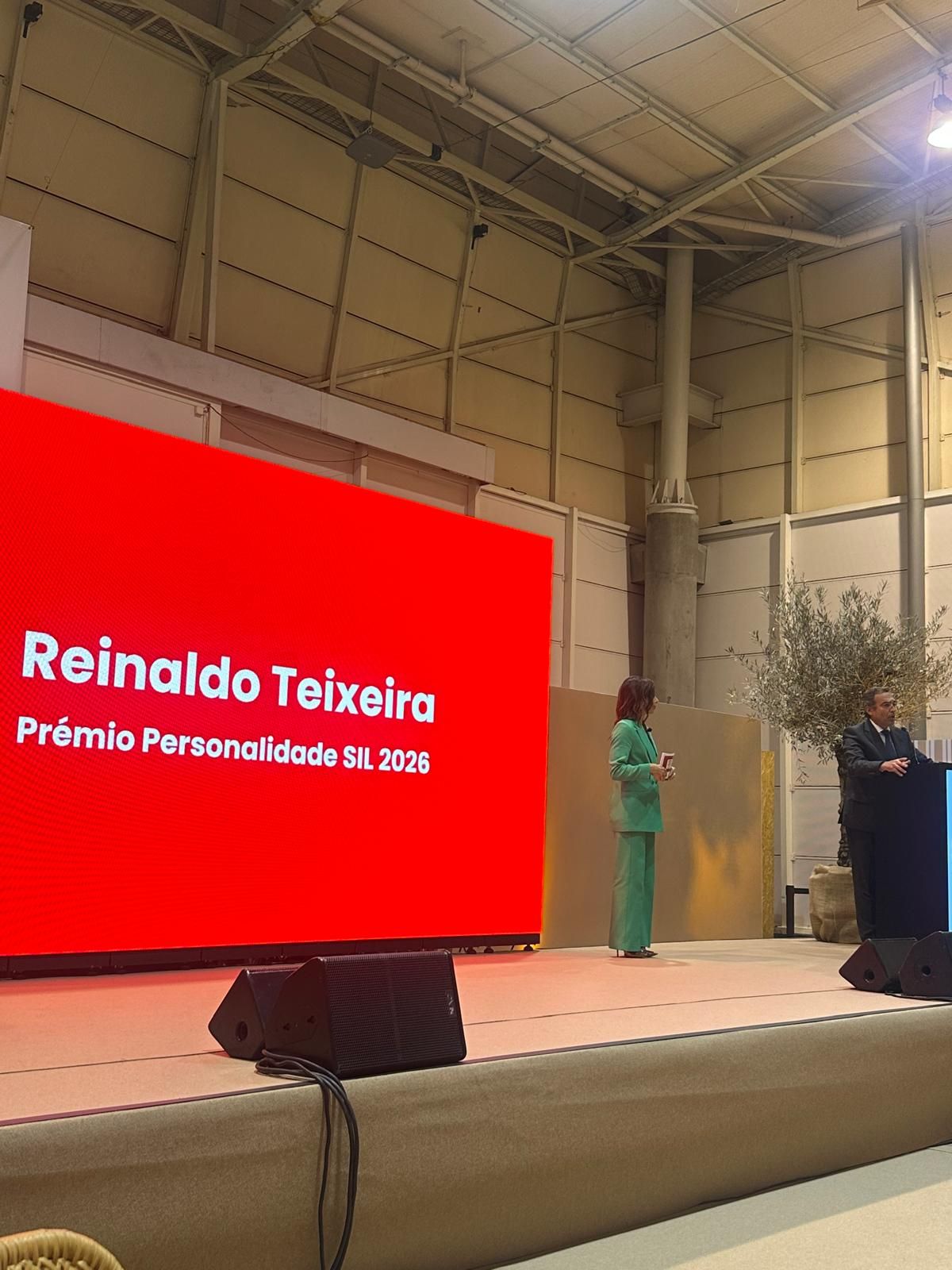
There were also moments that deserve to be highlighted. The awarding of the Personality of the Year 2026 award to Reinaldo Teixeira was a fair recognition of a decades-long career linked to real estate and tourism, and now also to professional football as president of Liga Portugal. There were those who commented that the sector lost an important figure to football, but the reality is that the two worlds are interconnected. Where there is economic activity, there is a need for housing. Where there are people, there is real estate.
Another relevant point was the presence of structuring projects that continue to transform the territory, whether in Lisbon, Montijo, Comporta or the Algarve. The international demand for quality of life remains strong and continues to be one of the main drivers of the market. Portugal does not just sell real estate. It sells a lifestyle, and that continues to make a difference.
At the same time, topics such as affordable housing, sustainability and new investment models were present in the discussions, showing that the sector is aware of the challenges it faces. Lack of supply and pressure on prices remain central issues, but there are signs that there are solutions to be worked on.
In the end, what I take away from this edition of SIL is a clear message. The real estate sector in Portugal is more resilient than the context might suggest. There is confidence, there is investment and there is an evident desire to continue to grow.
But this growth will have to be accompanied by responsibility.
Because more important than growing, is knowing how to grow well.
 Add as a preferred source on Google







 Portugal Handbook
 English
 Nederlands
 Deutsch
 Français
 Español
 Italiano
 Svenska
 Pусский
 中文
中文 Türkçe
 Português
 Czech
Czech Hungarian
 Polski
 عربي
عربي Suomi
Suomi עִברִית
 Português (Brasil)
Follow us on social media