


Assimilating Portuguese rural living the easy way
Rural Portuguese life looks, at first glance, like living in easy mode. Sunshine, freshly barbecued food and plenty of affordable vinho.
Yep. Life within the walls of those traditional whitewashed houses offers a pace of life that makes places like the UK feel like they're permanently late for something. But spending time in rural Portugal, not just holidaying, does require a spot of adjustment.
These, often remote areas, have their own practical quirks as well as some baked-in social norms. Understanding these things might mean that the likes of yours truly can possibly enjoy a more rewarding experience over here. Getting the practicalities wrong could mean that I find myself spending a whole lot of time wrapped in pullovers, wondering why the devil Alentejo dwellings feel so uncomfortable during the cooler months.
House paradox
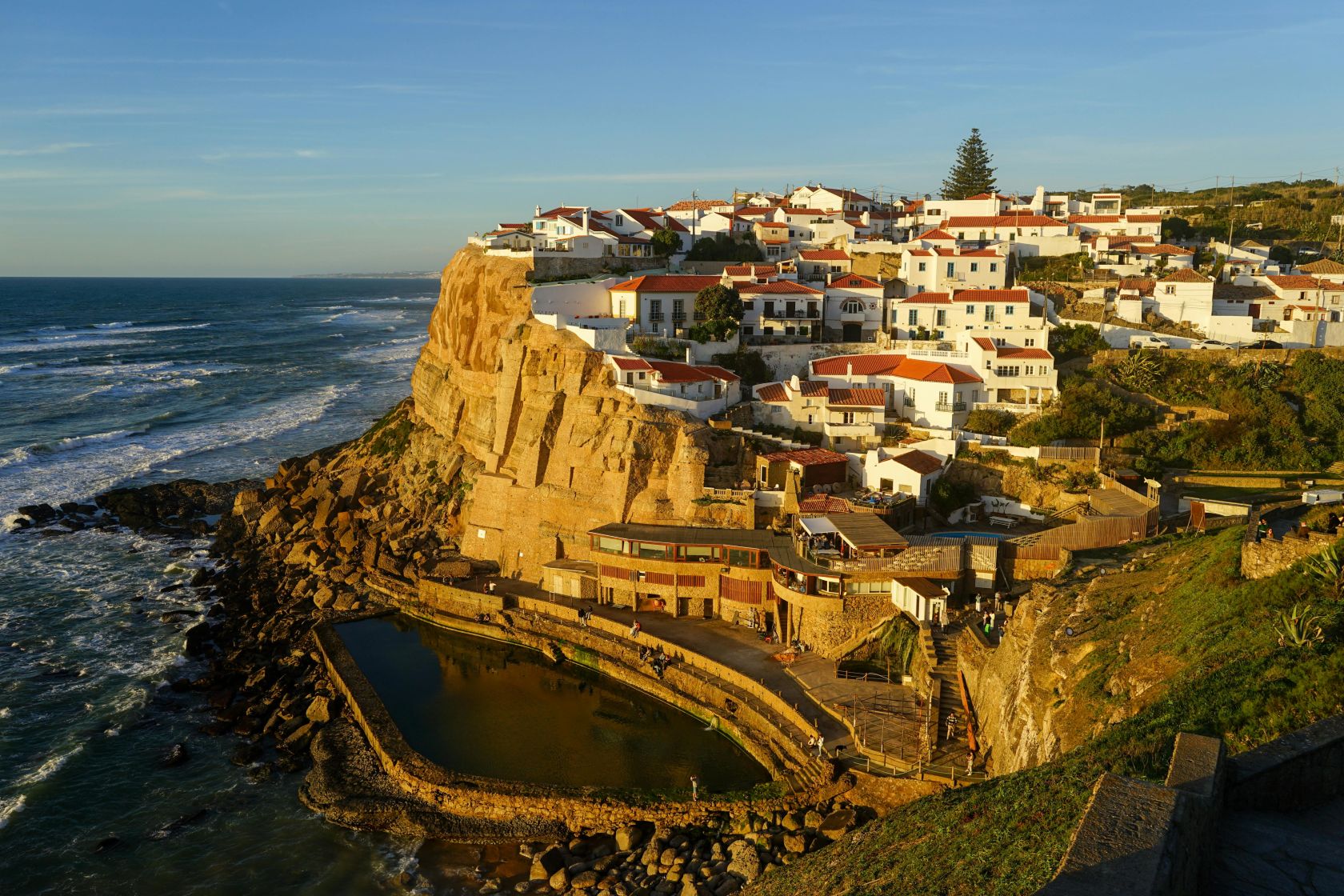
Let’s examine the great Portuguese house paradox. Yes, Portugal is warm, except when it isn’t. Winter indoors can feel like living in a medieval stone chapel. Many traditional homes were built to keep heat out, not in. Insulation is often minimal, central heating is rare, and double glazing is merely aspirational in older properties.
So, how do the locals cope? Well, they don’t fight the house, they work with it.
First rule. Ventilation. It sounds counterintuitive, but opening windows daily, even in winter, is essential. Portuguese homes trap moisture, and that’s what breeds mould.
Secondly, Targeted heating beats central heating. Portable oil radiators, ceramic heaters or a wood burner (if you’re lucky enough to have one) are common. You heat the room you’re using, not the entire house like some energy-splurging duke.
Thirdly, dehumidifiers are your best friend. If you are to have one thing when you're living in an old house in rural Portugal, make it a dehumidifier. Locals swear by them. They pull litres of moisture out of the air, which means warmer-feeling rooms and far less mould creeping up the walls.
Fourth. Furniture placement. Don’t push wardrobes or sofas tight against external walls. Leave a telling gap so air can circulate. Otherwise, you’ll discover a thriving ecosystem of mould behind your coat rack.
Then comes summer. Staying cool without air conditioning becomes an art form. Whilst modern apartments often have air conditioning, many traditional homes rely on something far more elegant. Shutters. You’ll notice locals closing shutters during the hottest part of the day. This isn’t them being antisocial, it’s climate control. Keep sunlight out, and the house stays cool. Open everything up in the evening when the temperature drops and let the breeze do its thing. Thick walls are your ally, because they absorb heat. If you manage airflow properly, the roof over your head can stay surprisingly comfortable without turning into a noisy, energy-guzzling refrigerator. Of course, fans help, but positioning is key. You'll want to move air through the house, not just around your face.
Community living
So, once you're comfortable, what about living coherently within the local community? Remember, as a transient visitor or a permanent resident, you chose the community, not the other way around.
Portugal runs on a different clock. Not slower, just less frantic. Shops may close for lunch, services may take longer, and the dreaded bureaucracy can feel decidedly tectonic. But living with these quirks is easier than you might think. Getting visibly irritated won't speed things up. In fact, it may do quite the opposite.
You may have noticed that Portuguese people are warm, but not immediately effusive. There’s a layer of formality, especially with strangers. So, I've learned a few golden rules. I always try to greet people when entering places such as small shops, cafés or waiting rooms. A simple “bom dia” or “boa tarde” goes a very long way. I also use “please” and “thank you” generously. Manners matter. But I guess that applies anywhere in the world.
Perhaps, most importantly, it pays to make an effort with the language. Even basic Portuguese is hugely appreciated. We don’t need absolute fluency, just a simple willingness. Of course, having a broader understanding of what’s actually going on will ultimately be for our own gain.
Gastronomy
As for food? Meals in Portugal aren't generally rushed affairs. Lunch, especially, is a proper sit-down event. If you’re invited to someone’s home, expect generosity and bring something to the table. Wine, dessert or even just good bread is always welcome. Don’t expect endless menu substitutions in restaurants. Portuguese cuisine is proud, traditional, and people aren't particularly interested in reinventing tradition to accommodate whims. What you see is what you get, and it’s usually pretty damn good.
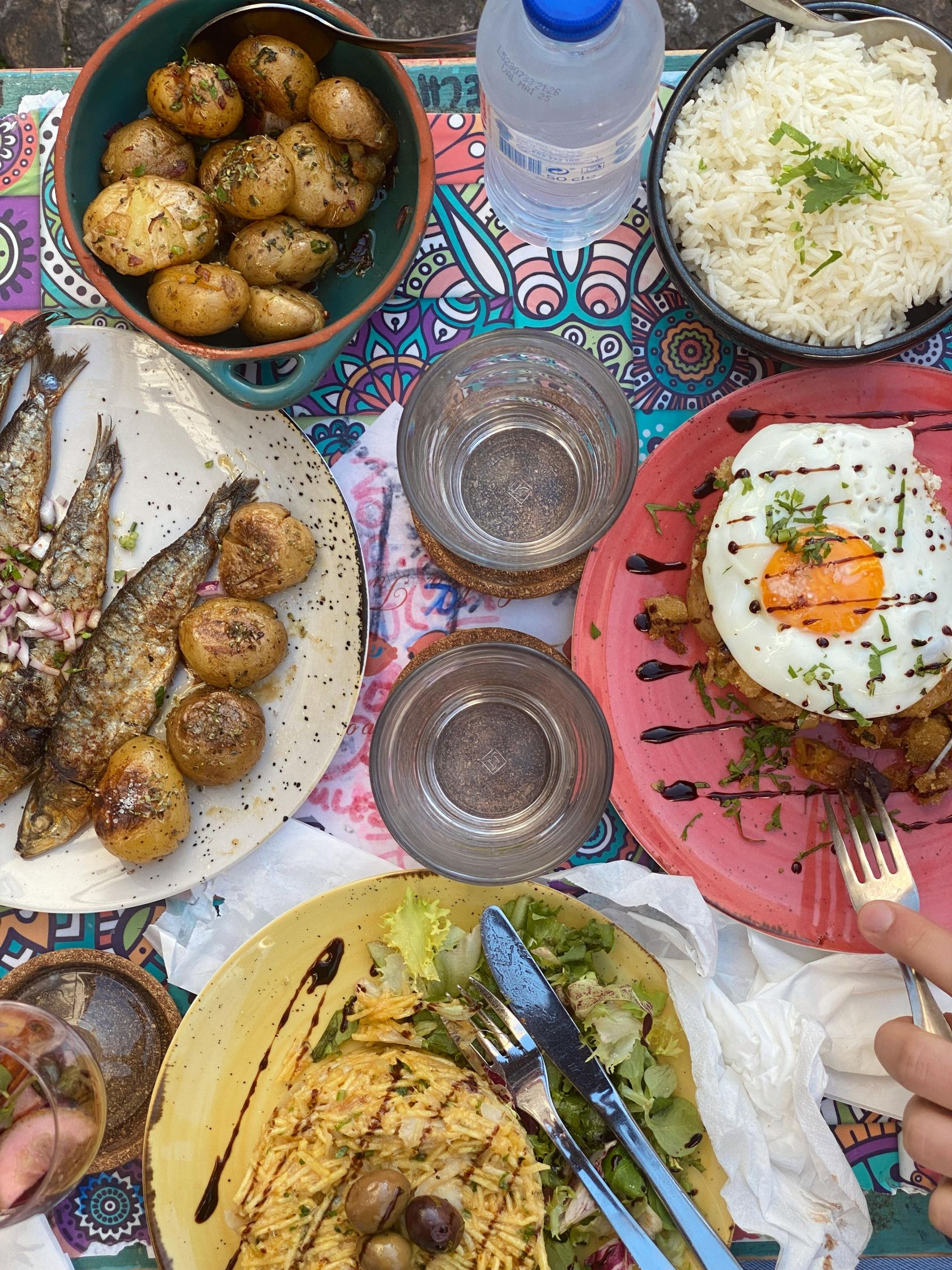
I've struggled with this next one. As you know, fish is king around these parts, and frankly, I don't actually like fish very much. But for those who do, the fish you eat will likely be grilled, salted and prepared with the minimum of fuss. That’s confidence in fresh ingredients.
So, rural Portugal isn't the kind of environment where I could simply breeze in and instantly become part of the scene. Getting to know a place takes time. But once done, I found that local people around here are very accommodating. By regularly visiting the same cafés, shops or fresh markets even in places like Vilamoura, which is the complete antithesis of the Portuguese rural idyll, familiarity breeds warmth. Before long, I found myself greeted like a local rather than tolerated as a tourist. I discovered that Portuguese folk tend to be naturally chatty in a relaxed, unforced manner.
The idea of flexibility
Things are said to be more affordable here than in the UK and elsewhere in Europe. But not always. Utility prices, for instance, can be surprisingly high relative to local wages. Property maintenance is another hidden factor. That charming old house may require constant attention, such as painting, damp-proofing, roof tiles and fixing plumbing quirks.
I think that the key to being content here in Portugal is acceptance and adaptation, not constant comparison. To really make things tick, especially in rural Portugal, I needed to embrace the idea of flexibility. Plans change, timings slip, and systems don’t always work the way I expected them to.
Feeling part of any community makes life far more pleasant. Whether that means communication with neighbours, going to local cafés or using nearby markets, it all adds up to engagement.
Portuguese rural living is less about optimisation and more about simple enjoyment. Good food, decent wine, sunshine and conversation appear to be the backbone. It's good to remember that Portugal isn’t trying to impress you, because you're already here! Therefore, local people will be fully aware that their everyday world must have done something right.
I found that life in rural Portugal prioritises comfort, connection and that certain understated charm. But it does expect something in return. Our patience, our respect and our collective willingness to do things its way - not ours.
So, I’ve learned how to keep my accommodation dry, my manners intact, and my expectations realistic. That way, I'm no longer just a stranger here. Just by ticking a few boxes, perhaps we can all get to feel as though we’re a small part of this place? And that’s no small honour.
Set The Portugal News as your preferred source for news on Google
 Add as a preferred source on Google







 Portugal Handbook
 English
 Nederlands
 Deutsch
 Français
 Español
 Italiano
 Svenska
 Pусский
 中文
中文 Türkçe
 Português
 Czech
Czech Hungarian
 Polski
 عربي
عربي Suomi
Suomi עִברִית
 Português (Brasil)
Follow us on social media