


Not just the soul-destroying murk, the unrelenting drizzle or the gentle, poetic sort that falls on a Jane Austen meadow. No, I'm talking about the proper, sideways, morale-destroying stormy variety. They bring the sort of rain that seeps down into your socks while you’re standing perfectly still. The sort that makes the dog look up at you with an expression that says, “Are we really doing this again?” Then, one day, usually somewhere between receiving the third winter gas bill and the fourth pothole on the way to the local Tesco, someone will utter the fateful words, “Shall we just move to Portugal?”
And just like that, Margaret and Geoff from Wolverhampton begin the process of relocating their entire lives, lock, stock and barrel, to a small Iberian nation whose language they don't speak, whose bureaucracy resembles a medieval treasure hunt and whose summers are hot enough to melt their car dashboard.
Finances
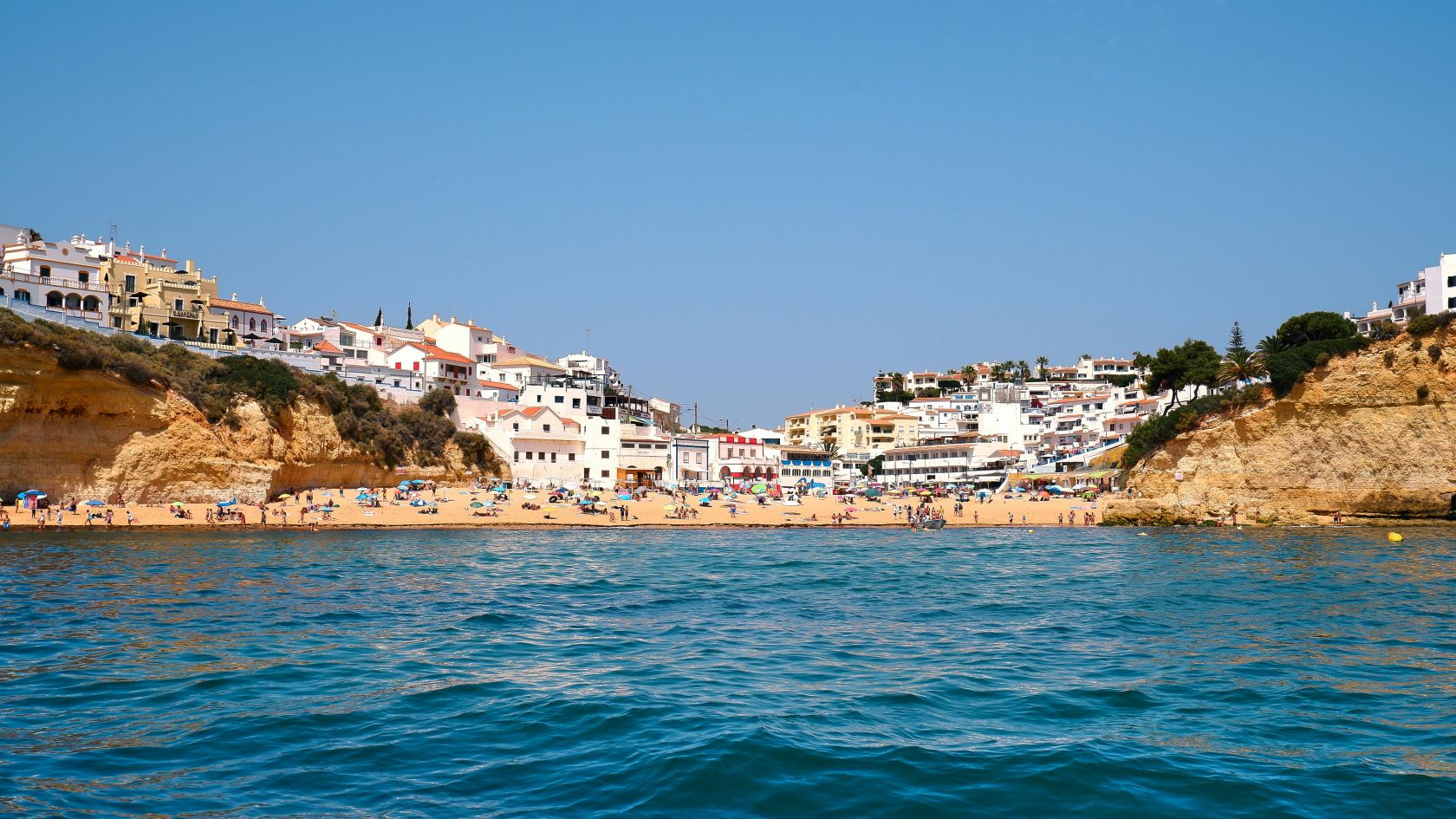
But let’s start with the good bits, because there are plenty. First of all, the weather. Portugal sits in a sort of meteorological sweet spot, where the sun shines roughly 300 days a year. This means that British retirees arrive blinking like freshly released moles. Within weeks, their skin tone changes from milky white to lightly toasted baguette, and they begin saying things like, “Oh, we simply must have our lunch outside.” Yes, outside, in February! Back home, eating outdoors in February means frostbite and a startled pigeon who thinks that old Maggie has finally flipped.
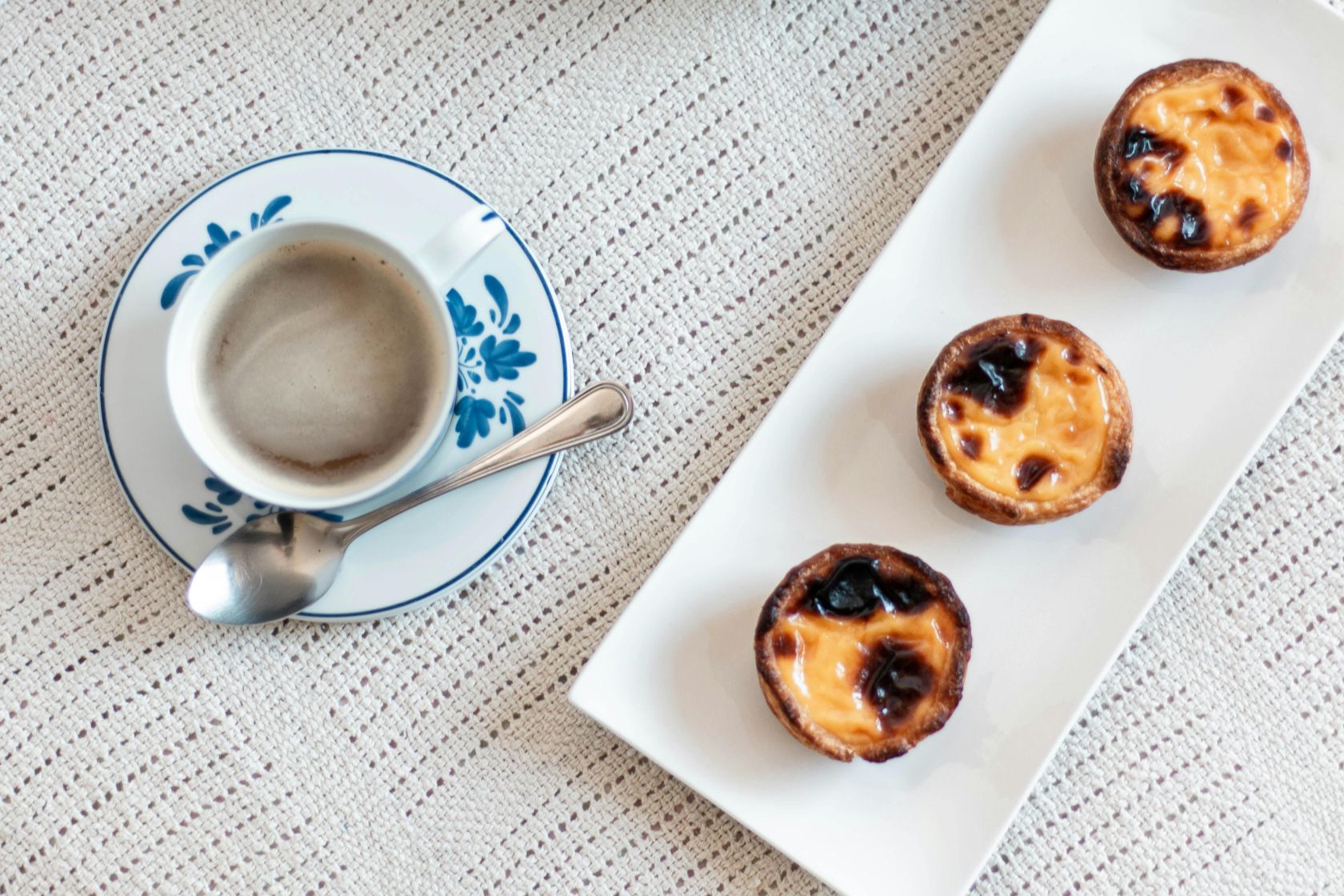
Then, there’s the cost of living. Or at least the perception of markedly lower bills. Retired couples arrive convinced they’ve discovered the financial equivalent of El Dorado. “Look, Sandra!” says Alan, clutching a menu, “Two coffees and a pastel de nata for €2.50!”
This is greeted with the kind of awe usually reserved for lunar landings.
Soon they'll be enthusiastically declaring that their UK pensions will stretch roughly three times further than they did in Croydon. And for a while, this appears to be quite true. Wine seems cheaper than bottled water, and lunch menus offer three whole courses for the price of a limp sandwich at Charnock Richard Services. Property, particularly inland, seems absurdly affordable, which brings us to the houses.
Ah yes! The Portuguese dream property. Estate agents will show you a “charming traditional farmhouse” which is essentially a romantic way of describing a stone ruin with no roof and a goat living in what was once the kitchen. But British retirees love this sort of thing. “We’ll renovate it!” they’ll declare, standing inside what used to be the bathroom in 1873. Soon they’ll be knee-deep in architectural drawings, tile samples and a contractor named João who nods reassuringly while saying the Portuguese equivalent of “maybe.”
Of course, renovation in Portugal operates on a unique timescale known only to philosophers and cathedral builders. A project expected to take three months may, in fact, take somewhere between eight months and the death of the universe. Still, optimism remains high because, crucially, the wine is still just €3 a bottle and it's actually quite drinkable. Thank goodness.
Bureaucracy
What about the lifestyle? As we know, Portugal moves at a pace that makes Britain look like modern-day Tokyo. Shops close for lunch, banks close early, and government offices appear to operate on a schedule that loosely resembles a suggestion. The first time a British expat attempts to “pop into the town hall”, they’ll swiftly discover the following. They need three forms, one of which must be stamped somewhere else, but the office that actually MUST stamp it is closed until Tuesday. This is when many retirees discover the great Portuguese institution known as bureaucracy.
But clerks are unfailingly polite. Smiling even. But, still, the dreaded paperwork must be completed in precisely the correct order, using the correct colour ink, during a specific phase of the moon. For former British professionals, engineers, accountants, or retired RAF wing commanders, this can initially be mildly traumatic. And yet, strangely, they begin to adapt. Because after a few months, something extraordinary happens. The stress evaporates. Suddenly, Geoff isn’t checking the news every ten minutes, Margaret isn’t complaining about the gridlock on the M6, and the biggest decision of the day becomes whether lunch should involve grilled sardines or grilled sea bass. People eventually start walking more. They even talk more just by sitting outside cafés for hours, doing absolutely nothing.
Portugal has become a magnet for expats of every stripe. British, Dutch, German, French, Scandinavian. The job lot. Entire villages now operate in a sort of cheerful linguistic soup where nobody fully understands anyone, but everyone seems to get along quite nicely anyway. Soon, Geoff is playing pétanque with a Belgian man named Luc and a retired Swedish dentist called Ingrid. Margaret has joined a yoga group consisting of twelve nationalities and a Labrador. There are book clubs, walking clubs, wine clubs, and, inevitably, several clubs dedicated solely to complaining about Portuguese bureaucracy.
But, it isn’t all sunshine and the aroma of freshly grilled fish. Naturally, there will be some downsides. The first is distance. Portugal is marvellous, but it is not just down the road from Halesowen. Family birthdays, grandchildren’s school plays, Christmas dinners. Suddenly, these rudimentary family affairs require airports, actual planning and occasionally Ryanair. This will be the moment when Margaret realises that she misses Marks & Spencer more than she’d expected, and Pete realises that Portugal’s curry houses just don't quite cut the mustard.
Weather
What about the heat?
Well, in summer, Portugal doesn't mess about.
Temperatures can easily soar well past 35°C, and the air becomes thick enough to chew. Even the dogs lie in the shade, questioning their life choices. But British retirees initially believe they will enjoy this. Two weeks into a heatwave, they’ll be wandering around the house muttering, “Good Lord, it’s warm.” By August, they will be sitting in front of the air conditioner wearing nothing but shorts and a thousand-yard stare.
And yet, despite all of this, most expats wouldn’t dream of going back.
Because the truth is, life becomes simpler here. It's about morning coffee at the local cafe, it's about fresh bread from the bakery and long lunches that turn into even longer afternoons. Evenings are spent watching the sun sink into the Atlantic while someone nearby grills frango over charcoal.
More than just perfection
Sure, it’s not perfect, but perfection was never the point. The point is waking up and thinking, “Actually… this is rather nice.” Which is why thousands of British couples continue to arrive here every year, armed with property brochures, half-learned Portuguese phrases and the firm belief that they can renovate a 200-year-old farmhouse in just six months.
Some will struggle with the language, some with the paperwork, and some will eventually discover that Portuguese builders operate on a calendar best described as interpretive.
But many will also discover something else entirely.
Sunlight, space and above all: Time. As for the horrible bleedin’ rain? Well? That's now someone else’s problem, isn't it!
 Add as a preferred source on Google






 Portugal Handbook
 English
 Nederlands
 Deutsch
 Français
 Español
 Italiano
 Svenska
 Pусский
 中文
中文 Türkçe
 Português
 Czech
Czech Hungarian
 Polski
 عربي
عربي Suomi
Suomi עִברִית
 Português (Brasil)
Follow us on social media