


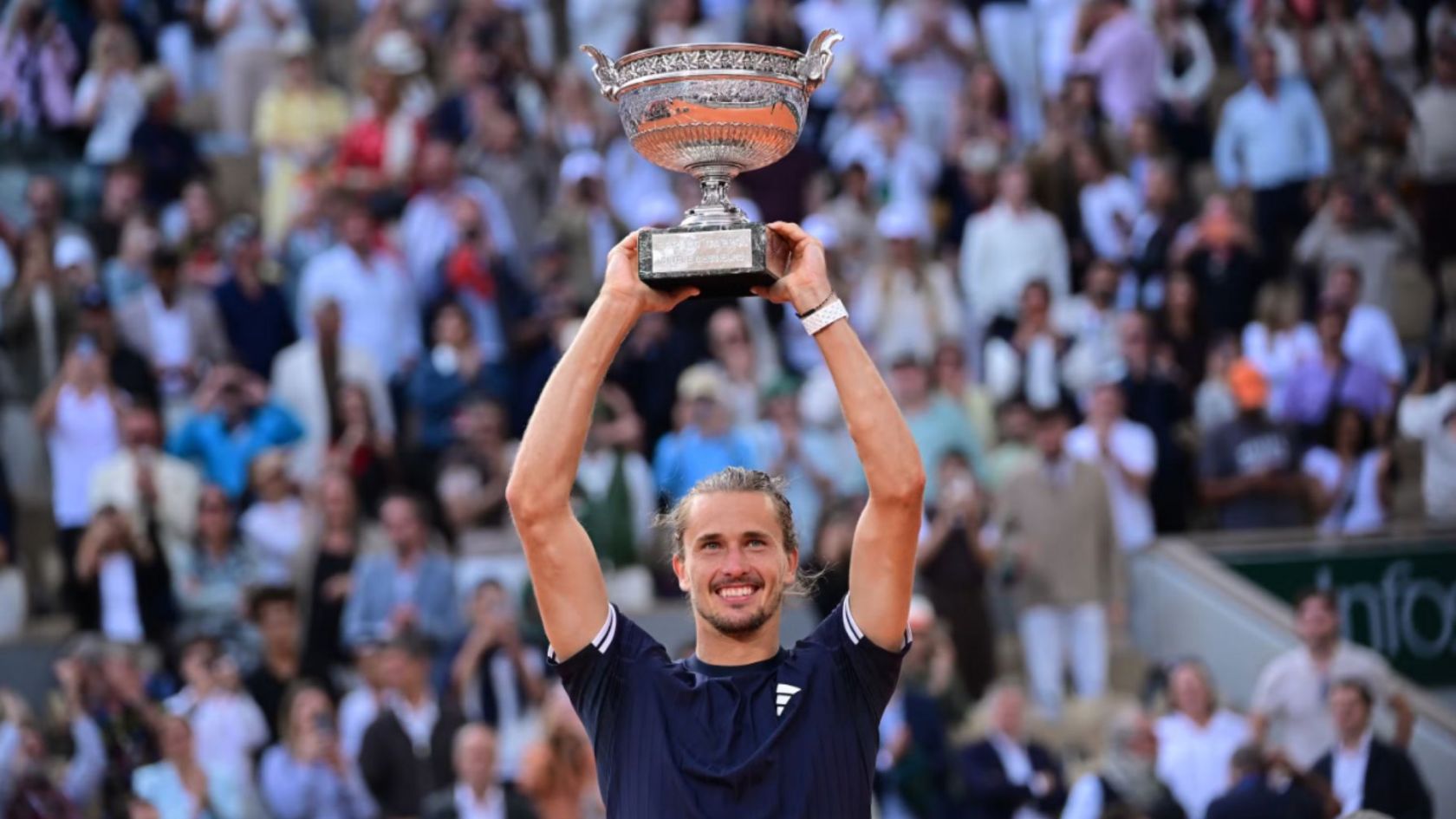
For years, the narrative surrounding Alexander Zverev was one of immense, undeniable talent tragically tethered to Grand Slam heartbreak. The German star possessed a great serve, a lethal two-handed backhand, and the physical endurance required to reach the pinnacle of the sport, yet the ultimate prize always seemed to slip through his fingers on the grandest stages. That narrative was decisively shattered on Sunday afternoon beneath the Parisian sun, as Zverev triumphed at Roland Garros, winning 6-1, 4-6, 6-4, 6-7(5), 6-1, to capture his long-awaited maiden Grand Slam title.
The final was a showcase of pure resilience and tactical maturity. Facing off against a relentless opponent, Flavio Cobolli, Zverev found himself drawn into the kind of gruelling, baseline-to-baseline warfare that has historically tested his mental fortitude. The match stretched deep into a gripping fifth set, oscillating with brutal intensity. But where the Zverev of the past might have blinked, this version stood resolute. He broke serve in the first game of the fifth set and went on to lead 4 games to nil with a two-break advantage.
Champion’s relief
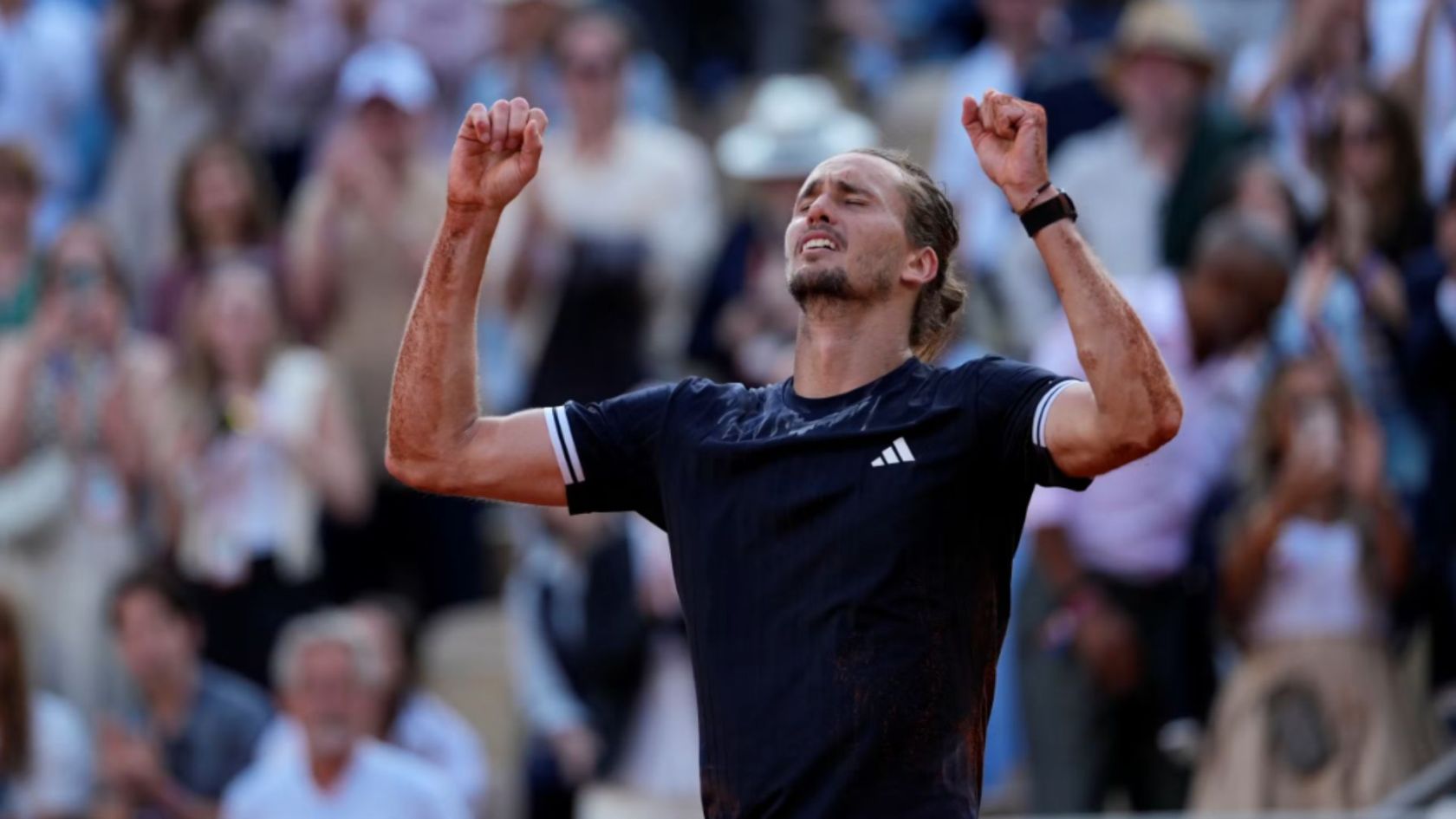
When Cobolli’s last attempt went wide, Zverev didn’t immediately collapse to the clay. Instead, he stood frozen, looking up at his player’s box in sheer disbelief before dropping his racquet. It was a moment of profound emotional release, washing away the ghosts of the 2020 US Open final, where he surrendered a two-set lead, and banishing the lingering trauma of the catastrophic ankle injury he suffered on this exact same court against Rafael Nadal in 2022.
“This court is so special to me in so many ways,” said Zverev. “I had the worst moment of my life on this court. I was laying in that corner over there with seven broken ligaments and two fractured bones. But now, finally, it’s a happy end.”
What to expect next
This triumph in Paris is far more than just a single trophy in a cabinet, as it feels like the breaking of a psychological barrier. At 29 years old, Zverev is still in his athletic prime. For the better part of a decade, the pressure of being the “next big thing” at the end of the ‘Big Three’ era seemed to weigh heavily on his shoulders. With that massive weight finally off his back, the German transitions from a Grand Slam contender to a proven champion.
The tennis landscape is highly competitive, but history shows that for many late-blooming superstars, the first major is often the hardest to secure. With the mental barrier obliterated and his game firing on all cylinders, Zverev’s Parisian breakthrough could very well be the catalyst that ignites a dominant second act to his career. The talent was always there; now, finally, the belief is entirely undeniable.
Looking ahead, the immediate question is how this newfound psychological freedom will translate to the rest of the 2026 season. With the hard-court swing of the US Open looming later this year, a tournament where he famously came within two points of victory in 2020, Zverev has to be taken as a serious contender. Freed from the suffocating pressure of chasing his first Major, his thunderous serve and elite baseline coverage will be twice as lethal now that they are backed by the ultimate self-belief. He is no longer the hunter trying to prove he belongs; he is a Grand Slam champion who knows exactly what it takes to cross the finish line.
Set The Portugal News as your preferred source for news on Google
 Add as a preferred source on Google








 Portugal Handbook
 English
 Nederlands
 Deutsch
 Français
 Español
 Italiano
 Svenska
 Pусский
 中文
中文 Türkçe
 Português
 Czech
Czech Hungarian
 Polski
 عربي
عربي Suomi
Suomi עִברִית
 Português (Brasil)
Follow us on social media