


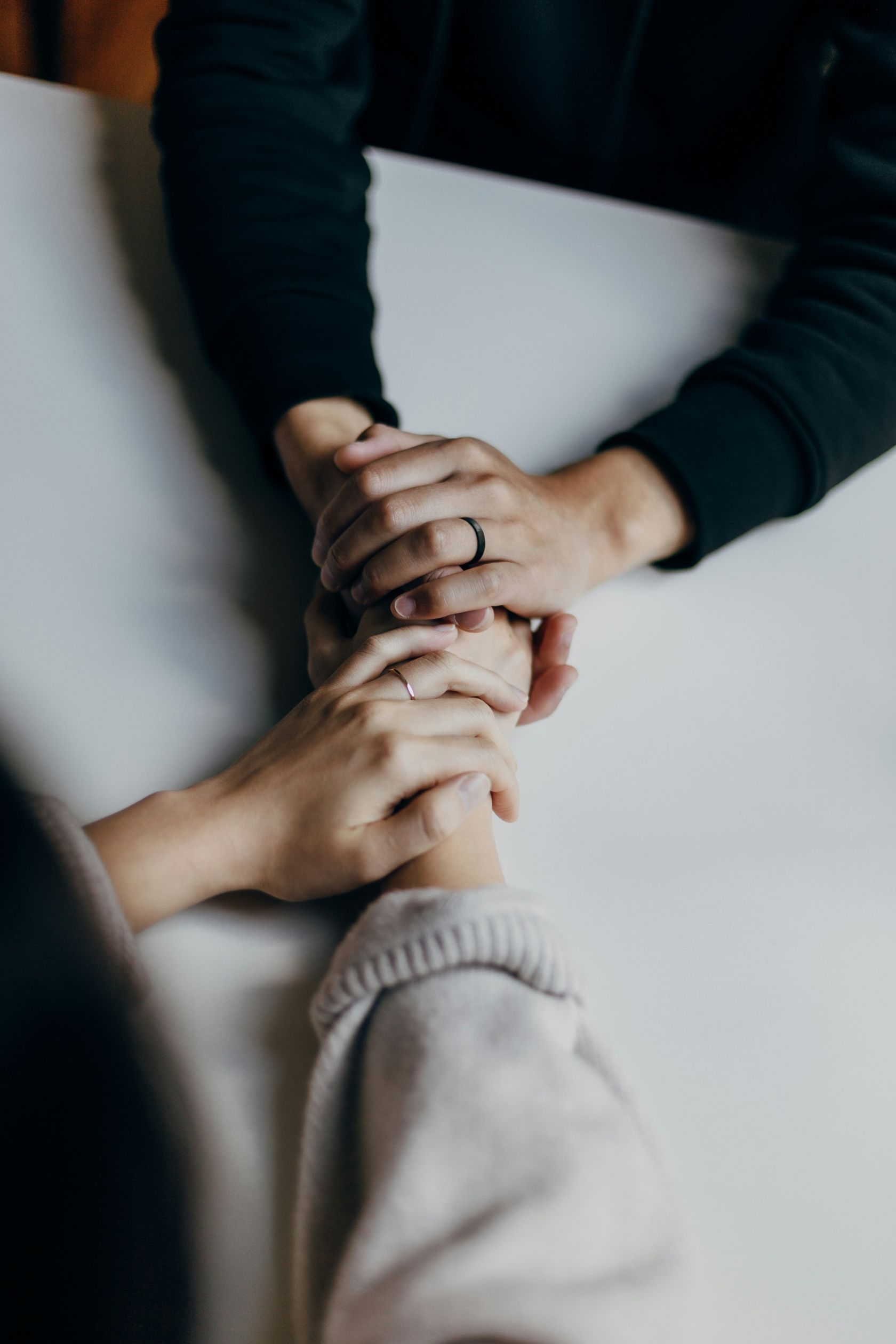
In a press release, the ULS explained that this team, created at the end of May 2021, “has ensured mental health care within the framework of a multidisciplinary intervention that brings specialised care closer to the places where people live, work and interact.”
“This proximity allows us to better understand each user in their family, social and community context, to identify early signs of decompensation and to build support plans more tailored to the real needs of each person,” the ULS assured.
The care provided by the Ourém team (Santarém district) was reinforced in 2022 with home visits, “allowing us to monitor people with greater clinical or social fragility or difficulty moving around, strengthen therapeutic adherence, support families and caregivers, and intervene more promptly in situations of greater risk or vulnerability.”
Since 2021, 278 hospitalisations of users from the municipality have also been recorded under Psychiatry.
In Ourém, this team, which includes psychiatrists, psychologists, nurses, occupational therapists, social workers, and other professionals, operates five days a week.
“The support includes the definition of an individual care plan and the assignment of a reference therapist, allowing for a closer, continuous response tailored to the needs of each user.”
The ULS clarified that the intervention with users "is developed in coordination with primary health care in Ourém and with local institutions, the municipality, social structures and community projects".
“This collaboration allows us to respond not only to clinical needs, but also to the social, family, and community factors that influence mental health, within a framework of networking and shared responsibility.”
Quoted in the statement, the coordinator of the Community Mental Health Team for the Adult Population of Ourém, Jorge Carvalheiro, highlighted that “these five years show that mental health cannot be limited to the hospital,” as many of the people assisted “need not only conventional clinical care, but also continuity, presence, a therapeutic relationship, and coordination with family and community.”
When questioned by the Lusa news agency about the work in this field resulting from the impact of Kristin's depression, which severely affected the municipality in January, Jorge Carvalheiro stated that the team “usually has a very close connection with the Social Action structures” of the City Council.
“What we did was respond, as quickly as possible, to all the referrals we received” within the framework of the Social Radar for vulnerable situations.
According to the psychiatrist, “there were one or two cases of people who had mental illness and were not being treated, and who then had their homes severely affected, and at that time it was identified that they had a pathology,” and they began receiving support.
There were also cases of people who “already have some predisposition” and, after the storm, became much more anxious and very afraid that things could happen again.”
“It is important to mention the resilience we felt from the majority of the people of Ourém, the mutual support. They helped each other put up the roof tiles and the tarps. This helped them not to feel helpless,” observed Jorge Carvalheiro.
The Social Radar aims to identify and support people in vulnerable situations.
Ourém is part of the Leiria Region Local Health Unit (ULS), except for mental health. In this area, it remains part of the Médio Tejo Local Health Unit, the former Hospital Centre to which the municipality belonged.
Set The Portugal News as your preferred source for news on Google
 Add as a preferred source on Google









 Portugal Handbook
 English
 Nederlands
 Deutsch
 Français
 Español
 Italiano
 Svenska
 Pусский
 中文
中文 Türkçe
 Português
 Czech
Czech Hungarian
 Polski
 عربي
عربي Suomi
Suomi עִברִית
 Português (Brasil)
Follow us on social media