


A Portuguese garden in the summer has a lot of colours in the spring when everything is blooming, with oleander offering hues of white and pink, and hibiscus with delicate red, pink, yellow or peach blooms. Geraniums are typical of the Iberian Peninsula, where their vibrant colours in pots or window boxes, and are a staple of Mediterranean living.
But as the summer wears on and the heat becomes intense, many of these flowers drop their blooms, and we are left with nothing but green. No colour left, apart from the fallen faded blooms, just asking to be swept up!
So we need some foliage that has colour, other than green
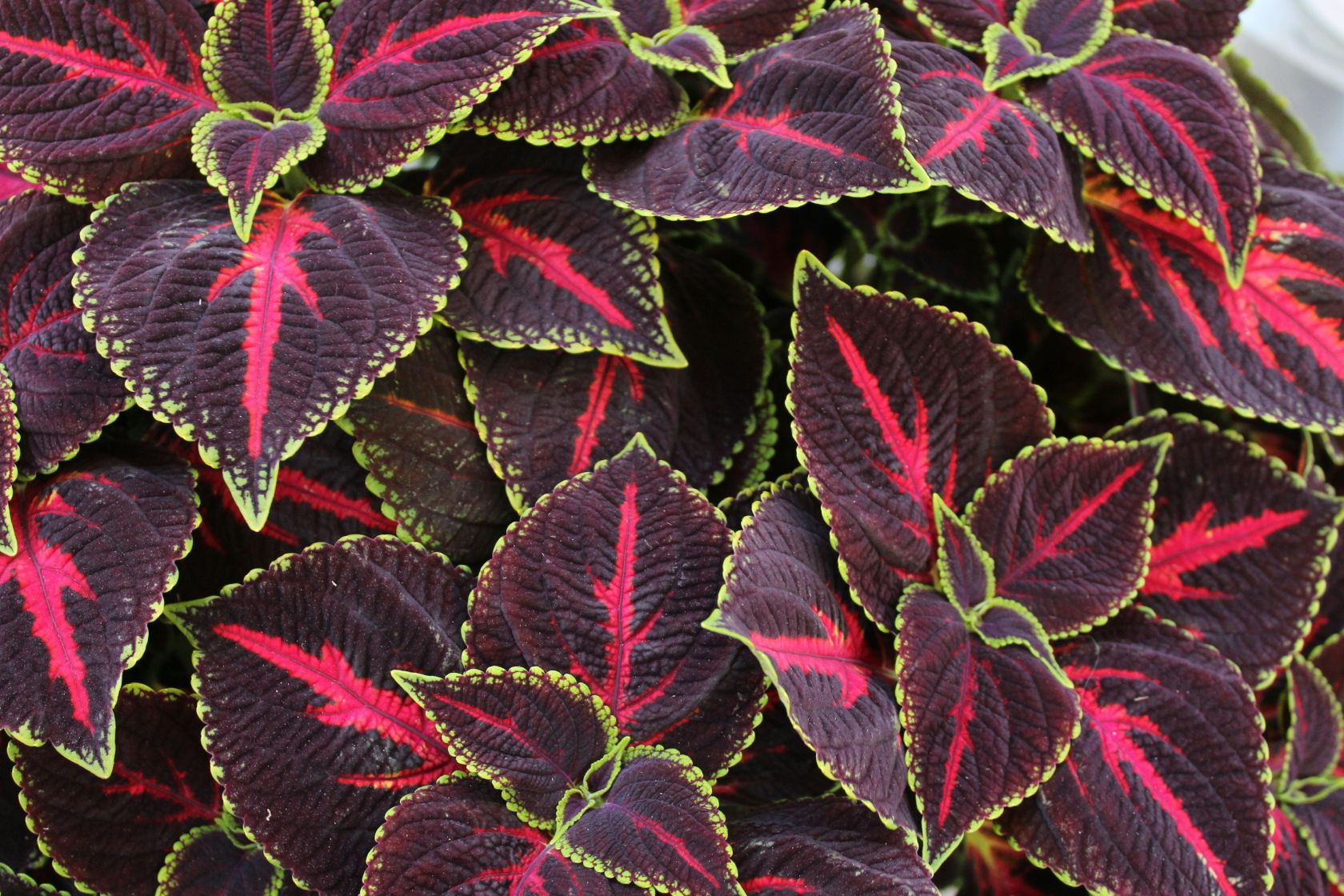
Coleus (Plectranthus scutellarioides) is a great way to add some colour to flowerbeds or pots on a terrace or balcony. The leaves generally are purple edged in green, while other varieties can add white or even blue. Rainbow Dragon is a stunning variety, the leaves featuring bright stripes of green, cream, yellow, pink or red. Pretty much all species do well in Portugal with our mild coastal winters and warm, bright summers that mimic the tropical environments these plants originate from. In Northern Portugal they may do better in more protected shady garden beds in pots where they can be easily moved around.
Dragon’s blood sedum is a creeping succulent with foliage that looks almost like flowers. Sedum spurium is a hardy groundcover, with vibrant green leaves with burgundy edges that turn a deep red in the autumn, coupled with clusters of starry, red flowers in summer. It is drought-tolerant and even pest-resistant.
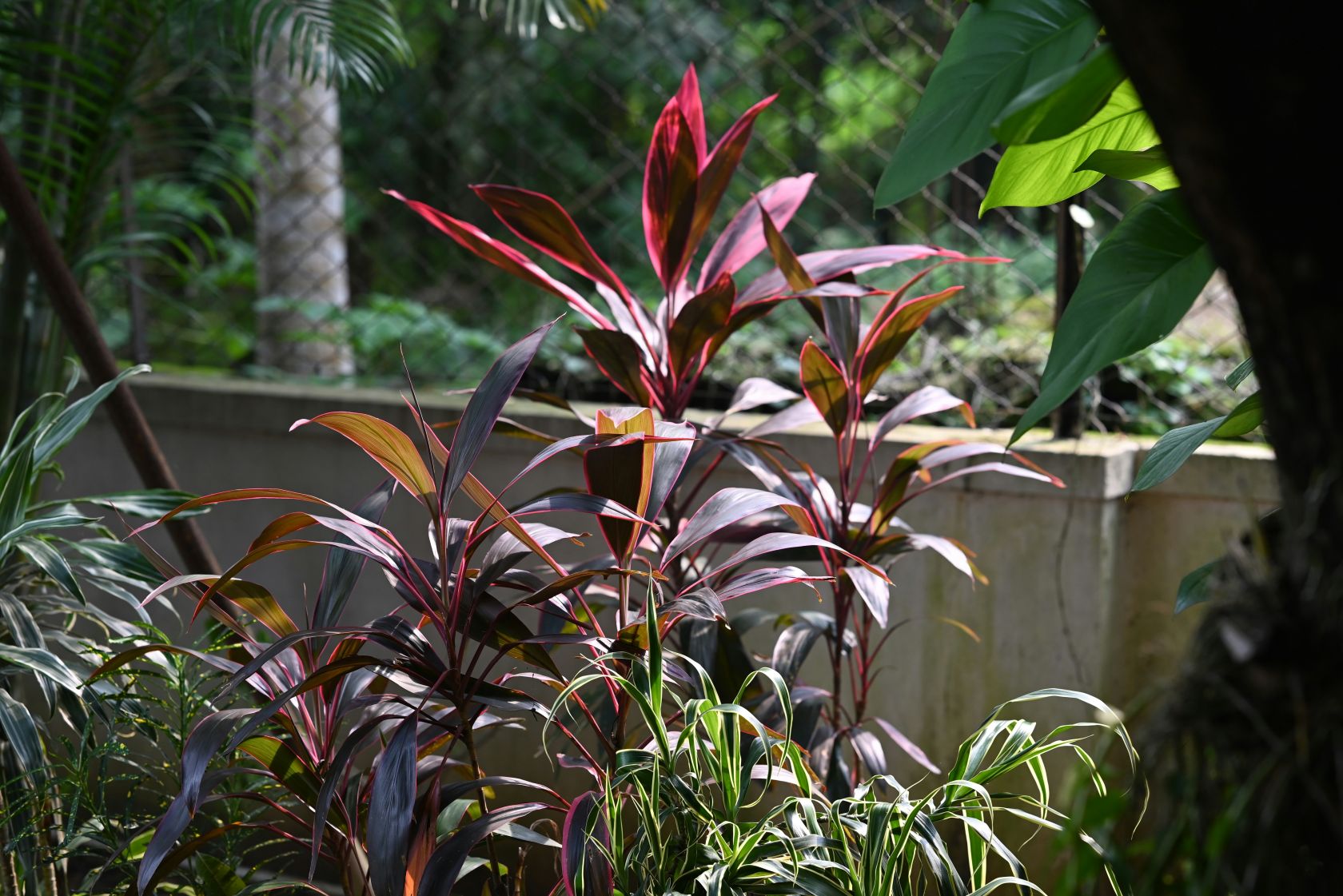
Cordylines have several varieties prized for their colourful leaves, with many varieties looking like ornamental grasses. They thrive in direct light or partial shade, and do well in landscapes or in containers.
Flowers that don’t fade
Moving away from foliage, Lantana will give a colourful burst of delicate flowers, and will continue to bloom whatever the heat. Described as ‘bullet-proof’, they really begin their explosive growth when the soil is thoroughly warm, doing well in blazing sunlight, and can easily withstand dry conditions. But it has a dark side too - while lantana is celebrated for its bright, continuous blooms and ability to attract pollinators, its most significant drawback is that they are highly toxic to humans and animals, on top of being highly invasive, and are best kept in a separate bed to contain it, as it will spread very easily through the vast number of berries it will produce. It isn’t suitable for frosty areas, so may not do so well in the north or higher regions. You can savagely prune them back in the autumn to just a few inches in height, and they will still return again in the spring.
Although most Salvias do not bloom continuously all year round, they will typically bloom in abundance from late spring through autumn, though some specific varieties can bloom into winter depending on the climate. If you ‘deadhead’ the flower spikes and cut them back to just above the first set of new leaves, you will encourage fresh buds to keep them flourishing and providing colour.
The gentle purple lavender plants thrive in Portugal, as the warm climate, dry soil, and high sunshine level creates perfect growing conditions for this flower. It flourishes across the country, particularly in regions like the Alentejo and the Algarve, as long as it is planted in well-drained soil.
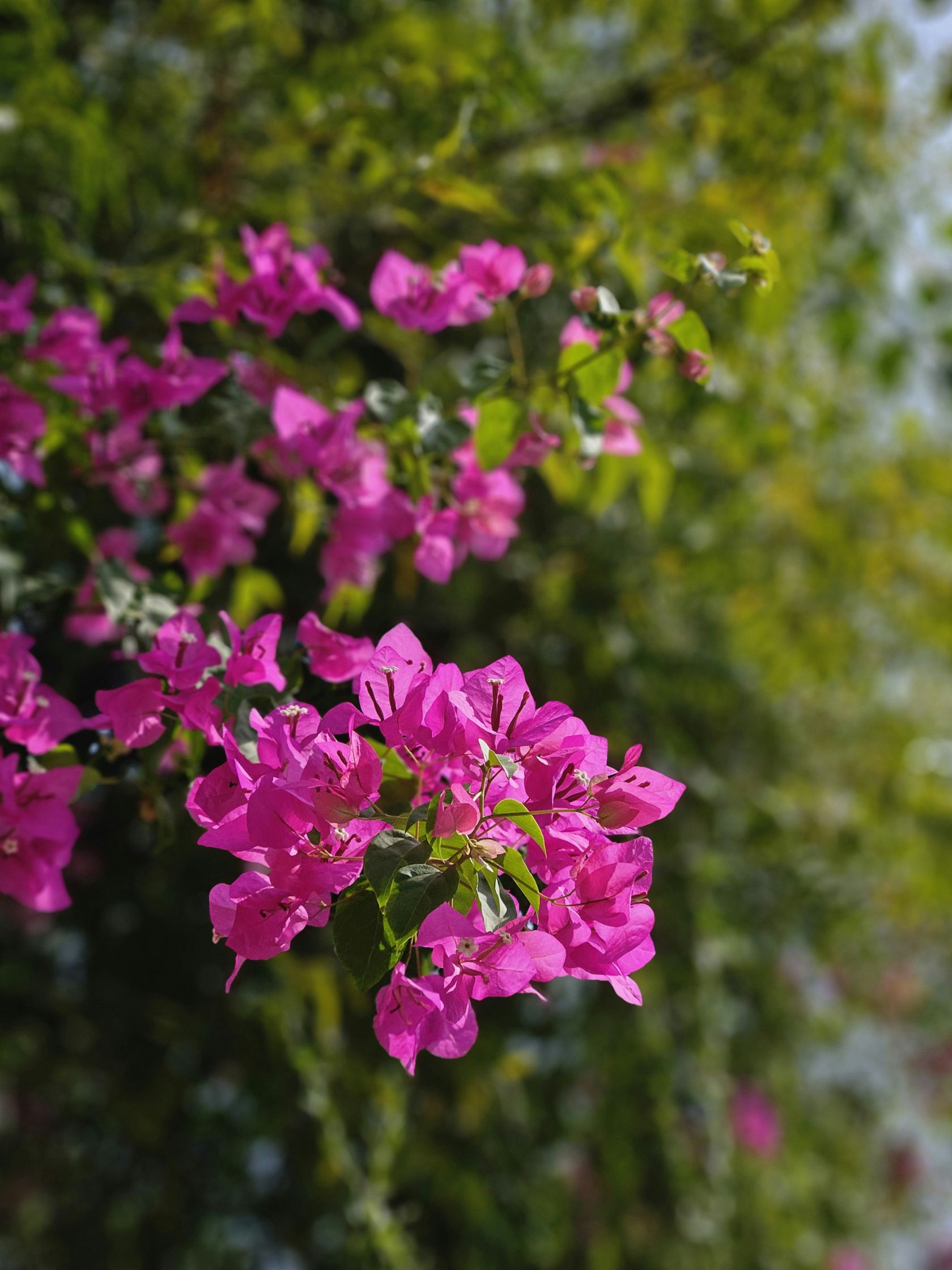
Lastly, Bougainvillea gives good colour and will often have a show of flowers nearly all year round.
If you have young children, the sunflower gives giant vibrant yellow blooms, although they are short-lived. Young sunflowers track the sun from east to west throughout the day, and eventually remain facing east to capture morning warmth. The reason they are good for children is that their seeds are easy to handle, and their growth is rapid, sprouting within 7 to 10 days of planting, which can keep a child engaged in its growth, and they quickly grow taller than the children themselves! The seeds can be harvested when the plant dies off, which can become a planting project for the following year.
 Add as a preferred source on Google







 Portugal Handbook
 English
 Nederlands
 Deutsch
 Français
 Español
 Italiano
 Svenska
 Pусский
 中文
中文 Türkçe
 Português
 Czech
Czech Hungarian
 Polski
 عربي
عربي Suomi
Suomi עִברִית
 Português (Brasil)
Follow us on social media